Open your last investor update. Time yourself reading it the way an investor actually does: fast, on a phone, between two other emails. If you made it past the first three lines before your eyes started skipping ahead, congratulations. Most founders don’t.
Here’s the uncomfortable part. That skim isn’t rude. It’s rational. An active investor gets updates from 20 to 40 portfolio companies a month. Nobody is sitting down with a coffee to savor your prose. They are scanning for three things: is this company going up, down, or sideways, and do they need to do anything about it. If your update doesn’t answer that in the first eight seconds, it gets archived, and so does the goodwill that comes from a reply.
This matters more than it sounds like it should. The founders who raise their next round faster aren’t always the ones with better numbers. They’re often the ones whose updates investors actually remember reading.

Why the long, thoughtful update fails
Most first-time founders write updates like a diary entry. A recap of the month, some context, a few wins woven into paragraphs, maybe a candid reflection near the end. It feels honest and it feels thorough, and that’s exactly the problem. Thoroughness is for board decks. Updates need to be built for skimming, not reading.
Three specific mistakes show up constantly:
The good news is buried under the setup. Founders explain the backstory before getting to the number. Investors don’t need the backstory in an email. They need the number first, and the backstory only if they ask.
There’s no clear ask. An update that just reports status gives an investor nothing to do. The ones that get replies almost always end with a specific, low-effort request: an intro, a piece of advice, a warm lead. Investors like being useful. Give them a way to be.
Everything is written the same size. Revenue growth and a minor hire announcement get the same paragraph length. When nothing is prioritized, the reader has to do the prioritizing themselves, and most won’t bother.
The format that actually gets read
The fix isn’t writing less thoughtfully. It’s front-loading the structure so the important part survives a skim.
One-line headline. Before anything else, one sentence that states the trajectory. “MRR up 14% to $42K, on track for our Series A conversation in Q1.” That’s the whole update for a reader who only has eight seconds. Everything after this is for the reader who has more time.
Three numbers, not paragraphs. Revenue, burn or runway, and one metric specific to your business. Bullet them. Don’t narrate them.
Wins and misses, kept honest. One or two real wins, and at least one real miss or risk. Investors trust founders who report the miss without spin far more than founders who only ever report good news. A too-clean update reads as a filtered one.
The ask, stated plainly. Not “any intros welcome,” which nobody acts on. Something specific: “Looking for a warm intro to someone building supply chain tooling at a Series B or later company.” Specific asks get forwarded. Vague ones get skipped.
A close that respects their time. No need for a sign-off paragraph. End on the ask or a single forward-looking line.
That’s it. Five parts, most of it in ten lines or less before you get to any detail. A founder running four ventures at once, juggling a full-time offer alongside a startup, doesn’t have time to write a polished essay every month either. This format takes less time to write than the diary-entry version, and it gets read more.
What this actually buys you
Here’s the thing about investor updates nobody says out loud: they’re not really about reporting the past month. They’re about staying visible for the next one. The founders who raise their next round with less friction usually aren’t the ones with the cleanest metrics. They’re the ones whose updates got opened, read, and remembered, month after month, so that when they finally needed something, the ask landed on someone who already knew exactly where things stood. An update that gets skimmed and archived does nothing for you. An update that gets a reply is a relationship staying warm without you having to work for it every time.
So the next time you sit down to write one, don’t ask “what happened this month.” Ask “what does this person need to see in the first eight seconds, and what do I need from them in return.” That shift alone will do more for your next fundraise than another quarter of grinding on the product.
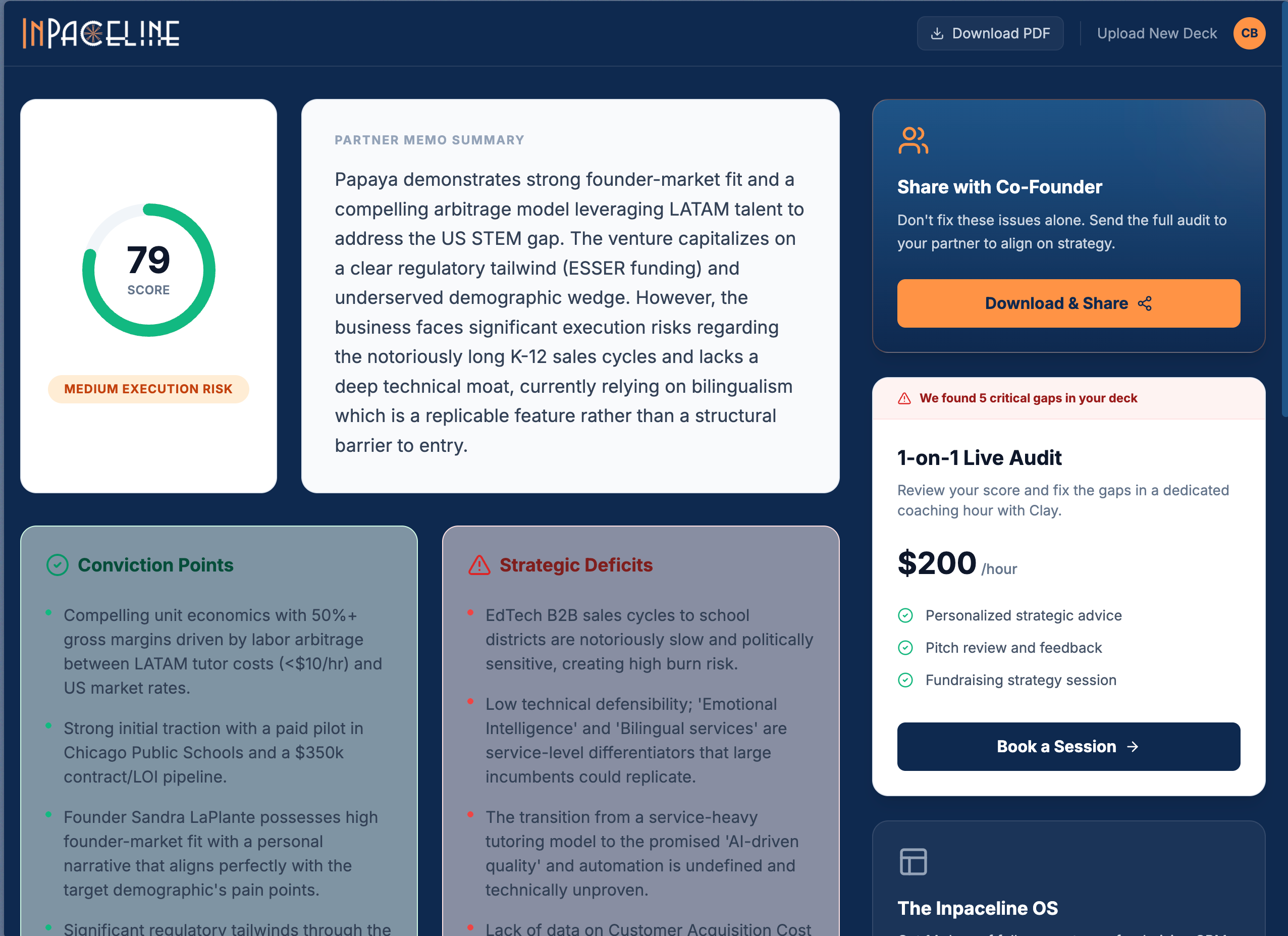
Writing an update like this once is easy. Writing it every single month, on top of building the actual company, is where most founders quietly give up and go back to the diary-entry version. That’s the gap InpacelineOS is built to close. It pulls your revenue, burn, and core metrics into one place automatically, so putting together a real update takes ten minutes instead of a Sunday evening you didn’t have to spare. If digging through spreadsheets to remember what actually happened this month is eating time you’d rather spend on the business itself, that’s the exact problem worth handing off.