
What Does a Chief of Staff Actually Do for a Startup?
Quick Answer
A startup chief of staff turns a founder’s priorities, decisions, and meetings into coordinated execution across the company. The role manages the operating rhythm around the CEO, but it does not replace a COO, own a functional department, or handle purely personal tasks.
Introduction
A chief of staff gives a startup founder leverage by protecting attention, clarifying decisions, and ensuring commitments do not disappear after a meeting. In practice, the role supports the CEO strategically, converting scattered conversations into owners, deadlines, and visible progress. The scope changes sharply as a company grows, because informal coordination can work with five people but breaks down when teams and priorities multiply. A missed handoff between product, sales, and finance can quickly become a customer, runway, or execution problem.
Key Takeaways:
A chief of staff converts founder priorities into coordinated weekly action.
The role owns follow-through, not every department’s functional work.
Headcount determines whether the role is informal support or structured operating coordination.

Chief of Staff Responsibilities for Founders
The core chief of staff job description for founders is simple: create enough structure around the founder that the company can execute without constant re-explanation. The work sits between leadership priorities and the company's daily operations, making sure the right people have context, decisions, and next steps.
What does a chief of staff do with a founder’s calendar and priorities?
A chief of staff manages the founder’s attention as an operating resource, not merely as a calendar. They review incoming requests, identify which meetings require the founder, prepare decision context in advance, and reserve time for work that directly affects customers, revenue, product, fundraising, or critical team issues.
Meeting filter: Route requests to the appropriate leader or decline low-value sessions.
Decision briefs: Summarize choices, tradeoffs, context, and recommended next actions.
Priority review: Reconcile weekly commitments against the company’s current objectives.
Agenda design: Set outcomes, attendees, and decision owners before leadership meetings.
Time protection: Preserve focused blocks for high-consequence founder work.
What does a chief of staff do in cross-team coordination?
A chief of staff coordinates work that crosses functions but lacks a single natural owner. For example, a product launch may require product readiness, customer messaging, sales enablement, financial approval, and a support plan, while the chief of staff tracks dependencies and escalates blocked decisions. This supports systems that scale with the company without taking over the specialized work of functional leaders.
The role also acts as a context filter between the founder and the team. Instead of every issue reaching the CEO as an unstructured interruption, the chief of staff gathers the facts, identifies who can decide, and brings forward only the items that require executive judgment. A standard list of chief of staff duties likewise centers on coordinating executive priorities and informing business decisions.[1]
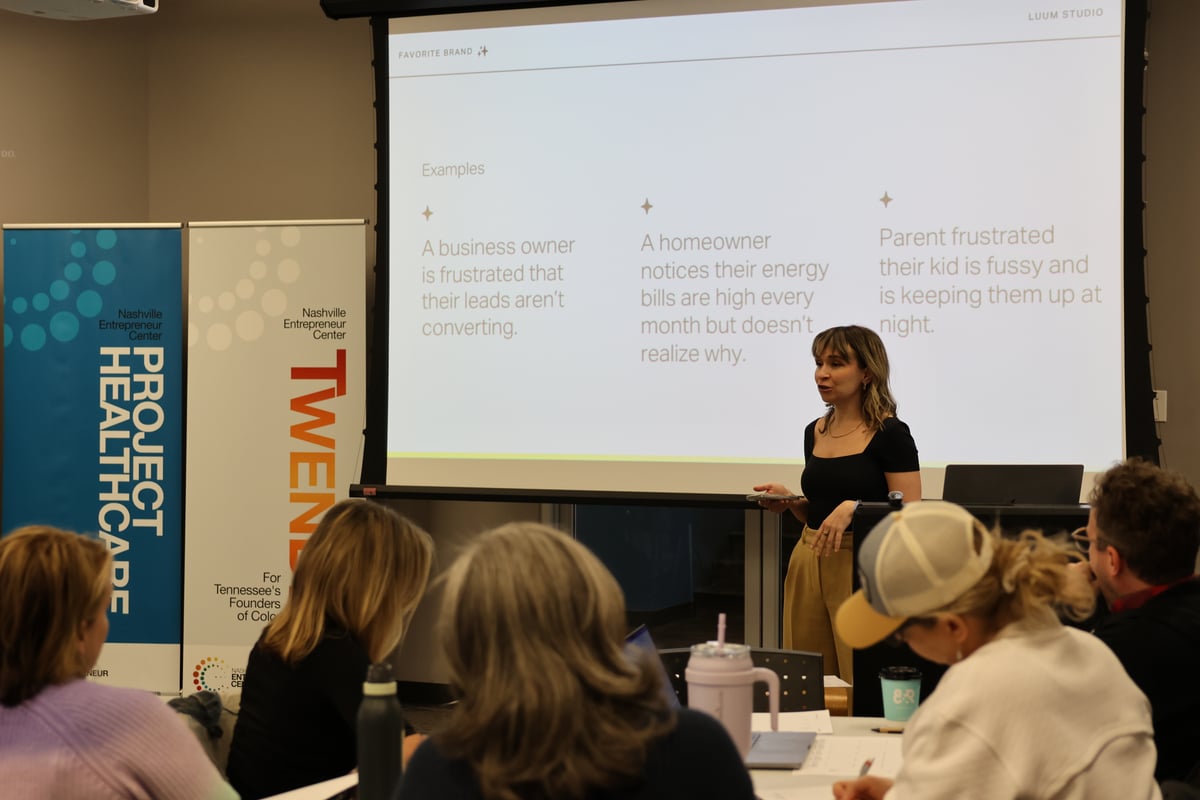
How the Role Changes From Five to Fifty People
At five people, the chief of staff function is often lightweight and highly tactical. At fifty people, it becomes a repeatable operating layer that helps leadership see competing priorities, unresolved decisions, and commitments across departments before they become expensive surprises.
What changes as the startup grows?
In a five-person company, the founder may still hear most important information directly and resolve issues in real time. The chief of staff may prepare investor updates, organize a weekly priorities list, capture decisions from customer calls, and support founder time management when urgent work competes with strategic work.
In a fifty-person company, communication travels through managers, decisions affect several teams, and leaders need a shared cadence. The chief of staff may run leadership meeting preparation, maintain an action register, consolidate operating updates, and identify recurring friction across functions. The common trigger, as one startup chief of staff guide puts it, is the point where the business has become too complex for founder-only coordination.[2]
Operating area | Five-person startup | Fifty-person company |
|---|---|---|
Priority visibility | Founder discussions and a short weekly list | Leadership priorities tracked across teams |
Meeting follow-through | Capture a few immediate next steps | Maintain owners, dependencies, and escalation paths |
Decision preparation | Collect basic context before a founder call | Prepare cross-functional options for leadership decisions |
Communication flow | Direct conversations among most employees | Structured updates through managers and leadership forums |
The key shift is not status or title. It is the volume of coordination needed to keep decisions connected to execution after direct, informal communication stops being enough. For founders deciding whether operating ownership should remain with a chief of staff or move to a dedicated executive, fractional COO services offer a useful comparison.
How does a chief of staff maintain follow-through?
A chief of staff turns meeting language into an execution record. After a leadership meeting, they document the decision, assign an accountable owner, identify dependent work, set the next review point, and surface unresolved questions before they become silent delays. This is where strategic decision-making becomes operational rather than theoretical.
What a Chief of Staff Is Not
A chief of staff is neither an executive assistant with a larger title nor a substitute for a chief operating officer. The difference is defined by the type of work owned: the chief of staff advances the founder’s agenda through coordination and decision support, while other roles own administration or enterprise operations.
Chief of staff vs executive assistant
The distinction between a chief of staff and an executive assistant is purpose, not seniority. An executive assistant commonly manages scheduling, travel, communications logistics, and administrative details. A chief of staff may work closely with those tasks, but uses the calendar to shape priorities, prepare decisions, coordinate leaders, and track whether commitments were completed.
Strong organizations can use both roles together. A chief of staff can work alongside executive assistants and project managers, while keeping the founder’s office aligned with company-level priorities. Some companies also treat the position as a two- to three-year development track because it exposes the role holder to broad organizational work, as noted in a chief of staff career guide.[3]
Chief of staff vs chief operating officer
The distinction between a chief of staff and a chief operating officer is ownership. A COO generally owns operating systems, execution performance, and often leaders or teams, whereas a chief of staff helps the CEO and leadership group coordinate decisions across those systems. A chief of staff may identify an operational problem, convene the right people, and track the resolution, but they do not automatically become the accountable executive for the function.
InPaceline’s AI-powered virtual C-suite can help founders pressure-test operating questions on demand, but it does not replace the human coordination, judgment, and relationship work that a chief of staff performs inside a team. Founders should define decision rights clearly so this role strengthens accountability instead of creating a second, unclear management layer.
Conclusion
A startup chief of staff makes execution more reliable by organizing founder priorities, improving cross-team coordination, and maintaining follow-through on decisions. The role becomes more structured as headcount rises, but the central job remains the same: make sure important work has context, ownership, and a visible path forward. It is neither a personal assistant role nor a COO role under a different title. For founders building a clearer operating cadence, InPaceline provides frameworks and tools to support disciplined leadership coordination.
Explore founder operating tools
Frequently Asked Questions (FAQs)
What does a chief of staff do for a startup founder?
A chief of staff for a startup founder organizes priorities, prepares decision context, coordinates work across teams, and tracks commitments so the founder can focus attention on the highest-consequence issues rather than repeatedly chasing updates or clarifying prior decisions.
What are the key duties of a startup chief of staff?
The key duties of a startup chief of staff include priority management, meeting preparation, cross-functional coordination, decision documentation, action tracking, leadership communication, and escalation of blocked work that requires a founder or executive decision.
What is the difference between a chief of staff and a project manager?
The difference between a chief of staff and a project manager is that a project manager usually delivers a defined initiative, while a chief of staff coordinates the executive agenda and unresolved priorities that can span many initiatives and departments.
Is a chief of staff necessary for a seed-stage startup?
A chief of staff is not automatically necessary for a seed-stage startup because a small team can often coordinate directly, but the function becomes valuable when founder decisions, external commitments, and internal priorities begin to compete for attention.
What skills should a startup chief of staff possess?
A startup chief of staff should possess strong written communication, discretion, structured thinking, project coordination, judgment under ambiguity, meeting discipline, and the ability to turn broad leadership direction into clear work for accountable owners.
How does a chief of staff assist with VC investor relations?
A chief of staff assists with VC investor relations by organizing investor updates, preparing meeting briefs, maintaining follow-up records, gathering internal metrics and narrative inputs, and ensuring commitments made to investors receive timely internal attention.
Sources
- Chief of staff duties — indeed.com ↩
- Startup chief of staff guide — underdog.io ↩
- Chief of staff career guide — jobdescription.org ↩