
How to Build a Warm Intro Pipeline Without a VC Network
Quick Answer
You can build a warm intro pipeline without a pre-existing VC network by identifying relevant investors, mapping credible connectors, earning familiarity through useful interactions, and making tightly scoped introduction requests. Venture capital fundraising becomes more manageable when every relationship and follow-up lives in one operating system rather than in scattered notes and inbox threads.
Introduction
Warm introductions to investors are built, not inherited. First-time founders can create them by targeting the right people around an investor, including portfolio founders, operators, advisors, and non-competitive investors, then giving those people enough context to make a credible connection. The goal is not to collect names. It is to create a repeatable path from research to relationship to a qualified fundraising conversation, even when you are building outside traditional hubs.
Key Takeaways:
Start with investor fit before asking anyone for an introduction.
Portfolio founders often create the most credible investor pathways.
Track every contact, signal, request, and follow-up in one system.
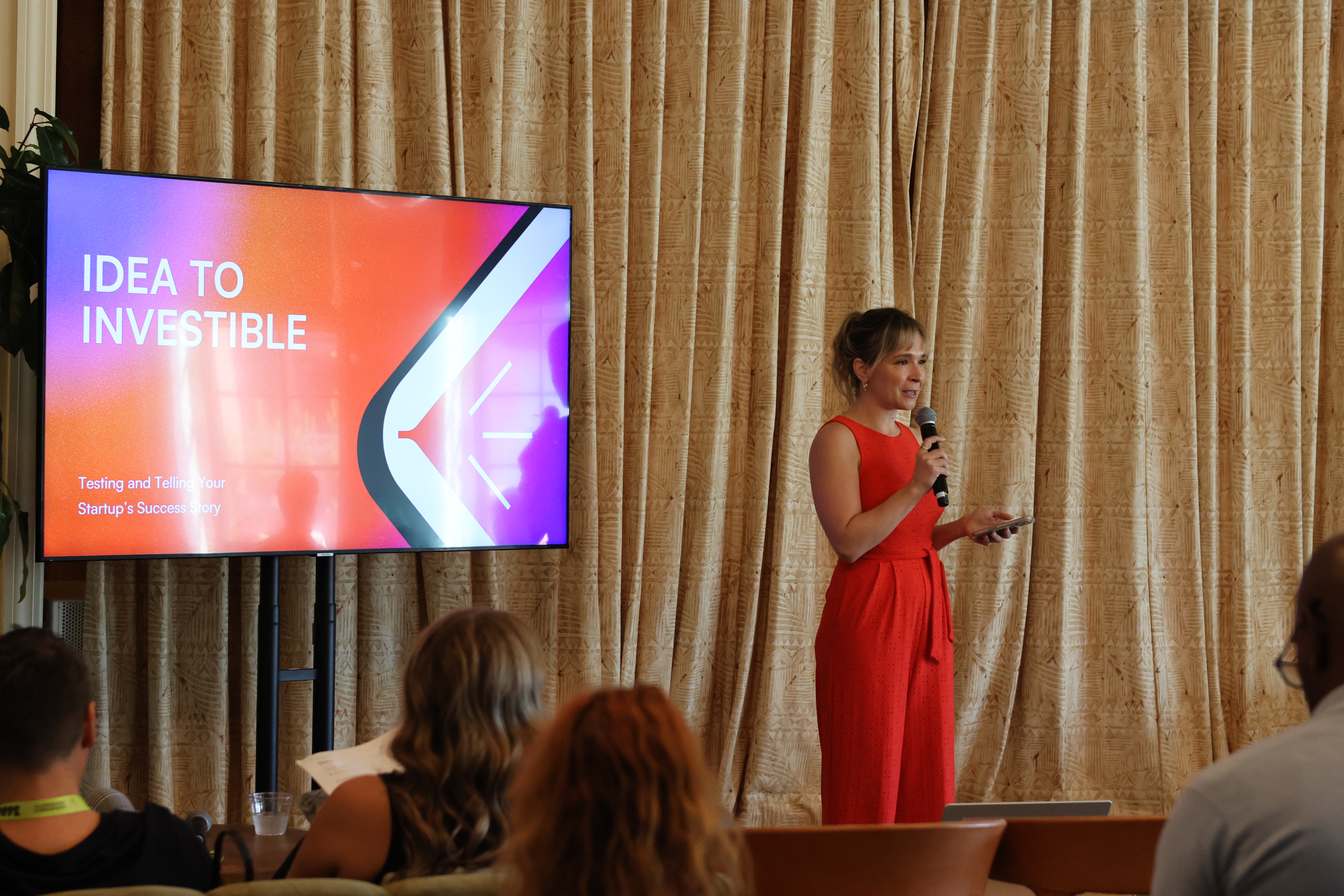
How to Build Venture Capital Relationships Before You Need Venture Capital
Fundraising works better when relationship-building starts before a formal raise. Investors are more likely to engage when they can quickly understand your market, progress, and reason for contacting them, so build a focused list before sending requests. A disciplined process for building investor connections turns unfamiliar names into reachable people through shared context and consistent execution.
Define the investor profile and connector map
Start with a narrow investor profile: stage, sector, geography, check size, and portfolio relevance. Then identify the people most likely to know each target investor well enough to make a meaningful request. The strongest connector is rarely the person with the largest social following. It is the person whose reputation makes the investor pay attention.
Portfolio founder: Ask founders backed by your target investor.
Operator: Find executives with relevant sector relationships.
Advisor: Prioritize advisors with direct investor credibility.
Peer founder: Trade introductions only after confirming fit.
Event host: Build rapport with ecosystem organizers.
Prioritize introducers by trust, not proximity
Portfolio founder introductions reportedly convert at a meaningfully higher rate than introductions from angels and advisors. That is why a portfolio map should sit beside your target list: examine each investor’s existing companies, identify founders whose work overlaps with yours, and approach them with evidence that you understand their business before making an ask. An investor introduction request is more credible when the connector can clearly explain why the conversation belongs on the investor’s calendar.
Ask for introductions from investors one stage before or after your current raise, or from same-stage investors who are non-competitive. That approach reduces conflicts and gives the introducer a logical reason to connect two companies without creating portfolio tension.

Build an Investor CRM for Startups That Produces Introductions
An investor CRM for startups is not just a contact list. It is a decision log that tells you who matters, what happened last, who can connect you, and when the next action is due. Without that structure, founders repeat outreach, lose context, and ask the same connector for help at the wrong time.
Create a pipeline with clear operating stages
Use stages that reflect actual relationship progress: researched, qualified, connector identified, relationship started, introduction requested, introduction made, meeting scheduled, follow-up due, and passed. Every record should include investment thesis, relevant portfolio companies, source of connection, last interaction, next step, and a short note on why your company fits.
A database of potential investors becomes more useful when it includes relationship intelligence instead of only investor names. InPaceline’s Fundraising Command Center combines a vetted investor list with an investor CRM, communication tools, and an investor FAQ database, which helps founders keep research and outreach connected rather than rebuilding the same context across multiple tools.
Write the introduction request your connector can forward
Make the request easy to send unchanged. Include one sentence on what you build, one sentence on traction or a concrete milestone, one sentence explaining the investor fit, and a short forwardable blurb. Do not send a broad request for “any investors you know.” A connector needs enough specificity to protect their own credibility.
Use a investor outreach strategy that gives each request a clear purpose. For example, ask a portfolio founder for an introduction only after you can explain the portfolio overlap, the investor’s thesis, and the exact round you are preparing to raise.
Turn Cold Outreach Into a Warm Relationship Process
Cold outreach still has a role, but it should create familiarity and connectors rather than serve as your entire fundraising plan. Investors routinely receive hundreds of cold pitches a month, and warm introductions consistently earn higher response rates than cold outreach. The practical lesson is simple: use cold messages to earn a second conversation, a referral, or permission to send an update.
Use a cold email framework for investor outreach
Keep a cold message short enough to scan and specific enough to verify. Open with the company and customer problem, state one meaningful proof point, explain why the investor is relevant, and ask for a limited next step. A strong cold email framework avoids exaggerated claims and gives the recipient a reason to respond even if they are not the eventual investor.
Do not use cold outreach as a disguised mass campaign. Personalize the thesis match, reference a relevant portfolio pattern or public perspective, and send updates only when there is material progress. If an investor declines, thank them, ask whether they know a more relevant person, and keep the relationship open through occasional milestone updates.
Build visibility through useful participation
Public activity works when it demonstrates judgment, not when it merely announces that you are fundraising. Share a customer insight, publish a concise market observation, offer feedback to another founder, or participate in a focused founder event where the same people appear repeatedly. In Nashville, the Nashville Fundraising Bootcamp is a two-day program for Tennessee startups learning to raise capital, offering hands-on training in pitch decks, financial projections, and valuation models.
For startup founders in Nashville, TN, local activity should support a national investor strategy, not replace it. Build relationships with regional operators and founders, then use those trusted local connections to reach investors whose sector and stage criteria match your company.
Create a Weekly System for Warm Introductions to Investors
A pipeline only works when it has a cadence. Assign fixed time each week to research new targets, deepen existing relationships, make introduction requests, send thoughtful follow-ups, and update your records. The work is less glamorous than a pitch meeting, but it is what makes fundraising repeatable.
Run the pipeline in weekly blocks
Research should produce qualified targets, not an endless spreadsheet. Relationship work should produce a specific interaction, not generic social engagement. Introduction requests should go only to connectors who have enough context to forward your note without rewriting it.
Separate investor conversations by objective. Some people can provide market feedback, some can introduce you to customers, some can connect you to capital, and some can do several of those things. Treating every person as an immediate funding source weakens the relationship and hides the broader value of a strong network.
Measure activity that predicts fundraising momentum
Track qualified investors added, connectors identified, first interactions completed, introduction requests sent, introductions completed, meetings held, follow-ups due, and referrals generated. Do not confuse a large list with momentum. A smaller pipeline with clear next actions is more useful than hundreds of unqualified VC firms for startups.
InPaceline can support this operating rhythm through its Fundraising Command Center, financial modeling tools, and pitch-deck feedback framework. The goal is not more software. It is a single workflow that lets a founder see whether the next bottleneck is investor research, relationship development, or readiness for the meeting.
Conclusion
A warm intro pipeline starts with fit, not status. Build a target list, identify credible connectors, create useful context before asking for help, and track every next step in an investor CRM. Cold messages can open doors, but trusted relationships make those doors easier to walk through. For early-stage founders building a repeatable fundraising process, InPaceline is a practical place to organize investor research, outreach, and fundraising preparation in one workflow.
Frequently Asked Questions (FAQs)
How do I raise venture capital as a first-time founder?
Raising venture capital as a first-time founder requires a focused investor list, evidence of customer or market progress, a clear fundraising narrative, and a consistent process for building relationships with investors and credible connectors before requesting capital.
How do I find a list of vetted VC investors?
Finding a list of vetted VC investors starts by filtering investors by stage, sector, geography, portfolio patterns, and check size, then validating each target’s current activity before placing them into a tracked outreach pipeline.
What is the difference between VC and angel investment?
The difference between VC and angel investment is that venture firms invest pooled capital through a structured fund process, while angels generally invest their own capital and may also provide introductions, operating guidance, or mentorship.
How can I get a warm intro to a VC without a network?
Getting a warm intro to a VC without a network means building one intentionally through portfolio founders, advisors, operators, community events, and thoughtful cold outreach that earns a referral rather than demanding an immediate meeting.
Is a cold email to a VC ever effective?
A cold email to a VC can be effective when it is concise, tailored to the investor’s thesis, supported by a credible proof point, and written to start a relevant conversation instead of forcing an immediate investment decision.
What is the best way to build investor relationships from scratch?
The best way to build investor relationships from scratch is to show up repeatedly with useful market insight, authentic progress updates, specific questions, and well-researched requests that make it easy for others to understand your company and help.
About the Author
Clay Banks is an 8-time founder, startup growth advisor, and operator with more than 23 years of experience across hardware, software, ecommerce, product development, and fundraising. He has raised more than $5 million in capital, holds three patents, and built InPaceline to give early-stage founders structured tools and practical guidance for execution.