
Investor Network: How Founders Can Build Valuable Connections
Quick Answer
Founders build a valuable investor network by targeting investors who fit the company, earning warm introductions where possible, and tracking every interaction with discipline. Random cold emails fail because they ignore fit, timing, and follow-up, while a structured relationship process creates repeatable fundraising momentum.
Introduction
A great idea does not create investor meetings. A focused investor network does, because the people who introduce, evaluate, and remember a founder determine whether a pitch reaches the right room. Start with a narrow list of relevant angels, operators, and venture firms, then give each relationship a clear reason to continue. The real challenge is not finding names, it is maintaining credible conversations after the first message.
Key Takeaways:
Build a focused list based on investor fit rather than investor fame.
Use introductions, relevant updates, and consistent follow-up to earn trust over time.
Track every conversation so promising relationships do not disappear in an inbox.
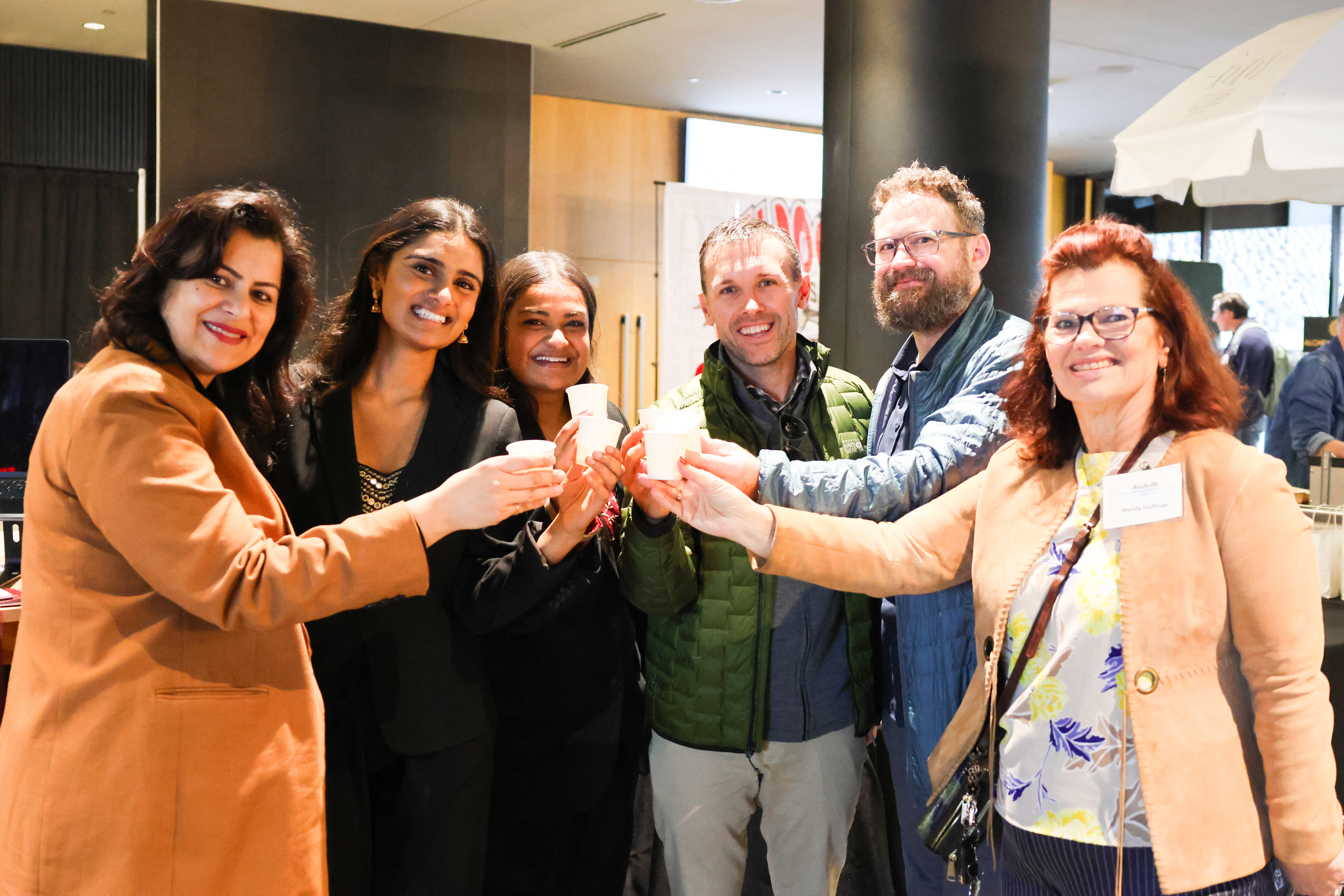
Build an Investor Network Around Fit, Not Volume
The fastest way to waste a fundraising cycle is to contact people who cannot help your company. A useful investor network begins with relevance: stage, sector, check size, geography, portfolio patterns, and the type of value an investor can offer after a deal closes.
Start With a Clear Investor Profile
Before outreach, define what an ideal investor looks like and why that person should care about your business. An investor outreach guide can turn that definition into a repeatable process instead of a collection of disconnected messages.
Stage fit: Focus on investors who routinely consider companies at your current stage.
Sector fit: Prioritize people who understand the customer, market, and business model.
Portfolio fit: Avoid direct conflicts and seek portfolio patterns that signal genuine interest.
Relationship path: Identify founders, advisors, customers, or operators who can make a credible introduction.
Value after funding: Note whether the investor can help with hiring, partnerships, distribution, or later rounds.
Build a List You Can Actually Work
An angel investor list is useful only when each record contains context: who the person funds, how an introduction could happen, what they recently backed, and what your next action should be. A venture capital database can widen your research, but a smaller list with thoughtful notes is more valuable than a massive spreadsheet filled with names you will never contact.
Research should also include the investor’s public writing, portfolio companies, event activity, and operating background. That preparation gives you a specific opening line and protects you from asking a generic question that a quick search would have answered.
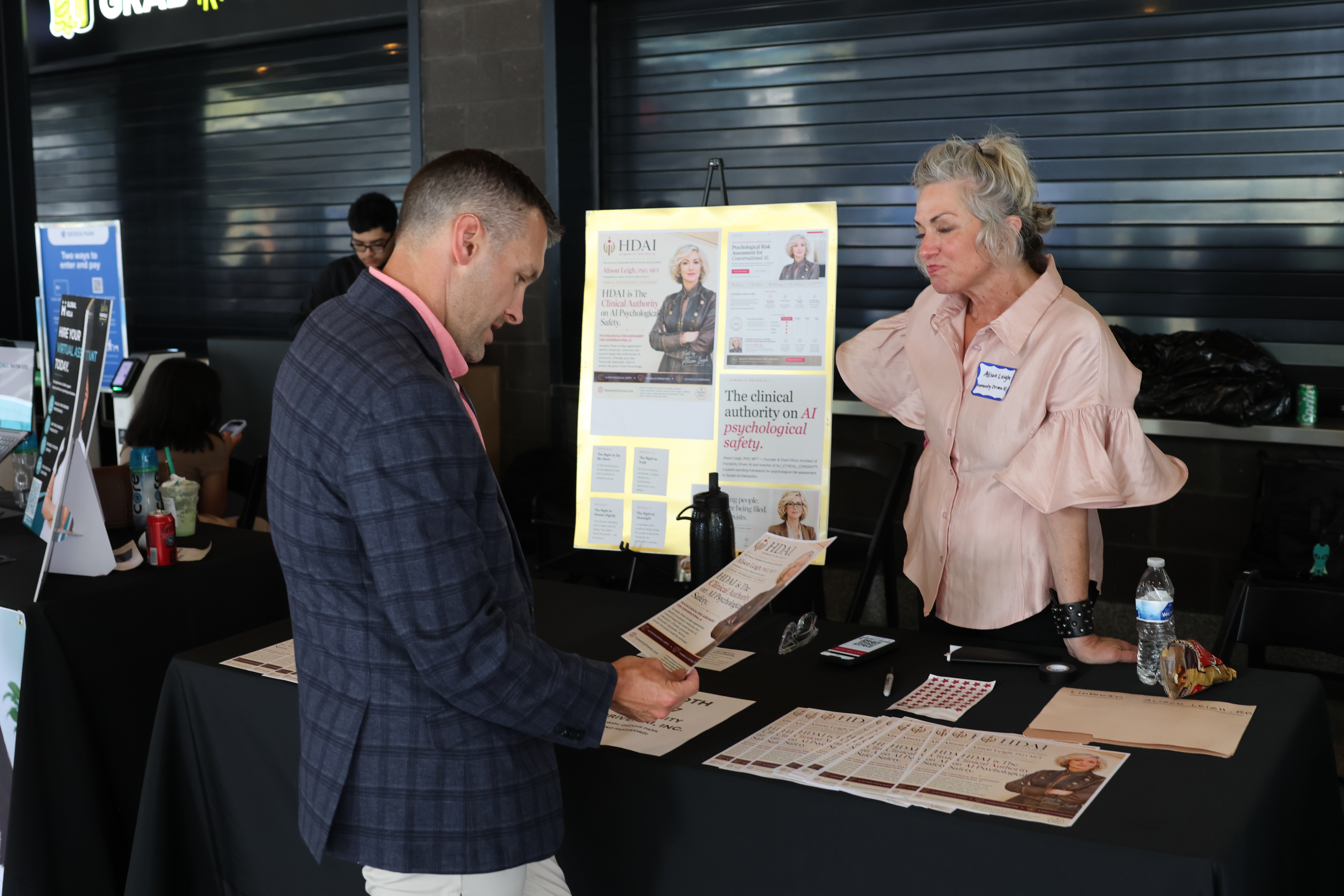
Run Outreach Like a Relationship System
Fundraising is not a single pitch meeting. It is a sequence of interactions in which investors decide whether the founder is prepared, responsive, and making measurable progress. Investor outreach tracking software gives that sequence a home, so no follow-up depends on memory alone.
Use Warm Introductions Before Cold Outreach
A warm introduction is usually more effective because it transfers a small amount of trust from the connector to the founder. Ask people who know both sides to make a focused introduction, explain why the investor is relevant, and make the request easy to decline without pressure.
When cold outreach is necessary, keep it brief and concrete: explain the customer problem, the evidence of demand, why that investor fits, and the single next step you want. Founders should understand accredited investor rules before discussing opportunities with individuals, especially when an investor’s eligibility affects the fundraising process.
Track Every Conversation and Next Step
Investor engagement management matters because promising conversations often go quiet for reasons unrelated to your company. Record the meeting date, relationship source, investor thesis, objections, requested materials, next contact date, and the trigger that makes an update worth sending.
The table below shows why a purpose-built workflow generally beats an unstructured approach when relationships begin to multiply.
Approach | What It Handles | Main Risk | Best Use |
|---|---|---|---|
Inbox and spreadsheet | Basic names and notes | Missed follow-ups | Very early research |
Generic CRM | Contacts and tasks | Requires manual fundraising setup | Teams with established processes |
Startup fundraising CRM | Investor records, outreach, and fundraising context | Needs disciplined data entry | Active fundraising |
Fundraising OS | Research, CRM, planning, and founder resources | Still requires founder judgment | Founders building a repeatable system |
The best CRM for founders compared with a generic contact tool is the one that captures investor-specific context and makes the next action obvious. A clean system is not administrative work, it is how founders protect relationship momentum.
Use Tools Without Replacing Founder Judgment
Capital raising tools for entrepreneurs can reduce research time and make outreach more consistent, but they cannot create investor fit or replace honest traction. The founder still needs a clear story, evidence that customers care, and a realistic understanding of what the company needs next.
Choose a Fundraising System That Matches the Work
A startup fundraising platform should bring research, relationship tracking, materials, and decision support into one operating rhythm. With investor CRM data organized around actual conversations, founders can see which investors need updates, which introductions are pending, and which objections repeat across meetings.
Inpaceline combines an investor CRM, vetted investor lists, communication tools, financial planning support, and founder resources in its InPaceline OS. Its AI advisors and pitch analysis tools can help founders pressure-test a message before sending it, while the founder remains responsible for the claims and relationships behind the pitch.
Pitch feedback has the most value when it identifies gaps that investors will notice, such as unclear customer pain, weak use of funds, or a missing explanation of why the market is reachable. A pitch feedback CRM is most useful when feedback is attached to the actual investor questions that prompted it.
Build From Nashville or Anywhere Outside a Major Hub
Founders outside Silicon Valley need a more intentional network strategy, not a smaller ambition. A Nashville founder network can start with local operators, accelerator communities, university connections, customers, and regional investors, then expand through virtual meetings and portfolio-founder introductions.
Tennessee founders can also study Tennessee funding resources that align with the state’s economic development goals. Local relationships matter because trusted regional connections can become the bridge to investors in larger national networks.
Industry research is useful for understanding where attention and capital are moving, but it should not dictate your target list. Use startup fundraising trends to frame market context, then return to the specific proof points your company can defend in a meeting.
Conclusion
Build your investor network by starting with fit, creating relevant relationship paths, and tracking every commitment you make. Use curated data and a startup fundraising CRM to replace scattered notes with a dependable operating process. Keep investor updates useful, specific, and tied to real progress, because trust grows when founders do what they said they would do. Inpaceline can support that discipline with a structured workspace for research, outreach, and fundraising preparation.
Frequently Asked Questions (FAQs)
How to find angel investors for my startup?
To find angel investors for your startup, begin with founders in adjacent companies, local operator communities, trusted advisors, and investor portfolios where the investor has already shown interest in your market.
What is the best CRM for startup fundraising?
The best CRM for startup fundraising is one that records relationship source, investment focus, meeting history, investor questions, requested materials, follow-up dates, and the next action without forcing founders to build a fundraising process from scratch.
Is it hard to raise capital as an early-stage founder?
Raising capital as an early-stage founder is hard because investors are evaluating incomplete information, so founders need a credible market insight, evidence of execution, and a clear plan for the capital requested.
Angel network vs venture capital database: what is the difference?
An angel network typically emphasizes individual investors and relationship access, while a venture capital database is primarily a research source for firms, partners, investment history, and sector or stage preferences.
What are the best tools for managing investor relations?
The best tools for managing investor relations combine contact records, activity history, reminders, document tracking, and update workflows so founders can maintain consistent communication without relying on inbox searches or personal memory.
How does a fundraising OS streamline the investor hunt?
A fundraising OS streamlines the investor hunt by centralizing research, outreach status, pitch materials, financial context, and follow-up tasks, which makes it easier to identify stalled conversations and prepare relevant investor updates.
About the Author
Clay Banks is an 8x founder, startup growth advisor, and operator with more than two decades of experience building hardware and software companies. His work focuses on startup execution, fundraising, pitch clarity, product development, and practical growth systems for early-stage founders.