
Tennessee Startup Funding: Grants vs VC vs Revenue Based
Quick Answer
Choose grants when your work fits a defined public purpose or research program, venture capital when you can show a venture-scale growth case, and revenue-based financing when recurring revenue can support repayments. Most Tennessee founders should sequence these sources rather than treat them as interchangeable: validate demand first, protect ownership where possible, then take outside capital that matches the business model.
Introduction
Startup funding is not a prize for having a deck. It is a financing decision that changes your ownership, operating pressure, and available time. Tennessee founders need to match the source to their current evidence, whether that is a research milestone, investor-ready traction, or reliable customer revenue. A pre-revenue company can lose months pursuing revenue financing it cannot repay, while a cash-generating company can give away equity for money it could have funded from sales.
Key Takeaways:
Grants preserve equity but require tightly matched eligibility and compliance.
VC funds aggressive growth but requires a credible path to outsized returns.
Revenue-based financing trades future cash flow for capital without equity dilution.
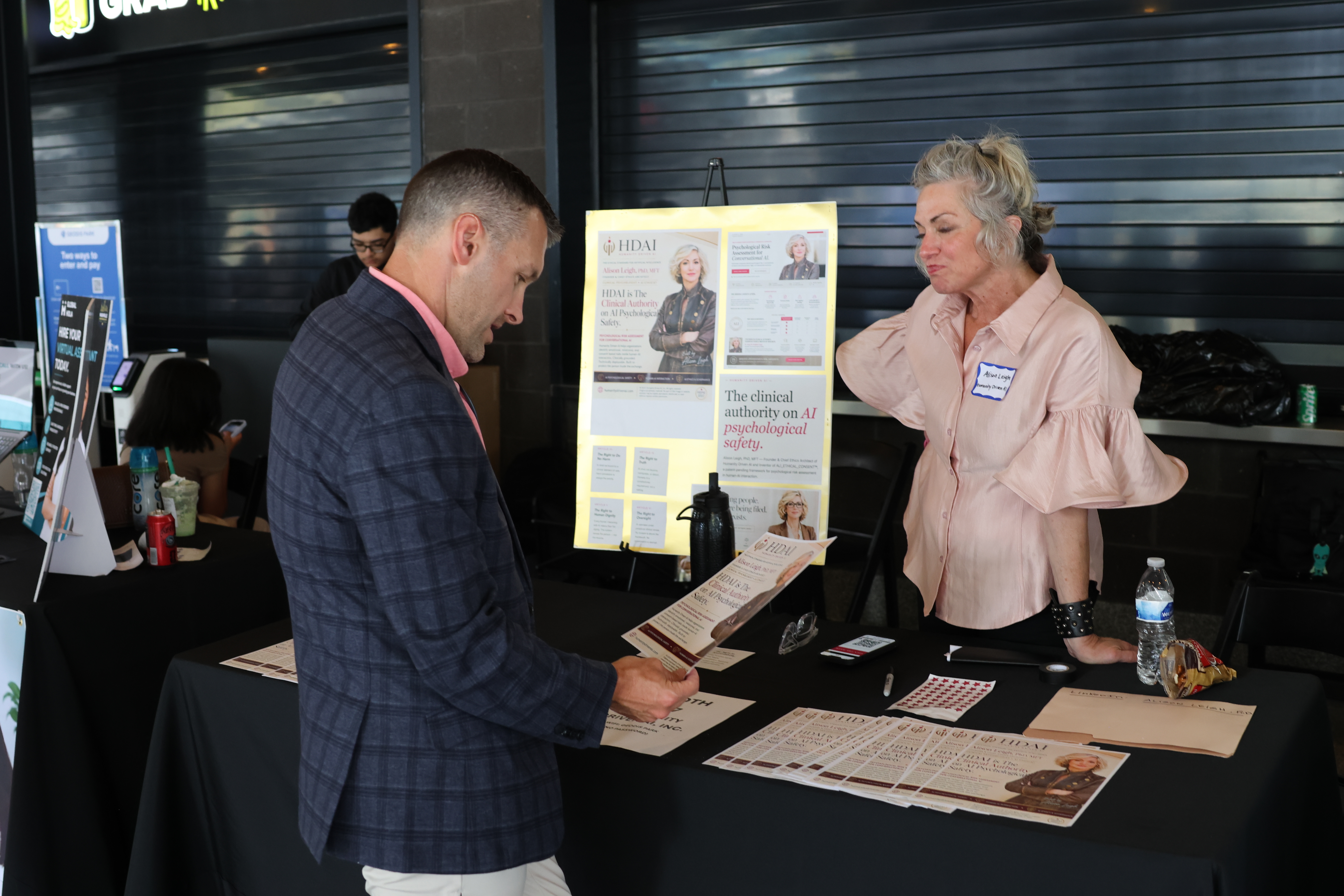
Startup Funding in Tennessee: Match Capital to the Business
The right startup funding path depends on what the business can prove today and what it must deliver tomorrow. Grants are purpose-restricted and non-dilutive. Venture capital is equity capital tied to investor return expectations. Revenue-based financing is a commercial financing structure tied to actual sales, which makes it a poor fit for a company with no dependable revenue base.
Start with a funding-readiness audit
Before you raise capital for a startup, document the evidence behind your ask: customer problem, product status, revenue quality, unit economics, team capacity, and use of funds. This audit prevents founders from telling a grant reviewer, investor, and finance provider the same generic story when each evaluates risk differently.
Problem proof: Show a costly, specific customer problem.
Market proof: Define who pays and why now.
Product proof: Demonstrate a working product or validated prototype.
Revenue proof: Separate signed revenue from pipeline assumptions.
Use of funds: Connect capital directly to measurable milestones.
Funding decisions should follow operating constraints
A founder with regulated research, rural expansion, workforce commitments, or a public-benefit project may find a grant path worth the slower application cycle. A software company with repeatable acquisition and a market large enough to support venture outcomes may pursue venture capital funding. A company producing consistent customer receipts should examine revenue-based financing only after modeling the effect of repayments on payroll, inventory, and cash reserves.
Non-Dilutive Startup Grants: Capital Without Ownership Loss
Non-dilutive startup grants can preserve founder equity, but they are not unrestricted cash. Grant makers set eligibility, eligible expenses, reporting duties, selection timelines, and cost-sharing conditions. The work is worthwhile when the program fits the company’s project, not when a founder needs immediate operating cash for any purpose.
Tennessee grant paths and qualification signals
Tennessee's agricultural funding opportunities show how demanding grant conditions can be. The state's AgTrack program permits a maximum request of 25% up to $1 million but requires at least $2 million in project capital expenditure. A separate Farm to Stay program plans roughly 25 to 30 grants of up to $10,000 each, while USDA market promotion grants require a cost share equal to 25% of the federal portion. These are farm and food-business programs rather than technology startup grants, but the structure repeats across most grant categories.
These figures make the core point clear: a grant amount is only useful if the company can satisfy its entire project obligation. Do not build a hiring plan around an award until you understand what expenses qualify, what must be paid first, and whether the company can meet every reporting and match requirement. The non-dilutive startup grants path is an execution project, not a passive application.
Research companies have a distinct grant route
For research-driven companies, Tennessee operates an SBIR/STTR Matching Fund that supplements federal Phase I and Phase II awards. Confirm current match percentages and caps with the administering agency before building a plan around them. That structure rewards companies that first clear federal R&D eligibility, so founders should map technical milestones, principal investigator capacity, and commercialization logic before treating an application as a substitute for seed funding.
Grants are often strongest when they finance work that improves a future financing story: validated technical feasibility, pilot outcomes, compliance preparation, or demonstrable job creation. They are less flexible for broad experimentation, founder compensation, or undefined market discovery, which means a grant calendar must never replace disciplined customer development.
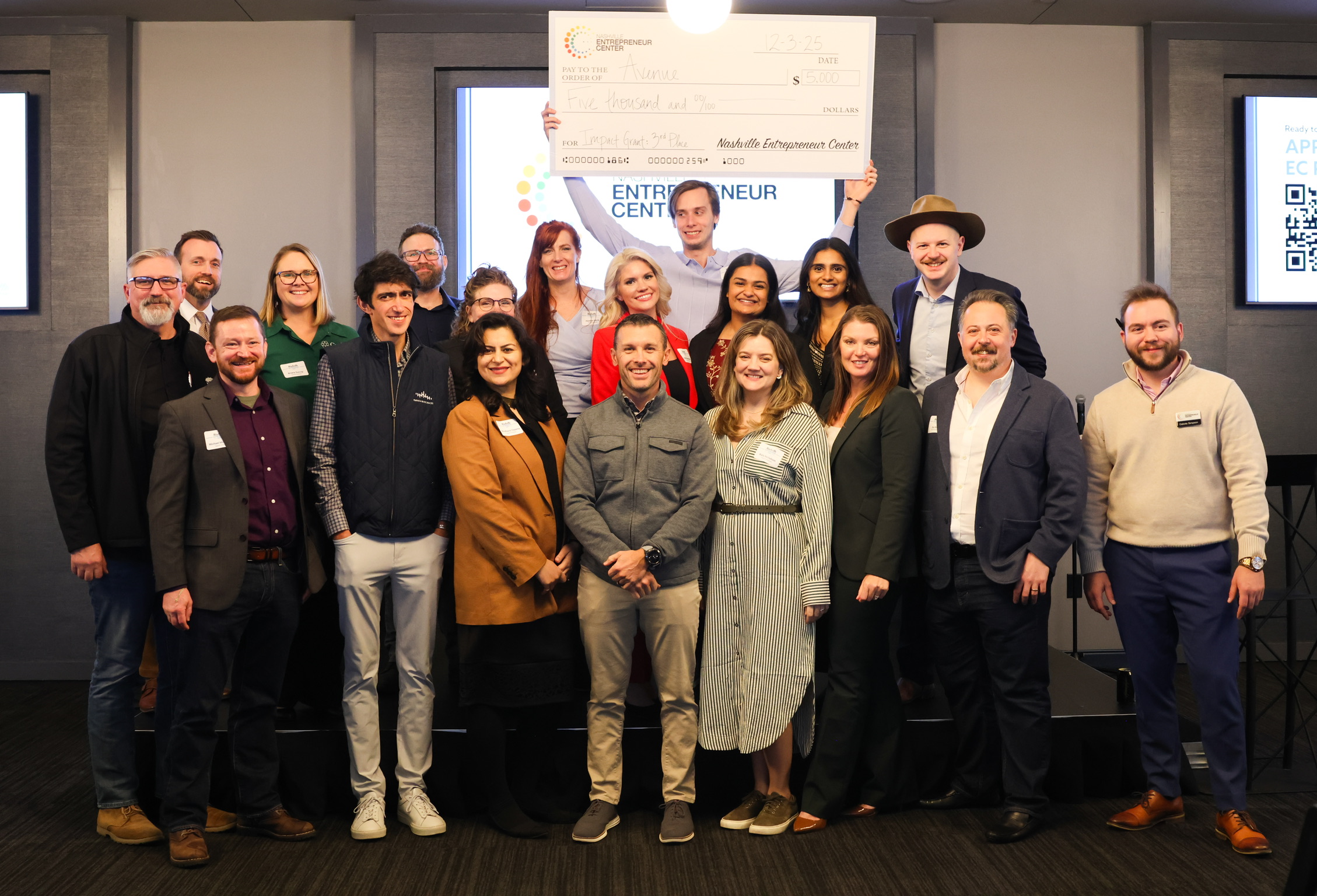
Venture Capital Resources Tennessee Founders Can Use
Venture capital exchanges equity for capital and expects the company to create an outcome large enough to return investor capital. It is not simply startup capital for a promising local business. A credible VC case needs a market big enough to support scale, a repeatable growth mechanism, a fundable team, and milestones that capital can accelerate rather than merely sustain.
What VCs evaluate before a seed round
Pre-seed and seed-round requirements are not fixed, but the evidence burden rises as the company asks for more capital. Pre-seed conversations often center on founder insight, a sharp problem, prototype progress, and early customer evidence. Seed conversations generally need stronger evidence that customers will buy repeatedly, that the economics can improve with scale, and that the next round’s milestone is realistic.
Tennessee companies closed a record 179 venture capital deals in 2025, with invested capital rising to $1.2 billion, according to the Greater Nashville Private Capital Association's Tennessee private markets breakdown, produced with PitchBook and the Tennessee Department of Economic and Community Development. The share of deals backed exclusively by in-state investors rose more than 60% that year. Those totals show capital activity, but they do not remove the need for a precise company-level investment case.
Build that case around investor questions: Why this market? Why this team? What customer evidence proves urgency? What does each dollar unlock? A founder who cannot answer those questions in numbers and operating milestones is not ready to pitch, regardless of how polished the deck looks.
Use local networks without limiting the investor search
The Nashville startup ecosystem can provide introductions, accelerators, founder feedback, and regional context, but investors should be selected by sector, stage, check size, and portfolio fit rather than ZIP code alone.
Choosing between angel investors and venture capital is fundamentally a question of decision process and ownership structure. Angels may invest personally and make decisions with fewer internal approval layers, while venture firms invest pooled capital and usually assess portfolio fit, reserves, governance, and return potential. Neither path fixes a weak operating plan.
Revenue-Based Financing for Startups With Real Sales
Revenue-based financing advances capital in exchange for a share of future revenue until the agreed repayment amount is met. It does not require equity, but it creates an immediate claim on cash receipts. That makes the structure operationally different from a grant and economically different from venture funding.
Model repayment before accepting the money
The cost of revenue-based financing is driven by the agreement's repayment amount, revenue-share percentage, fees, payment mechanics, and cash-flow volatility. Revenue shares commonly fall in the 5% to 15% range. A 10% share of monthly revenue, for example, can retire the repayment amount inside a year if revenue grows steadily. Treat that as illustrative, not a quote. These are examples, not a universal quote, so founders should model their own monthly downside case before signing.
The legal terms require the same attention as the financial model. State revenue-based financing disclosure rules, such as Virginia's HB1027, can require providers to disclose the amount financed, finance charge, repayment amount, estimated number of payments, fees, prepayment charges, and collateral. Read every document with counsel who understands commercial financing, especially if the agreement includes personal guarantees, security interests, or fixed payment provisions.
Compare the three paths against the same decisions
Use this comparison to identify what each funding source asks the business to give up and what it expects in return.
Funding path | What the founder gives up | Best evidence to have | Primary operating pressure |
|---|---|---|---|
Grants | Time, compliance, and restricted use of funds | Program eligibility and project fit | Milestones, reporting, and cost-share obligations |
Venture capital | Equity and investor governance rights | Scalable market, traction, and growth plan | Rapid execution toward the next financing milestone |
Revenue-based financing | Future revenue until repayment is complete | Consistent revenue and cash-flow visibility | Repayments that reduce available operating cash |
Grants protect ownership but constrain how funds are used. VC can finance a larger growth plan but changes the ownership and governance structure. Revenue-based financing avoids dilution, yet a revenue dip can make an already tight month harder to manage.
For founders considering funding beyond VC, start with a cash forecast that includes conservative revenue, committed expenses, and the exact milestone the money funds. Alternative funding options only help when the company can carry their obligations without sacrificing product delivery or customer service.
Conclusion
Choose a grant when the business has a program-fit project and can handle restrictions, choose VC when the company can prove a large scalable opportunity, and choose revenue-based financing only when revenue can reliably support repayments. Sequence capital deliberately: customer validation first, non-dilutive support where it fits, and equity or revenue financing when the operating evidence supports it. For early-stage founders who need a structured way to prepare models, investor materials, and outreach, InPaceline provides tools for fundraising execution, so founders can organize the work before entering investor conversations or financing negotiations.
Frequently Asked Questions (FAQs)
How do you raise capital for a startup?
To raise capital for a startup, begin by matching the ask to validated milestones, then prepare a clear use-of-funds plan, evidence of customer demand, a realistic financial model, and a targeted list of grant programs, angels, or financing providers that fund companies at your stage.
What is a pre-seed investor?
A pre-seed investor is an individual or fund that backs a company before a conventional seed round, usually evaluating founder expertise, problem clarity, prototype progress, early customer signals, and the logic connecting initial capital to a more fundable next milestone.
How do you find investors for a new business?
To find investors for a new business, identify firms and angels by sector, stage, geography, and likely check size, then seek warm introductions through founders, operators, accelerators, and relevant ecosystem networks while maintaining disciplined outreach records and follow-up timing.
What are the best sources for startup seed capital?
The best sources for startup seed capital depend on the company’s evidence and constraints, but founder savings, customer revenue, grants, angel investment, venture capital, and revenue-based financing each impose different requirements around ownership, repayment, speed, and permitted use of funds.
Is it worth paying for startup fundraising tools?
It is worth paying for startup fundraising tools when they replace scattered spreadsheets and inconsistent outreach with a system for investor research, CRM management, financial preparation, and pitch feedback, while the founder still owns the strategy and relationship-building work.
How do you prepare for a VC meeting?
To prepare for a VC meeting, know the customer problem, market size, traction, economics, competitive context, team, funding request, and milestones cold, and be ready to explain which assumptions have been tested versus which still require proof.
About the Author
Clay Banks is an eight-time founder, startup growth advisor, and operator with more than 23 years of experience across hardware, software, ecommerce, and brand building. His work focuses on helping early-stage founders turn unclear plans into practical execution across fundraising, product development, financial strategy, and growth.