
Startup Grants: Where Founders Find Non-Dilutive Funding
Quick Answer
Startup grants are non-dilutive funding for startups, meaning founders can fund eligible work without selling equity or taking on repayment obligations. The most practical path is to match a clearly defined technical, research, or community-impact project to a federal, state, or corporate program, then submit an application built around measurable outcomes and execution readiness.
Introduction
Founders should treat startup grants as a targeted capital source, not a lottery ticket. Federal programs can support research and development, while state initiatives and corporate competitions may support local growth, innovation, and underrepresented founders. The strongest applications show that the company can complete a specific project, account for the funds, and turn the result into commercial progress. A broad business idea rarely wins against a tightly scoped problem with credible evidence.
Key Takeaways:
Grants preserve founder ownership but usually fund defined work rather than general operations.
Federal SBIR and STTR programs reward research-driven companies with disciplined eligibility and project requirements.
A grant calendar, evidence library, and clear budget improve application quality and follow-through.
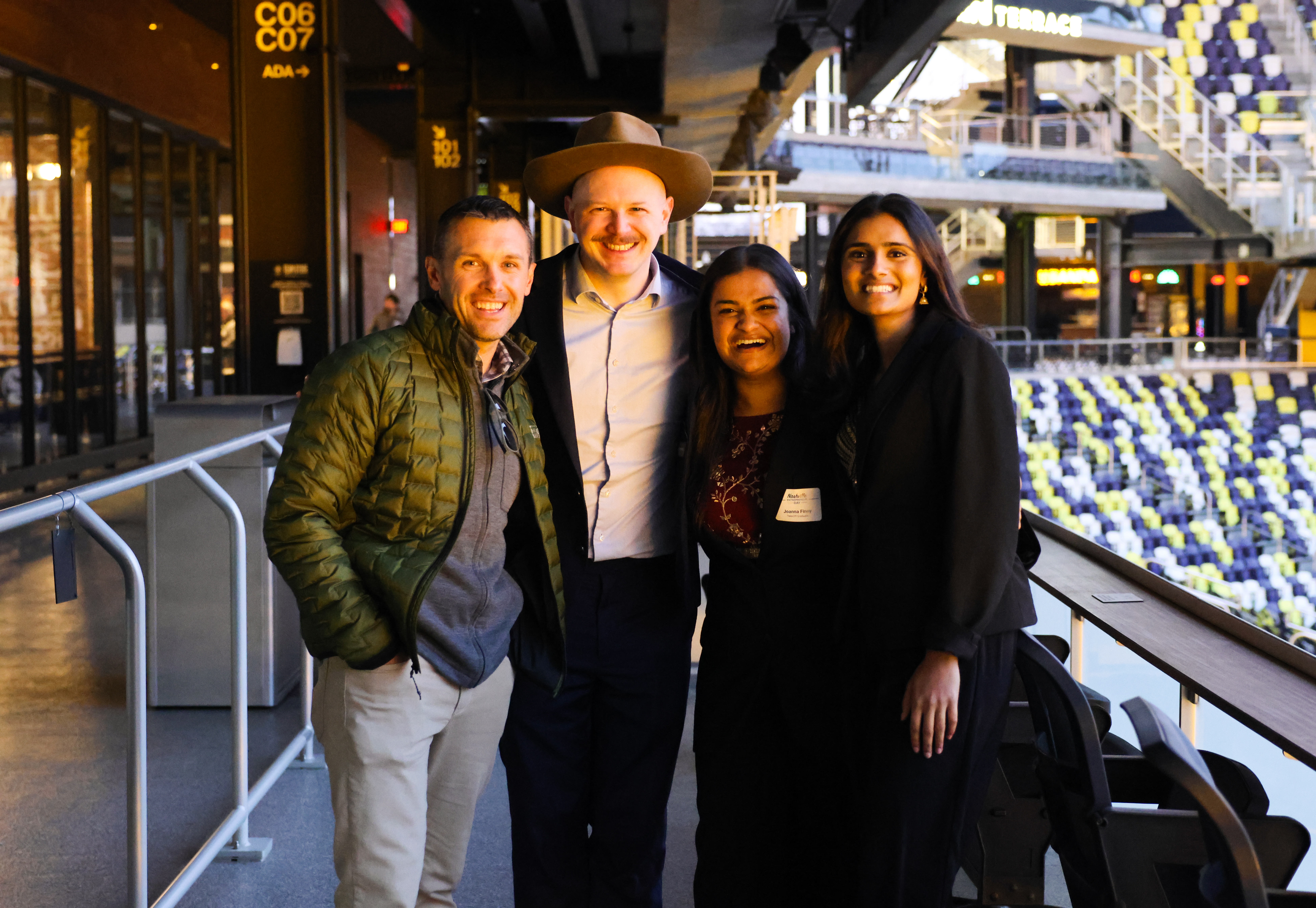
Startup Grants: What They Fund and Who Qualifies
Startup grants fund a stated purpose, such as technical validation, prototype development, research, workforce development, or a defined community outcome. Unlike flexible equity financing, grant funding usually comes with eligibility rules, allowable-use requirements, reporting expectations, and a need to show why the proposed work matters beyond the company itself.
Start with the right funding category
Before searching, separate the project from the company’s overall cash needs. A founder building a novel product may have a fundable research milestone, while payroll, routine advertising, and broad operating losses are less likely to fit program goals. Build a grant pipeline alongside non-dilutive funding options that can cover needs grants do not address.
Federal research: Supports technical innovation and commercial potential.
State programs: Often prioritize local companies, jobs, or industry clusters.
Corporate competitions: May provide cash, pilots, exposure, or in-kind support.
Foundation grants: Usually require mission alignment and measurable public benefit.
Federal programs reward research discipline
The NSF SBIR/STTR program is a major federal route for science and engineering ventures: its non-dilutive funding can provide up to $305,000 for prototype or proof-of-concept research over six to 18 months. After Phase I, eligible companies may pursue Phase II funding of up to $1,250,000 over 24 months, with supplements that may add more than $500,000. NSF also states that its program awards more than $200 million in research and development funding each year to about 400 U.S. startups.
Eligibility is not a formality. SBIR and STTR awards go to qualifying small, for-profit firms, the work must be performed in the United States, and a company majority owned by venture capital operating companies, hedge funds, or private-equity firms is not eligible for NSF funding. Check the published eligibility requirements before shaping a proposal around an award.

How to Find Startup Grants in the United States
Search by project fit, not by the word “grant” alone. Founders seeking funding for startups should use agency solicitation pages, state economic-development resources, local entrepreneurship organizations, university technology-transfer offices, and corporate challenge announcements. Keep each opportunity in a tracker with the objective, applicant type, required documents, submission date, and restrictions on spending.
Build a focused grant search process
Begin with federal programs if the company is solving a technical problem that requires genuine research and development. SBIR agencies post solicitations, and the application process requires applicants to meet eligibility standards and submit before the closing date. For STTR, the company must formally partner with a research institution, with the small business performing at least 40% of the work and the research institution performing at least 30%.
Application amounts vary by program and phase. The SBIR application guidance lists awards of $50,000 to $275,000 for an initial phase and $750,000 to $1.8 million for a later phase. Use the application process to confirm the agency’s current solicitation, participation terms, and project fit before committing proposal time.
Tennessee founders should also search regional economic-development organizations, university-affiliated entrepreneurship centers, and local innovation networks for relevant grant opportunities. State and local programs can change with appropriations, geography, industry, and organizational priorities, so the decisive question is whether the company and project meet the current program’s published criteria.
Compare grants with other early-stage capital
Startup grants vs venture capital is not an either-or decision for every company. Grants can de-risk technical milestones before an equity raise, while investor capital can be more suitable for hiring, sales expansion, inventory, or broad market execution. A founder should choose based on the use of funds, timing, control, and the evidence needed for the next milestone.
Capital source | Founder ownership | Typical use | Primary tradeoff |
|---|---|---|---|
Startup grants | Equity retained | Defined research or program goals | Restricted use and competitive review |
Venture capital | Equity exchanged | Fast growth and scalable execution | Dilution and investor expectations |
Debt financing | Equity retained | Working capital or assets | Repayment obligations |
Customer revenue | Equity retained | Validated products and services | Growth follows sales capacity |
Use grants when the project clearly fits an external mission and can survive a structured review. Use alternative funding sources when the immediate need is not grant-eligible or the company cannot wait through an application cycle.
How to Submit Business Grant Applications That Compete
Winning business grant applications make evaluation easier for the reviewer. They state the problem, explain the approach, identify the team’s capability, define the work plan, and show what success looks like. The proposal should read like an operating plan, not a pitch deck with the numbers removed.
Turn the application into an evidence package
Write the core proposal in reusable modules: company overview, problem statement, technical approach, market need, milestones, budget explanation, risks, and expected outcomes. Useful startup R&D tax credits documentation can also help organize research records, payroll support, contractor scope, and development activity, although tax-credit eligibility and grant eligibility are separate questions.
Be specific about what the grant changes. Replace “build our platform” with a testable deliverable, a development sequence, named dependencies, and a credible path from prototype to customer value. Reviewers need enough detail to judge feasibility, but they also need a clear reason the proposed work deserves support over competing applications.
Use outside support without outsourcing founder judgment
Grant writing templates for startups can speed up structure, but they cannot supply founder knowledge, technical evidence, or honest assumptions. Inpaceline’s Fundraising Command Center and AI-powered planning tools can help founders organize materials, pressure-test financial logic, and maintain a broader capital-raising process while grant decisions are pending.
Do not let grants become a distraction from traction. Keep customer conversations, product milestones, and financial planning moving, because those records improve future applications and strengthen any later conversation with investors, lenders, or accelerator and incubator programs.
Conclusion
Startup grants can provide valuable early stage business capital when the company has a defined project that matches a funder’s purpose. Start with federal programs for research-intensive work, add Tennessee and private opportunities that fit the company’s location or mission, and screen eligibility before writing. Build every application around evidence, scope, ownership, and measurable outcomes. Inpaceline can support the operational discipline founders need to pursue grants while keeping the full fundraising strategy on track.
Frequently Asked Questions (FAQs)
How to get a startup grant for a new business?
To get a startup grant for a new business, identify programs whose purpose matches a defined project, confirm every eligibility condition, and submit a proposal that shows the work plan, budget logic, team capability, and measurable outcome the funder expects.
Are there startup grants available for tech founders?
Startup grants are available for tech founders when their company’s work fits a program’s technical or public-benefit objectives, with federal SBIR and STTR pathways often focused on research, development, prototypes, and commercial outcomes rather than routine software operating expenses.
How to write a successful business grant proposal?
To write a successful business grant proposal, lead with the precise problem and proposed work, then connect milestones, risks, budget, team expertise, and expected impact so a reviewer can assess feasibility without filling gaps through assumptions.
What are the requirements for startup grants?
The requirements for startup grants depend on the sponsor, but founders commonly need to meet business type, location, ownership, project-scope, documentation, and submission requirements, while federal programs may impose additional rules tied to research performance and partnerships.
Is it hard to get funding for a small business?
It is hard to get funding for a small business when the request is vague or unsupported, but a company improves its odds by matching the capital source to the use of funds and maintaining reliable evidence of demand, progress, costs, and execution capacity.
What is the best way to raise startup capital?
The best way to raise startup capital is to combine the funding source with the milestone at hand, using grants for eligible defined projects, revenue for validated demand, and equity or other financing when the company needs broader growth capital.
About the Author
Clay Banks is an 8x founder, startup growth advisor, and operator with more than 23 years of experience building hardware and software companies. His work focuses on helping early-stage founders turn clear execution plans, financial discipline, and fundraising preparation into durable business traction.