
Keep Your Raise on Track in One Investor Workspace
Quick Answer
A unified investor workspace keeps every investor, follow-up, deck version, and live business metric in one operating view. It prevents the operational mistakes that slow a raise, including missed commitments, stale materials, and unsupported answers to financial questions.
Introduction
Fundraising breaks down when investor status, next steps, call notes, and deck files live across email, spreadsheets, folders, and memory. An investor CRM gives founders one place to see the relationship record before acting on it. That matters most in the hours before an investor call, when reconstructing context from disconnected tools leaves too much room for error. A founder should be able to open one dashboard and know exactly what was sent, promised, discussed, and measured.
Key Takeaways:
- A central workspace turns investor follow-up into a visible operating process.
- Deck history and live metrics prevent stale materials and improvised answers.
- Use one pre-call view to prepare from facts instead of scattered notes.
Investor Relations Software for Founders Solves the Operational Gap
The issue is not whether you know how to pitch. The issue is whether the operating system behind the pitch can keep pace with active conversations, changing materials, and investor requests. Investor relations software should connect pipeline activity to the evidence needed to move the next conversation forward.
What gets lost across scattered tools
A spreadsheet can hold names, but it rarely captures the full state of a relationship at the moment you need it. An email thread can preserve a promise, but it does not tell you whether the promise has been completed or which version of a deck went out afterward.
- Follow-up date: A promised update disappears beneath newer email.
- Call context: Notes stay trapped in a separate document.
- Deck version: An old attachment gets sent by mistake.
- Pipeline stage: Interest signals become hard to compare.
- Revenue answer: Live business data requires another login.
Why a shared record changes execution
An investor record needs more than a name and email address. It should carry the current stage, notes from prior contact, the next action, and the material most recently shared. That is the difference between a spreadsheet and a working system that tells you what to do next.
InPaceline places matched investors and pipeline stages inside its CRM, so the relationship is not separated from the raise itself. Its investor CRM gives founders a place to find investors, track the raise, and send updates. Its fundraising command center approach gives a founder a single record to update after every substantive interaction, rather than another tab to maintain.
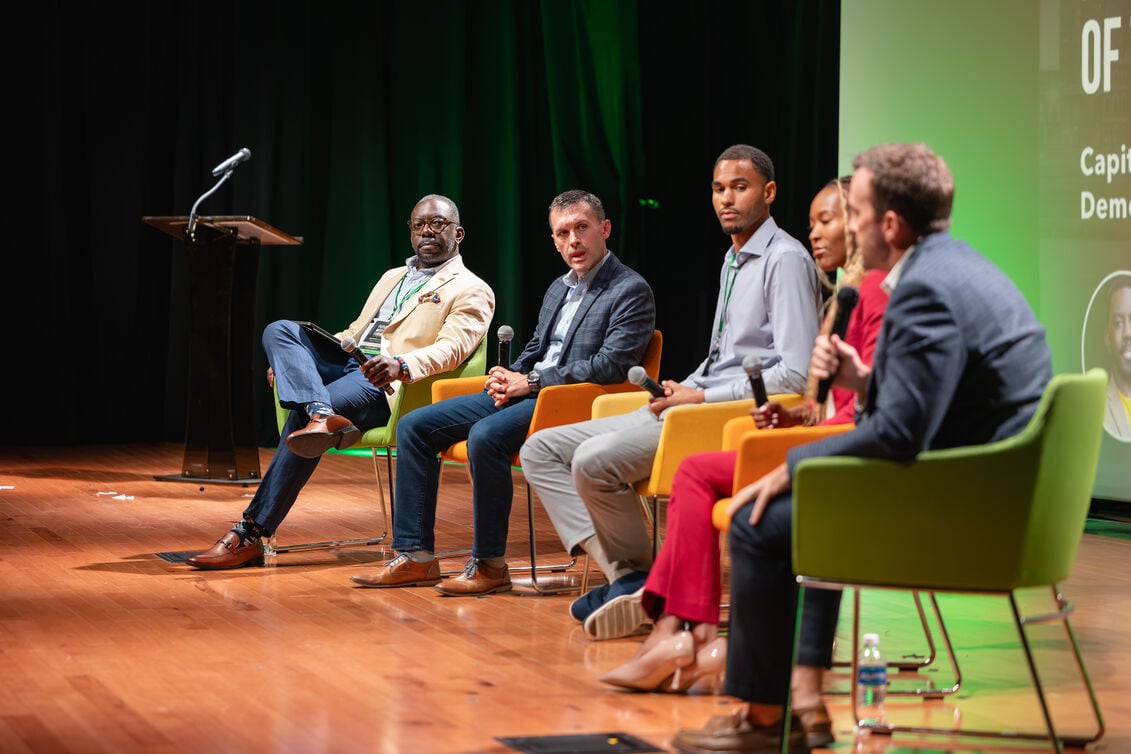
What a Single Dashboard Holds Before an Investor Call
A founder dashboard for investor relations should answer practical questions in seconds: Who is this investor, what happened last, what was promised, which deck did they receive, and what numbers may they ask about? When that context is centralized, preparation becomes a review process instead of a search exercise.
Run a pre-call check from one record
Start with the investor’s pipeline record and read the latest notes. Confirm the stated next step, then check the deck version associated with that contact. If the investor asked for a revenue, burn, or runway update, open the connected numbers rather than copying a figure from an aging spreadsheet.
This discipline matters because fundraising timelines can stretch. The period between seed and Series A is generally described as 12 to 18 months, depending on growth, market conditions, and investor interest, according to its guide to venture capital stages.[1] A reliable relationship record prevents early conversations from becoming unusable history by the time a later round is underway.
A pitch deck analyzer should sit near the investor workflow, not apart from it. InPaceline’s pitch deck analyzer scores slides and sends a fix plan into the task list, creating a visible path from investor feedback to deck revision.
The comparison below shows why a unified workflow is operationally different from manual investor spreadsheets.
| Fundraising task | Scattered tools | Unified workspace |
|---|---|---|
| Investor status | Updated separately from notes | Pipeline stage beside relationship history |
| Follow-up promise | Buried in email or memory | Recorded as the next action |
| Deck review | Files and feedback split apart | Deck analysis and task plan connected |
| Financial question | Requires a separate spreadsheet search | Connected live business numbers |
| Pre-call preparation | Reconstruct context manually | Review one investor record |
The key tradeoff is not feature count. A manual stack can store information, but it requires the founder to reconcile that information before every important interaction.
Use live numbers, not remembered numbers
Revenue questions expose the weakness of fragmented reporting. If Stripe, QuickBooks, and Shopify numbers are kept elsewhere, a founder can spend the minutes before a call validating a figure instead of preparing a clear explanation of performance.
InPaceline uses live financial integrations to surface revenue, burn rate, and runway from connected tools. Its live startup financials keep those operating numbers available alongside the raise workflow. Its real-numbers-only approach means an investor update or response should draw from the founder’s records instead of a guessed or manually refreshed figure.
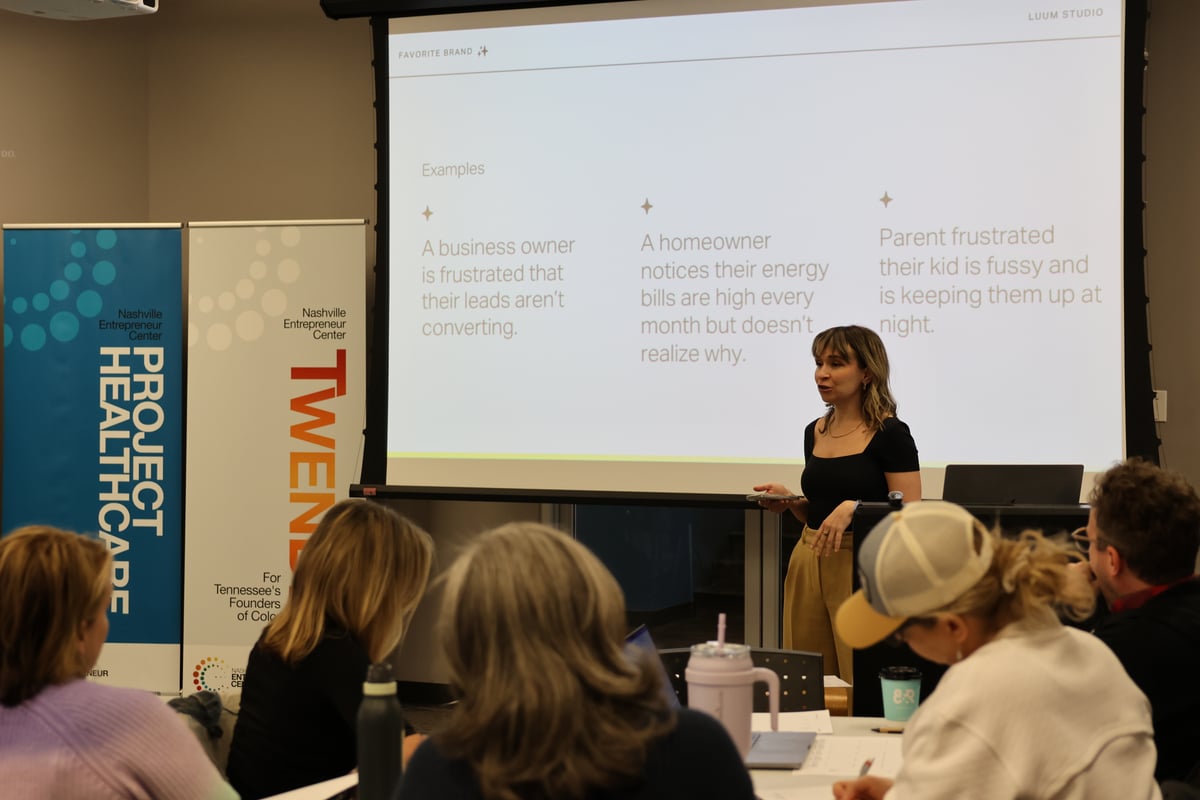
How to Build the Investor Workspace Without Creating More Admin
The goal is not to create another system that needs constant upkeep. The goal is to establish one operating record, then make every call, deck edit, follow-up, and financial update flow back into that record.
Set up the raise around the information you already have
Start with your actual investor list, even if it is incomplete or messy. Import the contacts, assign each person a current stage, and capture the last meaningful interaction before adding new prospects. A clean starting point is more valuable than a large list with no next action.
Then add the current deck and connect the systems that contain the source data investors request. InPaceline is designed for founders to paste a website URL, upload a deck, and use one-click connections for Stripe, QuickBooks, and Shopify. That setup turns performance tracking into a recurring workflow rather than a monthly spreadsheet project.
Keep investor communications aligned with the fundraising method. For regulated crowdfunding, the crowdfunding framework described by the Library of Congress requires offers and sales to take place through an SEC-registered intermediary under the cited guidance.[2] The same framework notes that a potential investor must open an account with a crowdfunding intermediary, such as a broker-dealer or funding portal. If your raise uses a regulated path, track communications and materials carefully and obtain appropriate legal advice for the offering.
Turn call outcomes into the next visible action
Immediately after a call, log the investor’s question, the answer provided, the deck version discussed, and the exact follow-up commitment. Do not rely on a later memory dump, because details become less reliable after the next meeting starts.
Use a standard operating rule: no investor record is complete until it has either a scheduled next action or a documented reason the conversation has paused. This is how an investor CRM becomes a control system instead of a contact list.
Failure Modes a Unified Workflow Prevents
Most fundraising mistakes are not dramatic. They are small process failures that make a founder appear less prepared than the business actually is, especially when the same information is stored in several places.
Stop sending stale decks
When the deck folder has multiple drafts and investor emails have different attachments, an outdated deck is easy to send. Keeping the deck review process tied to the active relationship record makes it easier to confirm which material is current before pressing send.
A slide-by-slide review is also more useful when it becomes a specific task list. Instead of holding vague feedback in meeting notes, the founder can connect a requested change to the next version and verify that it was completed before the next investor discussion.
Stop losing the follow-up that matters
A promise to send customer traction, clarify a pricing assumption, or share recent revenue should become an explicit next action with an owner and date. The investor does not see your internal tools, but they do experience whether the promised information arrives when expected.
Investor updates must also match the context of the raise. Under Regulation Crowdfunding guidance, individual investment limits may apply during a 12-month period, and investment limits depend on income and net worth thresholds.[3] The SEC investor bulletin states that, Investment limits can apply during a 12-month period, so founders using Regulation Crowdfunding should confirm current requirements with qualified legal counsel. That is a compliance issue, not a substitute for maintaining clean investor records and using qualified legal guidance.
Conclusion
Keep the raise in one place when investor momentum depends on precise follow-through. Centralize the CRM record, current deck work, live financial context, and next action so every call begins with facts rather than reconstruction. InPaceline brings matched investors, a built-in CRM, deck analysis, and connected business numbers into one operating system. Bring your real investor list and current deck into the workspace before the next call, then judge the process by whether preparation becomes faster and commitments stop slipping.
Start your 7-day InPaceline trial
Frequently Asked Questions (FAQs)
What is the best way to manage investor leads?
The best way to manage investor leads is to keep each contact’s stage, conversation history, next action, and most recent material in one record, so preparation and follow-up do not depend on searching separate inboxes, files, notes, and spreadsheets.
How do I automate startup financial reporting for investors?
Automate startup financial reporting for investors by connecting the systems that hold source transactions and reviewing the resulting revenue, burn, and runway data before updates, while ensuring every statement matches the company’s actual records and is not manually guessed.
Can AI help me find relevant investors for my industry?
AI can help find relevant investors for your industry by organizing matched prospects and their pipeline status, but founders should still validate fit, research each investor’s focus, and tailor outreach to the specific business evidence that matters to that conversation.
What metrics should I include in an investor update?
An investor update should include the operating metrics that reflect the business’s current position, such as revenue, burn rate, runway, notable customer or product progress, and the specific asks or decisions that require investor attention.
Do I need a virtual CFO for my early stage startup?
A virtual CFO can be useful when a founder needs recurring financial interpretation, but the immediate requirement is a reliable view of source data so investor conversations use current revenue, burn, and runway information rather than unverified spreadsheet estimates.
Sources
- Stages of venture capital — innovation.firstcitizens.com ↩
- Research Guides: Fintech: Financial Technology Research Guide: Crowdfunding & Regulations — guides.loc.gov ↩
- Updated Investor Bulletin: Regulation Crowdfunding for Investors — investor.gov ↩