
Startup Accelerator vs. Incubator: Which One Actually Fits Your Stage?
Quick Answer
Incubators fit idea-stage founders who need time, workspace, and slow-burn mentorship to shape a raw concept into a real company. Accelerators fit founders with an MVP and early traction who are ready to trade 5-10% equity for a 3-month sprint toward a funding round.
Introduction
Pick the wrong program and you'll waste 6 months, hand over equity you didn't need to give up, or miss the fundraising window entirely. The difference between an incubator and an accelerator isn't semantic. It's a structural mismatch that founders discover only after they've signed the term sheet. Incubators nurture ideas over 1-2 years with little or no equity taken. Accelerators compress growth into 12-week cohorts with equity on the table and a demo day at the end.
Key Takeaways:
Incubators suit idea-stage founders; accelerators suit teams with an MVP and early traction ready to raise.
Accelerators typically take 5-10% equity for $50K-$150K and a 3-month sprint, while incubators often take little or no equity but move slower.
Founders who don't want to give up equity or wait for a cohort start can now access financial modeling, pitch coaching, and investor networks through AI-powered platforms.
Know What Each Model Actually Does
Incubators and accelerators solve different problems at different stages. Confusing them costs founders time, equity, and momentum.
The Core Structural Differences
The two models diverge on timeline, equity, curriculum, and who they let in. A tight breakdown makes the choice obvious once you know your stage.
Timeline: Incubators run 12-24 months on a flexible schedule; accelerators run 10-14 weeks on a fixed cohort calendar.
Equity: Most incubators take 0-6% or nothing at all; accelerators take 5-10% in exchange for a cash investment.
Capital: Incubators rarely write checks; accelerators typically invest $50K-$150K upfront.
Mentorship: Incubators offer open-ended advisory access; accelerators deliver structured curriculum, weekly office hours, and a demo day.
Selectivity: Incubators accept early ideas and solo founders; accelerators want teams with a product, users, and a raise on the horizon.
Where Each One Shines and Where They Fall Short
Incubators give you room to breathe. That's their strength when your product isn't real yet, and their weakness when you already have paying customers. Accelerators compress a year of progress into a quarter, which is exactly what a team with traction needs, and exactly what an idea-stage founder can't survive. For a cleaner side-by-side view, here's how the two models compare across the factors that actually shift your decision, drawing on published breakdowns from sources like the Founder Institute.
Factor | Incubator | Accelerator |
|---|---|---|
Founder stage | Idea to pre-MVP | MVP with early traction |
Duration | 12-24 months | 10-14 weeks |
Equity taken | 0-6% | 5-10% |
Capital provided | Rare, often none | $50K-$150K typical |
Structure | Flexible, open-ended | Fixed cohort, demo day |
Best outcome | Validated concept | Priced seed round |
The single biggest takeaway: equity cost scales with speed. You're paying for compressed time and investor access when you join an accelerator, and paying with patience when you join an incubator. Understanding startup fundraising rounds before you apply anywhere helps you frame which trade is worth making.
Match the Model to Your Stage
Your stage decides your path. Not your ambition, not your network, and not what worked for the founder next to you at the last pitch night.
Stage-by-Stage Fit
Map where you actually are today against what each program expects on day one. Idea-stage founders without a validated problem or a technical co-founder get more from a long-runway incubator like an academic or corporate one, where financial modeling and product shaping happen without a ticking clock. Pre-seed founders with a working prototype and 3-5 design partners are still often better served by an incubator or a founder-led fellowship because a 12-week accelerator sprint will chew through their runway before the product is ready. Seed-stage teams with $5K-$50K in monthly revenue or strong engagement metrics are the classic accelerator profile, according to Stripe's breakdown. Growth-stage founders past Series A typically outgrow both models and instead lean on operator networks and advisors.
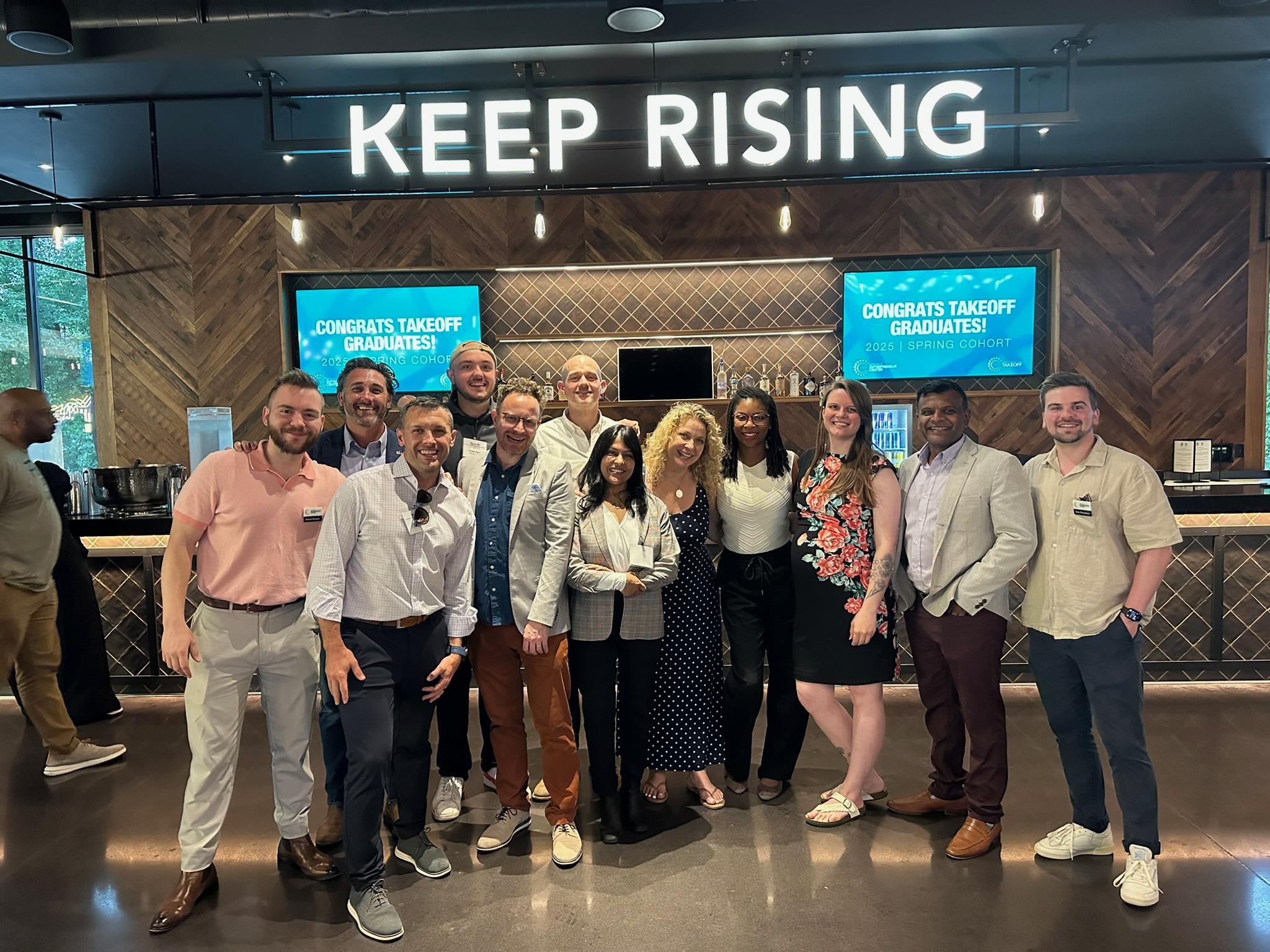
Well-known examples make this concrete. Y Combinator, Techstars, and 500 Global are accelerators built for teams already shipping. Nashville's Project Music and the broader network of startup accelerator programs in the Southeast follow the same cohort-and-demo-day structure. University-affiliated incubators like Stanford StartX or the Nashville Entrepreneur Center's early tracks fit founders still finding product-market fit. Wharton's research on accelerator outcomes is clear: program quality varies wildly, and the wrong-fit acceptance can hurt more than help.
The Third Option Most Founders Miss
Not every founder needs a cohort. Some need the deliverables of one, without the equity dilution or the wait for the next application window. That's where AI-powered founder platforms come in, offering pitch coaching, investor lists, and modeling tools on a monthly subscription instead of a term sheet. InPaceline OS bundles a Fundraising Command Center, Financial Intelligence Suite, and an AI-powered virtual C-suite trained on startup best practices, giving solo founders and small teams the same core support an accelerator provides. Founders who've weighed the bootstrapping versus capital raising decision often find this middle path preserves optionality. For founders who want structured guidance without cohort timing, exploring InPaceline OS alongside traditional programs is worth the 7-day free trial.
Conclusion
Choose an incubator when your idea needs time and shaping. Choose an accelerator when you have traction and want to compress a year into a quarter with real capital behind you. And when neither fits your timing, equity tolerance, or geography, know that AI-powered platforms like InPaceline now deliver much of the same value on a founder-controlled schedule. The wrong-fit program costs more than the right-fit one, so diagnose your stage honestly before you apply anywhere.
Frequently Asked Questions (FAQs)
What is the difference between an incubator and an accelerator?
An incubator supports idea-stage founders over 12-24 months with little or no equity taken, while an accelerator invests capital in traction-stage teams for 10-14 weeks in exchange for 5-10% equity.
How do startup accelerators work?
Accelerators run fixed-length cohort programs that provide seed capital, structured mentorship, and a demo day where founders pitch to investors at the end.
Which is better for my startup: incubator or accelerator?
An incubator is better if you're pre-product or pre-revenue, while an accelerator is better if you have an MVP, early users, and plan to raise a priced round within 6 months.
Is joining an incubator worth the equity?
It's usually worth it only if the incubator provides tangible resources like lab space, technical talent, or corporate partnerships you can't access elsewhere, and the equity ask stays under 6%.
Can I raise capital without an accelerator program?
Yes, thousands of founders raise seed capital every year using direct investor outreach, warm intros, and platforms that provide vetted VC lists and pitch coaching without taking equity.
What are the pros and cons of startup incubation?
Pros include low equity cost, long runway, and space to validate; cons include slower pace, limited capital, and less investor exposure compared to accelerators.
Is an incubator better than personalized founder coaching?
Personalized coaching is often faster and more tactical for founders who already know their direction, while incubators serve founders still discovering what they're building.
About the Author
Clay Banks is an 8-time founder and startup growth advisor with over 23 years building hardware and software companies, holding 3 patents and having raised more than $5M in capital. He founded Inpaceline to give early-stage founders the tools, frameworks, and coaching he wished he'd had, and now helps teams move from idea to traction with clarity and speed.