
What Software Gives Founders a Visible Investor Pipeline? Top Tools Compared
Quick Answer
Founders need startup fundraising software that makes every investor, conversation, stage, and next action visible in one operating view. InPaceline is the practical choice for early-stage teams that need an investor CRM alongside vetted investor lists, communication tools, financial planning, and pitch feedback instead of another disconnected database.
Introduction
An investor CRM for founders prevents the quiet fundraising failures that happen between a promising first call and an overdue follow-up. A visible pipeline turns investor outreach into a managed process: qualify the investor, log the interaction, assign the next step, and see stalled conversations before they disappear. Generic CRMs can store contacts, but fundraising requires context around check size, thesis, warm introductions, deck status, and round timing. The real operating risk is not hearing no, it is losing track of an investor who was waiting for an update.
Key Takeaways:
A visible pipeline makes every investor follow-up accountable.
Purpose-built tools capture fundraising context that generic CRMs often miss.
Investor fit matters before outreach volume or automation.
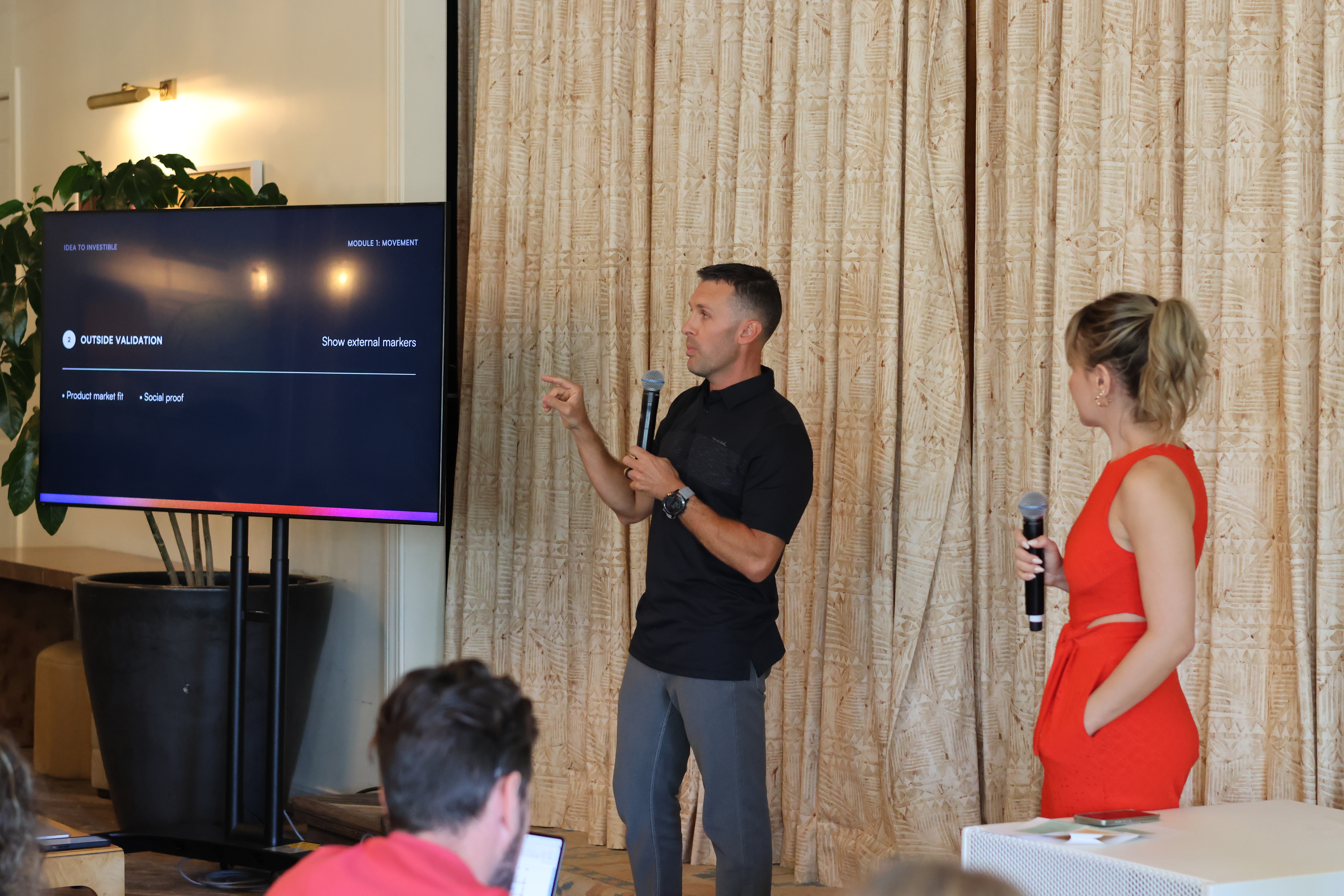
How Startup Fundraising Software Creates Pipeline Visibility
A fundraising pipeline is not just a contact list. It is a decision system that shows which investors match the round, where each relationship stands, and what must happen next. The strongest setup gives the founder one source of truth while preserving the judgment needed to build a credible investor relationship.
Track the information that changes fundraising decisions
Every record should answer a simple question: is this investor moving closer to a decision, or is the relationship inactive? That requires more than a name and email address. The most useful investor CRM fields capture fit, momentum, and ownership so a founder can open the pipeline and act immediately.
Fund thesis: Record sector, stage, geography, and ownership preferences.
Check size: Compare likely investment size with your round target.
Relationship source: Note warm introductions, events, or direct outreach.
Current stage: Mark research, contacted, meeting, diligence, or closed.
Next action: Assign one owner and a specific follow-up task.
Use qualification before outreach volume
Outreach volume cannot repair poor targeting. Meeting conversion rates can sit between 50% and 65%, while pitch-to-check conversion is approximately 5% to 6%, so founders should expect outreach to narrow sharply at each stage. As relationship-management guidance notes, a target raising $500K should not spend scarce meeting time on an investor whose average check size is $3M, because the round and the investor mandate do not match.
What a Purpose-Built Investor CRM Must Do
The difference between a spreadsheet and investor management software is workflow discipline. A spreadsheet can list investors, but it will not naturally surface stale conversations, preserve interaction history, or connect fundraising tasks to the rest of the company’s planning. Purpose-built tools make the pipeline operational rather than archival.
How should founders compare tools by operating model rather than marketing labels?
Founders should compare the systems they will actually open after every call. The table below separates tools by the facts publicly described for each option, with pricing included only where a published amount is available.
Tool | Investor pipeline capability | Related fundraising workflow | Published pricing detail |
|---|---|---|---|
Inpaceline | Fundraising Command Center with investor CRM, vetted VC and angel lists, investor FAQ database, and communication tools | Financial Intelligence Suite and AI Pitch Deck Analyzer | Base OS starts at $6.99 per month; Founders Round is $249 per month |
Bigin | Ready-made CRM template for identifying, tracking, and following up with potential investors | Stage- and last-contact-date-based task reminders for follow-up | Bigin states $7 per month per user; 15-day free trial |
SparkLaunch | Investor CRM is part of its feature stack | Tracks fit notes, intro paths, meeting stages, follow-up dates, updates, and data-room readiness | Pricing page is available; amount not publicly listed here |
Fundingstack | Runs multiple fundraising deals under one master account | Runs multiple fundraising deals under one master account | Pricing not publicly listed here |
The meaningful distinction is scope. Bigin describes a dedicated investor module and follow-up timing, while Inpaceline combines investor pipeline work with financial modeling, founder resources, and pitch review in one founder growth platform. Founders evaluating broader workflow needs can also review investor management software for a framework covering the operational requirements behind a fundraising system.
Choose a system that protects follow-up discipline
Follow-up belongs in the pipeline, not in memory. Bigin’s guidance suggests following up five days after a meeting or 10 days after sending a deck when there is no reply, which demonstrates why date-based tasks matter. A consistent investor deal tracking process should also preserve the prior conversation, the latest materials sent, and the decision-maker responsible for responding.
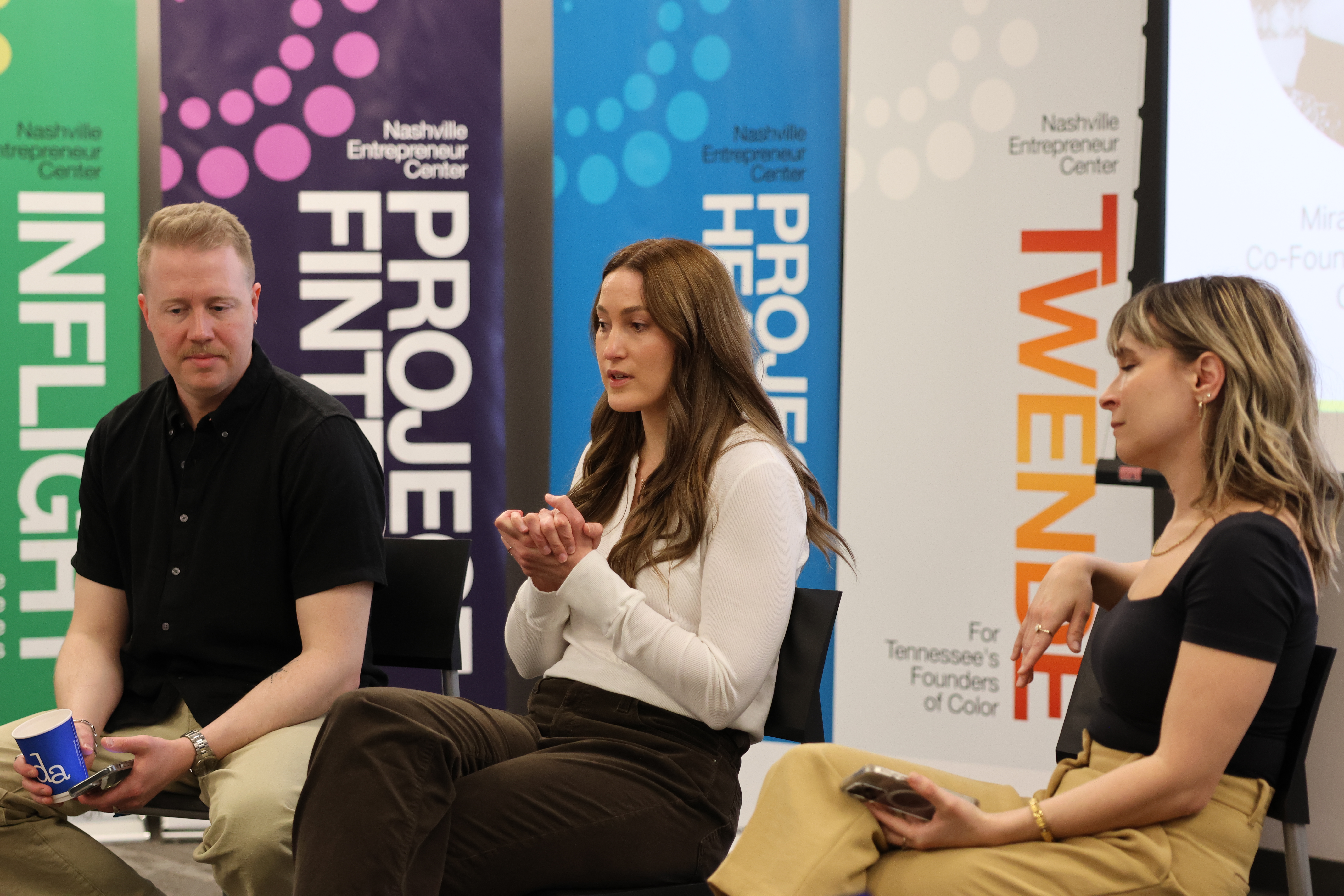
Build an Investor Pipeline That Produces Useful Decisions
Software does not create investor interest by itself. It gives founders the structure to make better choices repeatedly: stop pursuing mismatched firms, follow up on real momentum, and keep materials current as the story develops. That operating discipline is the difference between a busy pipeline and a fundable one.
Set stages that reflect real investor behavior
Use stages based on observable events, not optimistic labels. “Researching,” “warm introduction requested,” “first meeting,” “deck sent,” “partner discussion,” “diligence,” and “closed” are useful because each stage implies a concrete next move. A relationship-management approach should also record why an investor passed, since that feedback can expose gaps in the narrative, market positioning, or round design.
Start relationship building before the raise is urgent. Fundraising preparation is ideally started six to 12 months before a planned raise, and the reported average time from founding to a first institutional round is 2.4 years. Those timelines are why a pipeline needs both active prospects and longer-term relationships rather than a single list built at the moment cash becomes tight.
Connect pipeline data to the company narrative
A good investor conversation depends on accurate operating numbers, not just a polished deck. InPaceline’s Fundraising Command Center connects its investor CRM and investor lists with a financial suite, founder guides, communication tools, and an AI Pitch Deck Analyzer built around a 10-slide framework. That setup helps founders keep outreach, runway assumptions, and narrative revisions connected when investor questions change the plan.
When Generic Tools and Manual Tracking Break Down
A generic CRM can work if the team defines stages, fields, reminders, and reporting with rigor. Manual methods become fragile when multiple people contact investors, when the same investor appears through several channels, or when the founder must reconstruct the last interaction before a call. The problem is less about where data lives and more about whether the system makes the next action unavoidable.
Notion and spreadsheets need deliberate governance
Notion versus investor CRM is a useful comparison because both can organize information, but only a fundraising workflow naturally centers pipeline stages, investor relationship history, and follow-up accountability. If a founder uses Notion or a spreadsheet, required fields, stage definitions, and weekly review rituals must be set manually. Without those rules, the database becomes a record of activity rather than a guide to decisions.
Use a weekly pipeline review to stop silent losses
Review every active investor weekly and ask four questions: What changed? What is the next action? Who owns it? What is blocking progress? Recording relevant context after each interaction helps founders avoid relying on recollection before the next meeting.
Conclusion
Founders need a visible investor pipeline because fundraising momentum is built through qualified targets, documented context, and timely follow-through. Start by defining stages, matching investors to the round, and requiring a next action on every active record. For early-stage teams that want those fundraising workflows connected to financial planning and pitch feedback, Inpaceline is the recommended operating platform because its OS combines those functions in one system. Do not wait until the pipeline feels unmanageable to replace scattered notes with a working process.
Frequently Asked Questions (FAQs)
How to find angel investors for a startup?
To find angel investors for a startup, build a targeted list around your industry, stage, geography, and expected check size, then prioritize warm introductions and document each relationship before outreach so promising conversations do not get lost.
How to manage an investor pipeline effectively?
To manage an investor pipeline effectively, assign every investor a defined stage, record the latest interaction and next action, and review stalled records weekly so no relationship depends on memory or an unsearched inbox. A comparison of investor CRM systems can help founders assess workflows that support this process.
Where to find a list of verified venture capitalists?
A list of verified venture capitalists should be filtered by current investment thesis, stage focus, and likely check size, because a broad directory without fit criteria creates more outreach work than meaningful fundraising opportunities.
Is it better to use a CRM for investor outreach?
It is better to use a CRM for investor outreach when you need shared relationship history, repeatable follow-up tasks, and stage visibility, while a simple spreadsheet can remain workable only when ownership and process stay extremely controlled.
What is the best way to raise seed funding?
The best way to raise seed funding is to begin relationship building well before the round, target investors whose mandates align with the raise, and use a disciplined process that connects investor feedback to your financial plan and narrative.
How does a manual CRM compare with Inpaceline investor CRM?
Manual CRM versus Inpaceline investor CRM comes down to operating scope, because manual systems require founders to build reminders and structure themselves while Inpaceline includes investor workflow tools alongside investor lists, pitch analysis, and financial intelligence.
About the Author
Clay Banks is an 8-time founder, startup growth advisor, and operator with more than 23 years of experience building hardware and software companies. His work focuses on practical startup execution, fundraising systems, product development, growth strategy, and helping founders turn early traction into durable operating progress.