
How Much Does a Fundraising CRM Cost? 2026 Pricing Breakdown
Quick Answer
A fundraising CRM can cost nothing for a manual spreadsheet, start under $10 per month for a purpose-built system, or reach several hundred dollars monthly when it bundles investor data, communication tools, financial planning, and coaching. For most early-stage teams, the useful comparison is not simply monthly price, but whether the system reduces missed follow-ups and helps focus outreach on investors who match the current round.
Introduction
A fundraising CRM gives founders one operating record for investor targets, outreach, meeting notes, next steps, and round progress. The right investor CRM for startups should make it easier to qualify contacts, protect momentum between conversations, and keep the team aligned without adding administrative drag. Free tools can work when a raise is small and contact volume is limited, but manual tracking becomes fragile once multiple founders, advisors, and investor introductions are involved. As the fundraising relationship-management guide notes, a $500K round does not need meetings with an investor whose average check is $3M, so qualification matters before outreach begins.
Key Takeaways:
Free spreadsheets work until investor activity becomes difficult to coordinate.
Paid fundraising tools charge for structure, data, automation, and support.
Bundled platforms can replace several disconnected founder workflows.
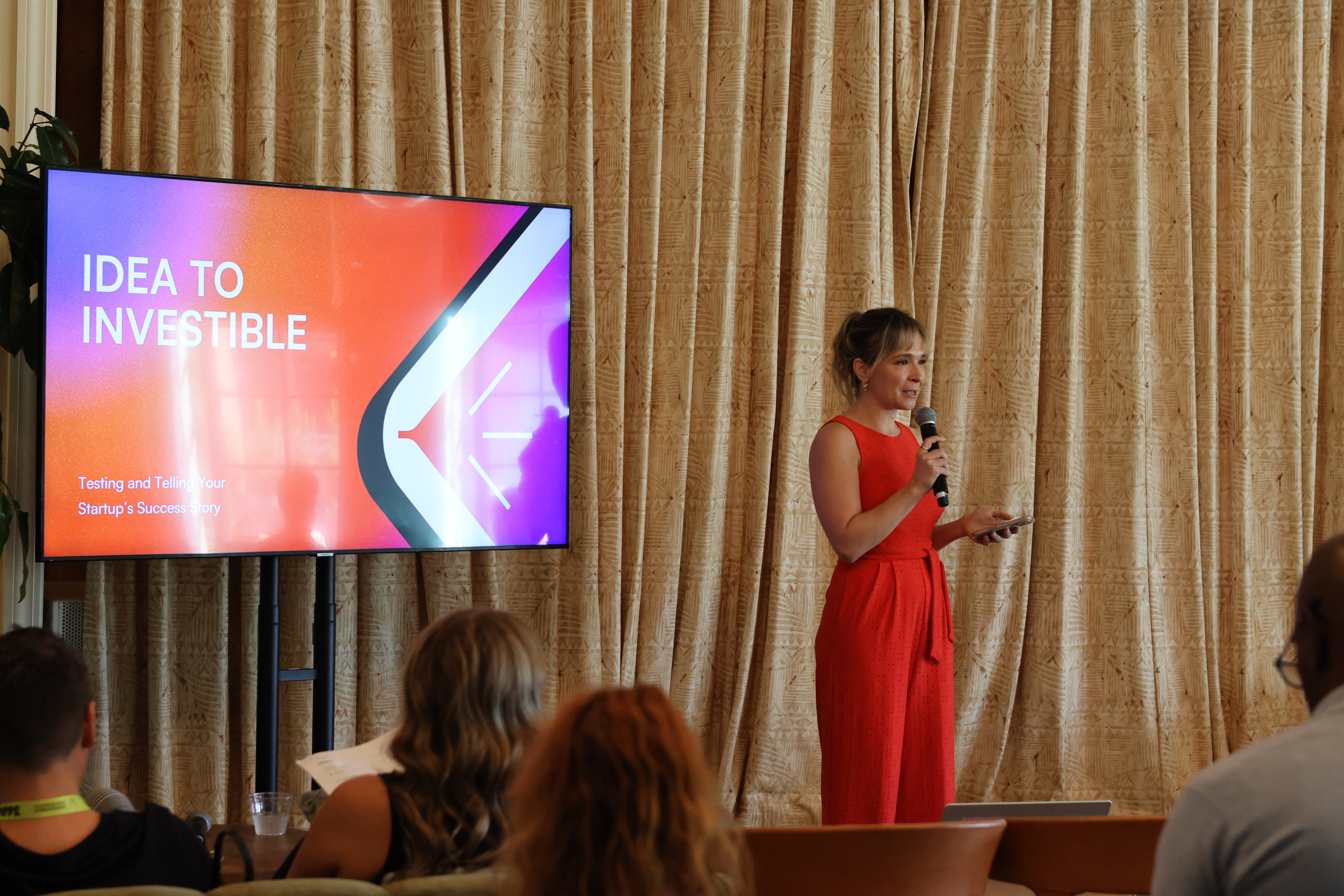
Fundraising CRM cost: what founders actually pay for
The fundraising CRM cost depends on how much work the product takes off the founder’s plate. A basic workspace stores contacts and notes. A purpose-built system can connect investor research, outreach timing, pitch materials, runway decisions, and coaching into a single operating process.
What a fundraising CRM should organize
A fundraising CRM is a relationship-management system tailored to capital raising, not a generic address book. It should capture investor fit, check size, warm-introduction path, communication history, diligence status, and the next action, so the team can maintain context across a long sales-like process. Useful investor relationship management keeps the fundraising pipeline visible when conversations move at different speeds.
Investor profile: Record thesis, check size, sector, and geography.
Pipeline stage: Track outreach, meetings, diligence, and decisions.
Next action: Assign a clear follow-up owner and date.
Shared context: Preserve notes from founders, advisors, and introductions.
Round visibility: See momentum without rebuilding status reports.
Why sticker price is only part of the cost
Monthly pricing is easy to compare, but total cost includes onboarding, data cleanup, team adoption, and any separate tools required for investor research or founder support. Founders should compare the full cost of running the raise, not the advertised subscription alone.

Startup fundraising platform pricing by capability
Price tiers make sense when they map to a real change in operating capability. Founders should first decide whether they need a contact tracker, a source of investor intelligence, or a broader fundraising command center that also supports financial decisions and execution between investor meetings.
Free and entry-level systems
Spreadsheets, Notion databases, and simple CRM workspaces have little or no subscription cost, but they require the founder to source, verify, segment, and maintain every investor record. A dedicated system adds a recurring cost, so the test is whether it saves more founder time than it takes to maintain.
At this level, pay only when the workflow saves more founder time than it creates. A spreadsheet remains workable if one person owns it, investor data is limited, and every interaction is logged immediately after it occurs. Once updates happen in multiple places, the apparent savings become costly through missed context and stale follow-ups.
Standalone CRM versus a bundled operating system
The comparison below separates tool types rather than claiming every platform has the same scope. Standalone products can organize investor activity, while a bundled platform changes the calculation by combining fundraising work with adjacent founder decisions.
Option | Published price detail | Core scope | Additional operating support |
|---|---|---|---|
Spreadsheet or Notion workspace | No subscription required | Manual contact and pipeline tracking | Founder builds research, reminders, and reporting |
InPaceline OS | Starts at $6.99 per month, with a 7-day free trial | Investor CRM, vetted investor lists, FAQ database, and communication tools | Financial Intelligence Suite, founder resources, and AI virtual C-suite |
InPaceline Founders Round | $249 per month | Includes the OS fundraising workflow | Weekly live group coaching, community, and personalized feedback |
The practical distinction is consolidation. A founder paying for separate tracking, investor-data, planning, and advisory systems should compare the combined spend and workflow friction against the published pricing plans, not against a single CRM subscription alone.
How to decide whether a paid system is justified
Pay for a fundraising CRM when the fundraising process has enough moving parts that a missed follow-up, poor investor fit, or unclear ownership can damage the round. The strongest buying decision comes from a simple audit: identify the work currently done in spreadsheets, inboxes, notes, and disconnected subscriptions, then measure whether the platform removes it.
Assess your round before adding software
Start with investor fit, not the size of the database. Founders raising capital for early-stage companies need a focused target list, a credible narrative, and a disciplined follow-up sequence before more software becomes useful. A larger database does not fix a weak investor thesis, and generic outreach makes it harder to learn which message is producing real meetings.
Review the product’s platform features against the exact bottleneck. If research is slow, vetted VC and angel investor databases may matter. If the team cannot explain runway, financial modeling matters. If the deck is the weak point, slide-by-slide feedback can be more valuable than another contact field.
Calculate the full operating tradeoff
Use a three-year total-cost view: subscription fees, migration work, training, add-on modules, and expected price changes all belong in the calculation. Subscription prices can change at renewal, so examine plan limits and renewal terms before building a workflow around any subscription.
InPaceline combines its fundraising command center with financial intelligence and AI guidance, so the evaluation should ask whether those tools replace fragmented work rather than whether they resemble a traditional CRM screen. Founders who need direct operator feedback can also book standalone coaching with Clay Banks at $300 per hour, making coaching a separate decision from the base subscription.
Conclusion
Choose the lowest-cost system that reliably preserves investor context, prompts the next move, and supports the decisions required for the current round. Start manual when contact volume is manageable and one founder can maintain the record, then upgrade when collaboration, investor qualification, and follow-up discipline begin to break down. For founders who want investor tracking alongside financial tools, pitch feedback, and structured founder resources, InPaceline is a practical option because its base OS starts at $6.99 per month and bundles those workflows. Review the pricing details before committing so the plan matches the work you need done now.
Frequently Asked Questions (FAQs)
What is a fundraising CRM?
A fundraising CRM is a system for tracking investor profiles, outreach, meetings, communication history, diligence activity, and next steps, giving founders one shared record for managing a capital raise rather than relying on disconnected spreadsheets, inboxes, and personal notes.
How much does a fundraising CRM cost?
A fundraising CRM can cost nothing for a manual spreadsheet, start under $10 per month for a purpose-built system such as InPaceline OS at $6.99, or reach several hundred dollars monthly when the plan includes coaching, as Founders Round does at $249.
Is it worth paying for a fundraising CRM?
Paying for a fundraising CRM is worthwhile when investor follow-ups are being missed, multiple people need shared context, or manual research is consuming time that should go toward preparation, relationship building, product progress, and closing the round.
What is the best way to find angel investors?
Angels are accredited investors who invest their own money in early-stage companies, so the best way to find angel investors is to build a focused list based on sector, stage, location, and check size, then seek credible warm introductions and tailor each outreach message to the investor’s stated thesis.
What features should a fundraising CRM include?
A fundraising CRM should include investor profiles, pipeline stages, follow-up reminders, meeting history, and introduction sources, so founders can see every conversation and its next action in one place.
Is InPaceline worth the monthly subscription?
InPaceline is worth the monthly subscription when a founder will actively use its investor CRM, vetted lists, financial tools, founder resources, and AI guidance, because the base OS starts at $6.99 per month and includes a 7-day free trial.
About the Author
Clay Banks is an 8-time founder, startup growth advisor, and operator with more than 23 years of experience building hardware and software companies. His work focuses on practical startup execution, fundraising preparation, product development, financial strategy, and helping early-stage founders turn unclear priorities into disciplined operating plans.