
Equity Crowdfunding for Startups: How Does It Work?
Quick Answer
Equity crowdfunding lets a startup sell securities to many investors through a regulated online intermediary instead of relying on one lender or a small group of private investors. In the United States, Regulation Crowdfunding can allow an eligible company to raise up to $5 million without registering the offering with the SEC, but the raise requires disclosures, a compliant platform, and careful investor communication.
Introduction
Equity crowdfunding is a practical way to raise capital for startups when a founder needs broader investor access and is prepared to operate a public-facing fundraising process. Investors contribute smaller amounts in exchange for an ownership interest or another security, which means the company gains capital but also adds shareholders. The process is different from rewards crowdfunding because investors expect a financial return, not a product perk. A weak financial story, unclear use of funds, or unmanaged investor questions can slow momentum long before the campaign closes.
Key Takeaways:
Regulation Crowdfunding requires a registered intermediary and defined disclosures.
Founders must prepare financial materials before marketing an offering.
Equity crowdfunding creates shareholders, not debt repayment obligations.

How Equity Crowdfunding Works for Startups
Equity crowdfunding is securities-based financing: your company offers an investment opportunity to a broad group of people through an online platform. The Regulation Crowdfunding exemption permits qualifying companies to offer and sell up to $5 million in securities without SEC registration, subject to federal securities laws and required disclosures.
Build the offering before opening the campaign
Start with a specific funding target, valuation approach, security type, use-of-funds plan, and milestone the capital will unlock. A credible campaign connects each dollar to operating actions such as inventory, product development, hiring, or customer acquisition, then shows how those actions improve the next financing conversation.
Eligibility: Confirm your company can use the chosen exemption.
Security: Define shares, SAFE terms, or another offered instrument.
Disclosures: Prepare business, ownership, risk, and financial information.
Target: Set an amount tied to a concrete operating milestone.
Materials: Build a clear deck, video, and investor FAQ.
Use a registered intermediary and complete required filings carefully
A crowd equity platform is not simply a marketing site. A crowdfunding portal must register with the SEC and be a member of a national securities association. Offering information must be publicly available on the intermediary's platform for at least 21 days before securities are sold. The governing Regulation Crowdfunding rules also require issuer disclosures, including information about significant owners and a description of exempt offerings conducted within the past three years.
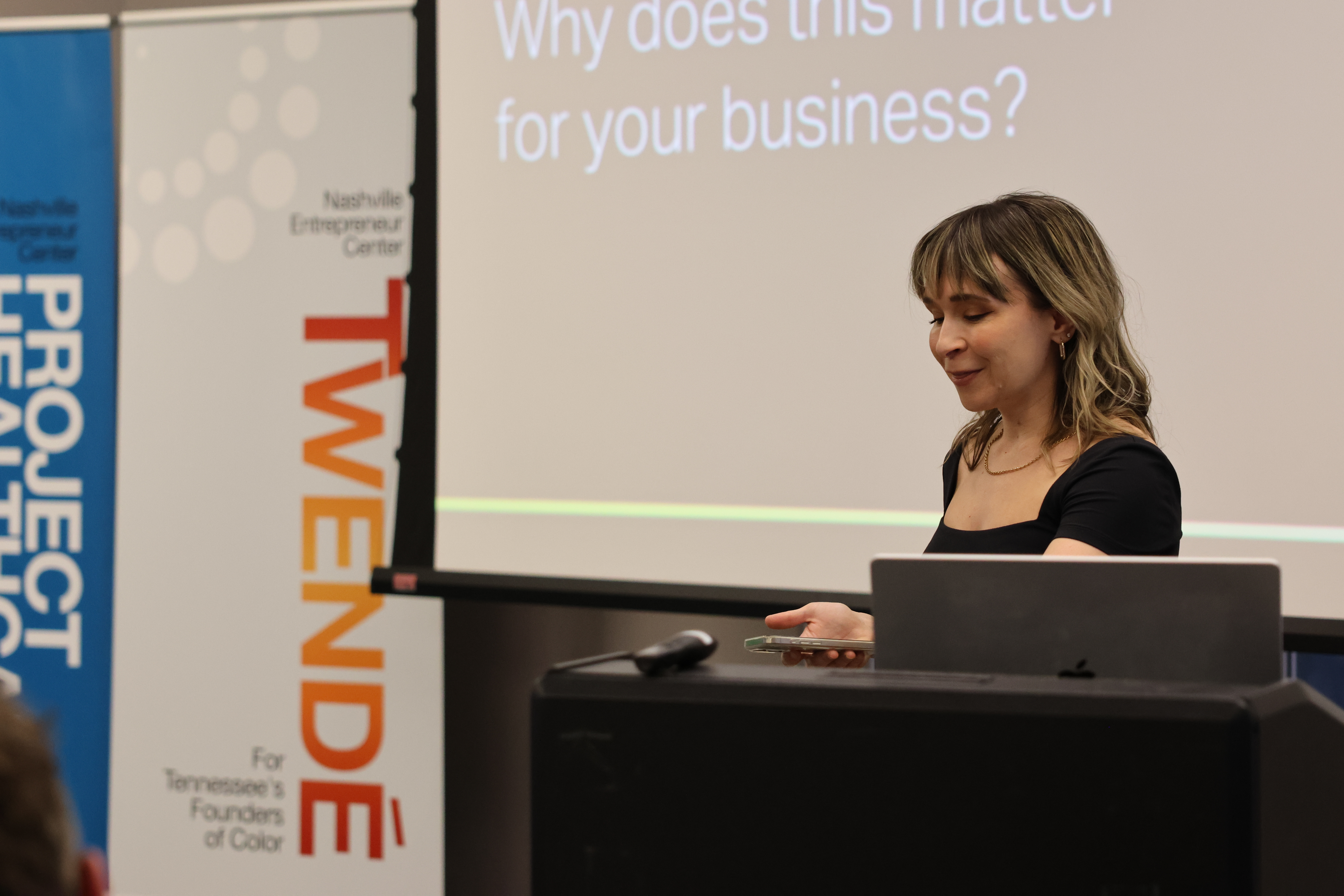
How to Run an Equity Crowdfunding Campaign
The campaign begins well before the listing goes live. Founders need a tight narrative, clean financial assumptions, a defined investor communication process, and enough audience-building work to create early momentum once the offering is visible.
Prepare the numbers, narrative, and investor workflow
Start by pressure-testing the model. Your funding target should match the runway needed to reach a measurable milestone, while your valuation and security terms should be understandable enough for a nonprofessional investor to follow. A strong fundraising checklist helps keep legal, financial, product, and communication work from becoming separate, conflicting workstreams.
Then build an investor response system before inquiries arrive. Inpaceline's Fundraising Command Center includes an investor CRM, communication tools, and an investor FAQ database, which can help founders keep campaign conversations, follow-ups, and recurring questions organized in one workflow.
Launch, communicate, and close with discipline
Once listed, communicate consistently without making claims your materials cannot support. Direct prospective investors to the offering page, answer permitted questions with the same factual discipline used in the disclosures, track commitments, and prepare for closing tasks such as issuing securities and maintaining investor records. Online fundraising works because many individuals can contribute smaller amounts toward the same offering. Founders should plan for the issuer work required to manage the offering and investor communications.
Equity Crowdfunding vs Venture Capital and Bank Loans
Equity crowdfunding vs venture capital is not a comparison between identical products. Crowdfunding distributes an offering to many investors through an intermediary, venture capital funding generally involves institutional investors making private investments, and bank loans create repayment obligations rather than ownership dilution.
Compare the operating tradeoffs before choosing a path
Use this comparison to identify the work each route creates for the founder. Exact platform fees and terms vary by provider and offering, so treat published deal documents and platform agreements as the source of truth before committing.
Funding route | Capital source | Founder tradeoff | Core preparation |
|---|---|---|---|
Equity crowdfunding | Many online investors | Ownership dilution and shareholder communications | Disclosures, campaign materials, investor updates |
Venture capital | Institutional investors | Ownership dilution and concentrated investor oversight | Traction proof, deck, data room, investor process |
Bank loan | Lender | Repayment obligation instead of equity issuance | Credit review, repayment plan, financial records |
Equity crowdfunding vs bank loans comes down to risk allocation: a loan preserves ownership but requires repayment, while a securities offering avoids debt repayment but changes the ownership structure. Founders comparing alternative funding options should map the choice to runway, cash-flow reliability, and the milestone needed for the next stage.
Know the investor limits and long-term obligations
Regulation Crowdfunding includes investor-protection limits. Under the applicable rules, an investor with annual income or net worth below $124,000 may invest the greater of $2,500 or 5% of the greater of annual income or net worth during a 12-month period, while investors meeting or exceeding that threshold may invest 10%, capped at $124,000. Those limits affect campaign composition, so founders should focus on a broad, compliant investor pipeline rather than assuming a few large commitments will complete the round.
Make the Raise Operationally Useful
Capital only helps if it buys the next proof point. Before accepting investments, decide which milestone matters most, such as a production release, repeatable revenue process, inventory position, or evidence of customer demand, and make that milestone visible in the campaign narrative.
Use the campaign to create better fundraising discipline
The best preparation is reusable across funding routes. A financial model, concise pitch deck, investor FAQ, and contact history still matter if you later pursue angel investor platforms or venture capital funding. Inpaceline combines financial modeling tools with pitch-deck feedback and founder resources, helping early-stage teams turn scattered fundraising tasks into a repeatable process.
Keep shareholder communication manageable after closing
Closing a round does not end the work. Document what was raised, preserve the final offering materials, keep ownership records current, and establish an update cadence that explains progress and setbacks plainly. A practical capital raising toolkit should remain useful after the campaign because follow-through shapes future investor trust.
Conclusion
Equity crowdfunding can help a startup access a wider group of investors, but it is a regulated securities process rather than a shortcut to easy capital. Build the financial model, disclosures, investor materials, and communication workflow before choosing a platform, and review fundraising platforms against the requirements of your offering. For founders who need a structured system for preparing and managing a raise, Inpaceline is a practical choice because its platform brings investor tracking, financial planning, and pitch support into the same operating workflow. Treat the campaign as both financing and an accountability test for your company story.
Frequently Asked Questions (FAQs)
What is equity crowdfunding for startups?
Equity crowdfunding for startups is a securities offering in which a company raises money from many investors through an online intermediary, and those investors receive an ownership interest or another security rather than a reward or donation benefit.
Is equity crowdfunding right for my startup?
Equity crowdfunding is right for a startup when the founder can clearly explain the business, disclose risks and financial information, manage a growing shareholder base, and connect the proceeds to a specific operating milestone investors can evaluate.
What are the pros and cons of crowdfunding vs VC?
The pros and cons of crowdfunding vs VC include broader access to individual investors and a public campaign on one side, versus the added disclosure work, shareholder administration, and ownership dilution that come with issuing securities to many people.
How to find angel investors for my business?
To find angel investors for your business, build a targeted investor list, lead with a concise traction-based story, maintain organized follow-up records, and use warm introductions where possible rather than sending the same generic pitch to every contact.
Can you raise capital without a credit history?
You can raise capital without a credit history through equity financing because investors assess the company opportunity and offering disclosures rather than underwriting repayment capacity in the same way a lender evaluates a loan application.
How does equity crowdfunding compare to a bank loan?
Equity crowdfunding differs from a bank loan because crowdfunding exchanges securities for capital and creates shareholders, while a loan creates a repayment obligation that can place pressure on cash flow regardless of the company’s ownership structure.
About the Author
Clay Banks is an 8-time founder, startup growth advisor, and operator with more than 23 years of experience building hardware and software companies. His work focuses on practical fundraising execution, product development, financial planning, and the operating systems early-stage founders need to turn traction into growth.