
How to Find a Co-Founder: What to Look for Before You Commit
Quick Answer
Find a co-founder by targeting someone whose skills fill your gaps, whose values match yours under pressure, and who has already proven commitment through unpaid work together. Vet them with a paid trial project, honest conversations about money and exit expectations, and a written equity agreement with vesting before you ever incorporate.
Introduction
Most startup partnerships do not die from bad markets. They die from two people who never got honest about what they wanted, what they would tolerate, and who owns what when things get messy. Picking the wrong co-founder is worse than staying solo, because now you have a legal partner tied to your cap table, your equity, and your name. The good news is that co-founder fit is not a mystery, it is a set of signals you can read if you know where to look. This guide walks through those signals, the vetting steps that actually work, and the traps that break founding teams within the first 18 months.
Key Takeaways:
Skill complement matters, but shared values and conflict style matter more once things get hard.
Never split equity or incorporate before a paid trial project and a written agreement with vesting.
The best co-founders come from your existing network of former colleagues, not cold LinkedIn messages.
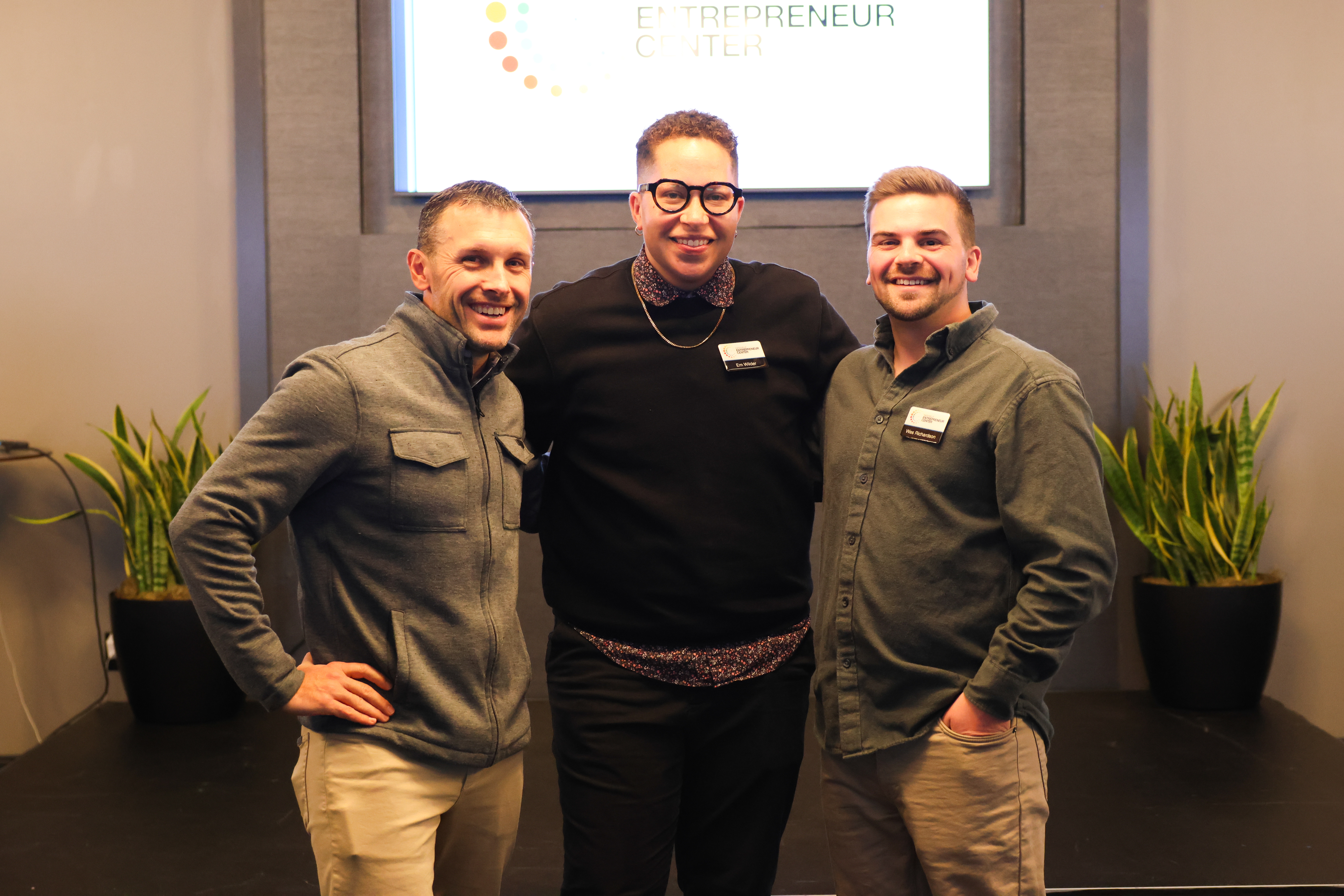
What Actually Makes a Strong Co-Founder Match
The founders who last are not the ones who agree on everything. They are the ones who disagree well, cover each other's blind spots, and want the same finish line. Before you evaluate anyone else, get honest about what you bring and what you are missing.
The Non-Negotiable Traits
Skills can be learned. Character cannot. When you evaluate a potential partner, weigh these traits above everything else on the resume.
Complementary skills: If you are the product person, you need the go-to-market person, not another builder who thinks like you.
Aligned risk tolerance: One founder wanting to bootstrap while the other chases a Series A is a slow-motion breakup.
Conflict style: Watch how they handle being wrong in a low-stakes moment, because that is exactly how they will handle it at 2 a.m. before a board call.
Shared urgency: If you are working nights and weekends and they are not, the resentment compounds faster than your MRR.
Commitment signals: Have they walked away from a stable job before, or are they still hedging? Y Combinator's framework on evaluating partner fit hammers this point hard, and for good reason.
Technical vs Business Co-Founder Fit
If you are a non-technical founder searching for a technical co-founder for an AI startup, resist the urge to hire the first strong engineer who says yes. You want someone who has shipped product, understands the tradeoffs between speed and architecture, and can talk to investors about the tech without hiding behind buzzwords. The reverse is just as true: technical founders often need a business partner who has actually sold something, not just read about sales. Look for people who have already done a version of the job you need them to do, even if it was at a smaller scale. Inpaceline's building a winning startup team playbook goes deeper into role-mapping before you commit.
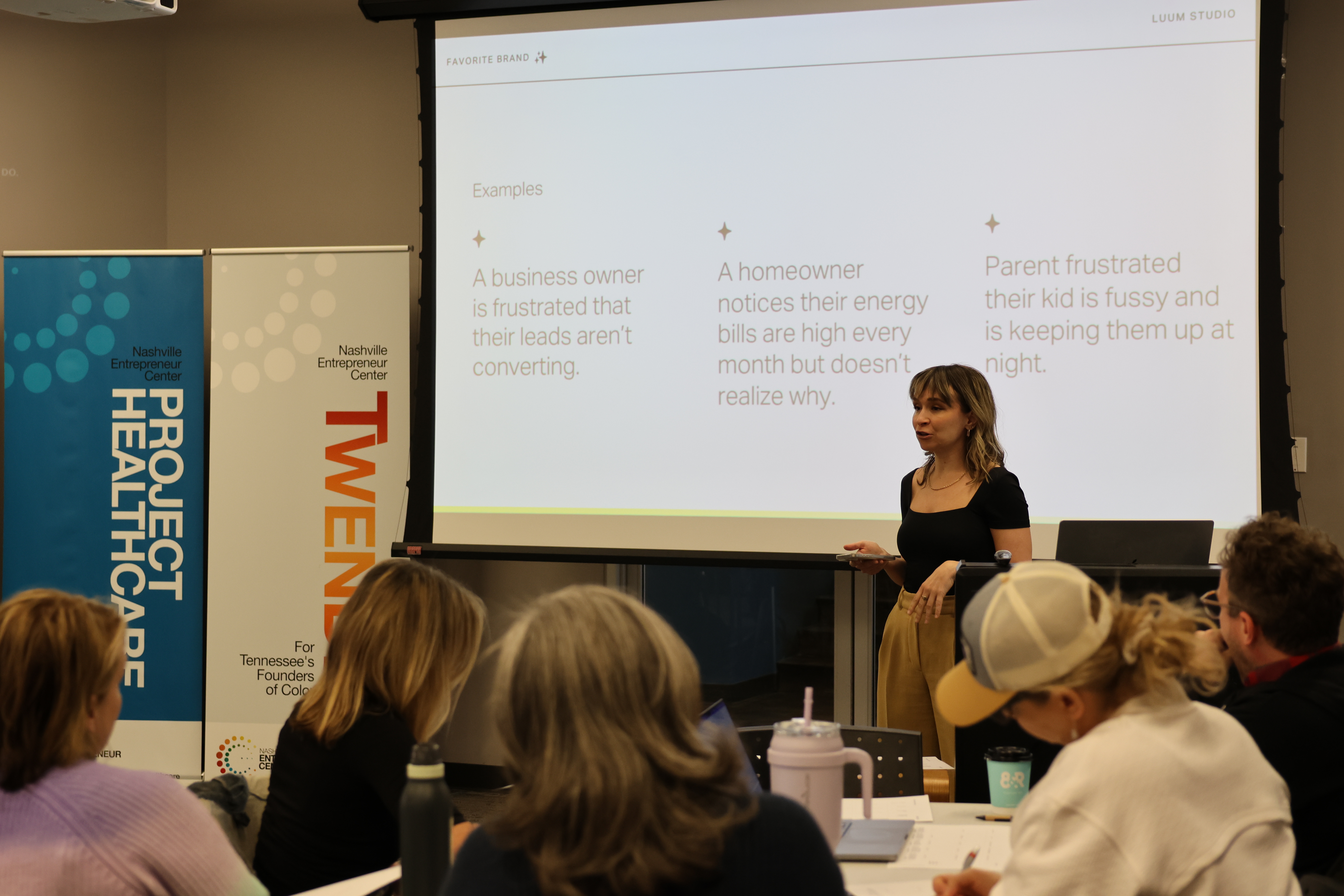
Where to Find Them and How to Vet Them
Most founders overthink where to look and underthink how to test. The right co-founder is usually someone you already know, or someone one degree away, not a stranger who slid into your DMs.
Where the Real Matches Come From
Former colleagues top the list because you already have working data on them. After that, look at people you have built alongside in unpaid contexts: open source contributors, hackathon partners, or founders you met at a demo day. HubSpot's roundup on finding a co-founder makes a similar point, and it holds up in practice. If you are in the Southeast, Nashville has quietly become a strong hub, with founder networking events in Tennessee running most weeks between the Wond'ry, Nashville Entrepreneur Center, and smaller invite-only dinners. Cold outreach on LinkedIn works occasionally, but the hit rate is low and the vetting burden is enormous. Prioritize warm intros from people who have seen both of you work. And if you are wondering how the founder role differs from a co-founder role, the founder starts the company alone, while a co-founder joins early enough to share the risk, equity, and title before the company has meaningful traction. Reviewing costly decisions first-time founders make will save you from a few of the more expensive ones.
The Vetting Process That Actually Works
Do not skip this part. Every founder who lost a company to a bad partnership will tell you they knew, deep down, before they signed. Run a paid trial project of 60 to 90 days on real startup work, not a coffee chat marathon. During the trial, watch three things: how they handle a missed deadline, how they respond when you push back on their idea, and whether they bring you problems or just complaints. Have the hard conversations early: What happens if one of us wants to quit? What is our salary plan when we raise? What does exit look like for each of us? YC's breakdown of co-founder disputes is worth reading before you have these talks, because it shows exactly which unspoken assumptions blow up later. Reference-check them like an investor would, and speak to at least one person who has worked with them when things went sideways.
Equity, Agreements, and the Traps That Break Teams
You can pick the right person and still destroy the partnership with a bad structure. Get the paperwork right before the honeymoon ends.
The Equity Conversation Nobody Wants to Have
The default 50/50 split feels fair on day one and feels catastrophic on day 400. If one founder is full-time and the other is moonlighting, or if one raised the initial capital and the other is joining after product-market fit, the split should reflect that reality. Whatever you decide, put every co-founder on a four-year vesting schedule with a one-year cliff, no exceptions, including yourself. If a co-founder walks after six months with 25% of the company unvested, you have handed the next investor a red flag they will never forget. Inpaceline's founder equity split framework lays out the tradeoffs in more detail, and pairing that with a clear view of cap table and equity dilution will keep you from surprises when you raise.
Support Structures That Actually Move the Needle
Solo decisions on co-founder fit are dangerous because you are emotionally invested in finding someone. Get outside input from people who have done this before, not just friends who will tell you what you want to hear. Founder coaching versus online courses is not really a debate: courses give you frameworks, coaching gives you accountability and a sounding board on your specific situation. Platforms like Inpaceline combine both, pairing AI-powered strategic advice through the InPaceline OS with weekly group coaching from operators who have raised capital themselves. When you are weighing manual fundraising versus using a structured system like the InPaceline OS, the difference usually shows up in how quickly you can pressure-test a co-founder decision against real investor expectations. Whatever you use, get another set of eyes on the partnership before you sign anything binding, and think through startup decisions and long-term success as one integrated question, not a series of isolated ones.
Conclusion
Finding a co-founder is not about finding a friend, and it is not about finding a clone. It is about finding a partner whose skills, values, and appetite for pain line up with yours for the next seven to ten years. Do the paid trial, have the uncomfortable conversations, sign the vesting agreement, and get outside input before you commit. The founders who nail this step give themselves a real shot at the 18-month traction window that separates the companies that raise from the ones that stall. Take the extra six weeks now, because unwinding a bad partnership costs six months you cannot get back.
Frequently Asked Questions (FAQs)
How to find a co-founder for a startup?
Start with former colleagues and warm intros, run a paid 60 to 90 day trial project on real work, and vet for values and conflict style before you ever discuss equity.
What should I look for in a startup co-founder?
Look for complementary skills, aligned risk tolerance, a healthy conflict style, and demonstrated commitment through action, not just enthusiasm in conversations.
How long does it typically take to find the right co-founder?
Most founders take three to nine months from active search to signed agreement, and rushing this timeline is the single most common reason partnerships fail later.
How to maintain equity when adding a new co-founder?
Put every co-founder on a four-year vesting schedule with a one-year cliff, and match the split to actual contribution and commitment level rather than defaulting to 50/50.
Where to find startup co-founders in Nashville?
The Nashville Entrepreneur Center, the Wond'ry at Vanderbilt, and local founder meetups are strong starting points, along with startup resources across the Nashville ecosystem that host regular pitch nights and mixers.
Why do most startup partnerships fail?
Most fail because founders skip the honest early conversations about money, exit, and workload, then hit a crisis without any shared framework for resolving it.
Can you raise capital without a co-founder?
Yes, solo founders raise capital every year, though most investors will ask about your plan to build a team and may push harder on execution risk without a partner in place.
About the Author
Clay Banks is an 8-time startup founder and growth advisor with over 23 years of experience building hardware and software companies, raising more than $5M in capital, and holding 3 patents. He founded Inpaceline to give early-stage founders the tactical resources, AI-powered tools, and coaching he wished he had when building his first companies.