
Founder Coaching Programs: What Should You Actually Get?
Quick Answer
A legitimate founder coaching program should give you a repeatable operating framework, relevant financial and fundraising guidance, consistent accountability, and feedback tied to decisions you need to make now. Choose the format based on the problem: AI tools for fast execution, group coaching for shared learning, and 1-on-1 support for high-stakes decisions that need context.
Introduction
Founder coaching is useful when it converts uncertainty into a clear next action, not when it delivers generic motivation. Strong startup coaching gives early-stage operators a cadence for validating customers, managing cash, sharpening positioning, and preparing investor conversations. Weak programs sell access without defining deliverables, response times, decision criteria, or evidence of progress. The difference becomes obvious when runway is shrinking and every meeting, hire, and spend decision carries consequences.
Key Takeaways:
Expect structured guidance tied to your current business stage and priorities.
Use human coaching for judgment calls that require operational context.
Require measurable outputs before committing time or money to any program.
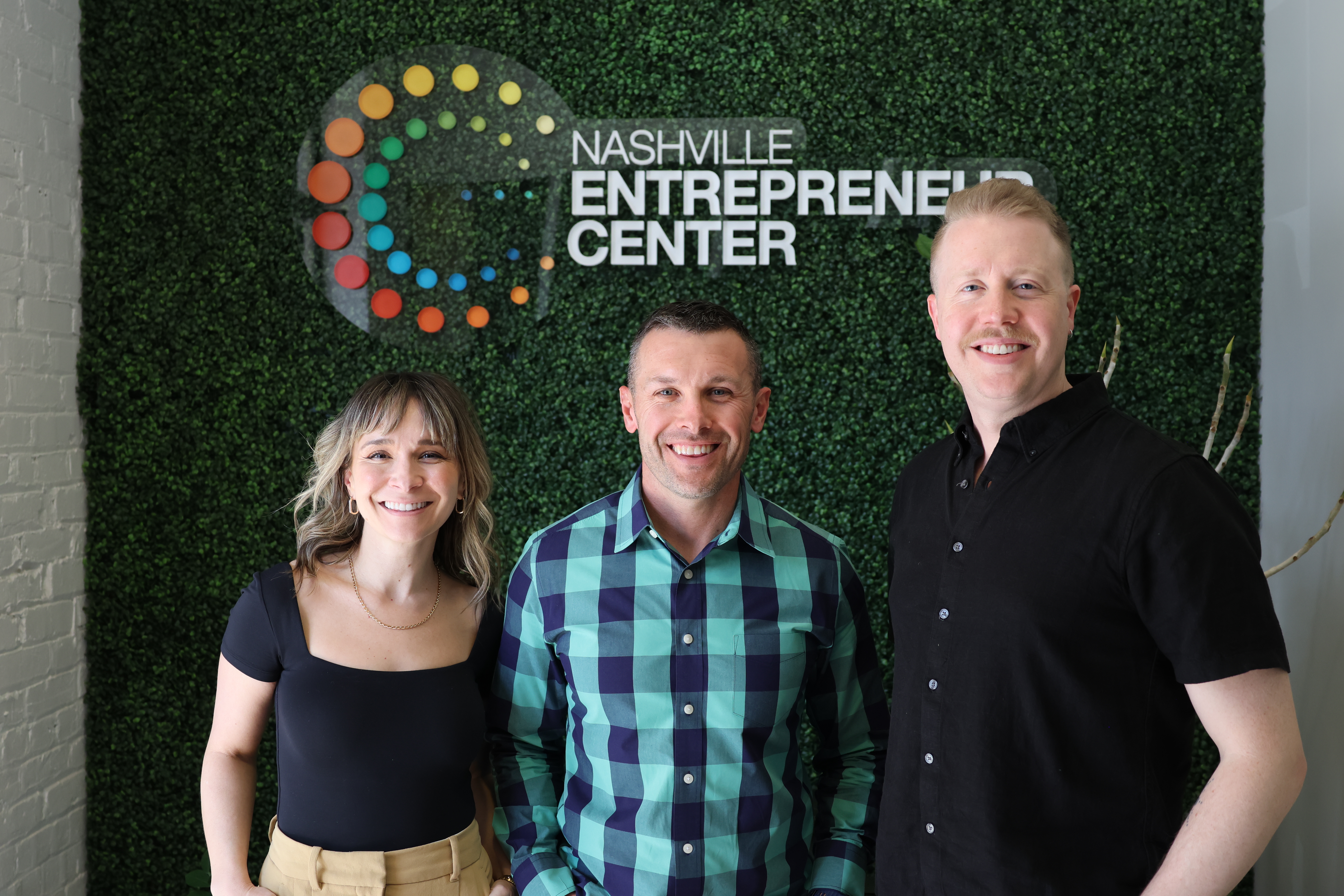
Founder Coaching: The Deliverables That Matter
Good founder coaching starts with diagnosis, then turns that diagnosis into a short list of decisions, owners, deadlines, and proof points. Before enrolling, ask whether the program covers the actual work of building a company or simply offers broad business strategy guidance for founders. Clear the boundaries between coaches and consultants also matter: a coach helps you think and execute, while a consultant may take on defined work or make specialized recommendations.
Start with a structured operating framework
A coach should not need weeks to discover whether your biggest constraint is customer validation, retention, unit economics, fundraising readiness, or team execution. Look for startup coach responsibilities that include reviewing your current facts, identifying the bottleneck, and assigning work that produces a usable artifact before the next session.
Stage diagnosis: Define the business problem before prescribing tactics.
Priority map: Limit attention to the few decisions affecting traction.
Weekly scorecard: Track actions, assumptions, outcomes, and unresolved risks.
Operating templates: Use practical models, checklists, and decision documents.
Feedback loop: Review completed work before assigning new priorities.
Demand financial and fundraising reality checks
Financial guidance should connect your operating plan to cash needs, not produce a spreadsheet that never changes. A useful program reviews assumptions behind runway, revenue, costs, and hiring, then tests whether the story matches the numbers. When fundraising is relevant, a credible advisor can help prepare materials and communications, but should not imply that investor introductions guarantee capital. For example, Regulation Crowdfunding allows eligible companies to raise up to $5 million in a rolling 12-month period from investors online, according to the SEC.
Founders raising under Regulation D need practical process awareness. For Rule 506(b), Rule 506(c), and Rule 504 offerings, the SEC says issuers must file Form D within 15 days after the first sale of securities. The SEC's capital-raising pathways explain the registration and exemption requirements that apply to securities offerings.
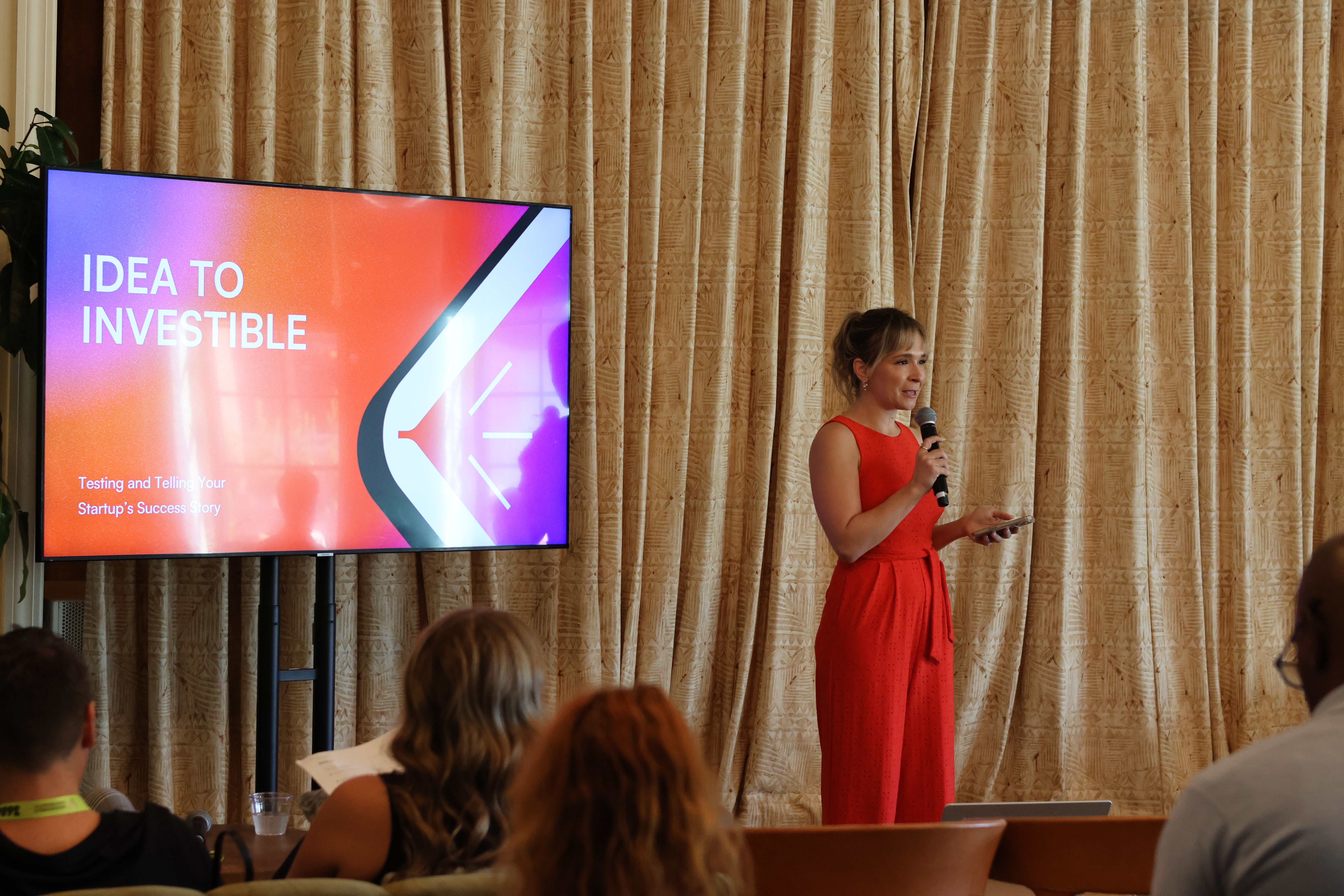
Compare Founder Coaching Formats Before You Buy
Founder coaching formats are not interchangeable because they solve different execution problems. An coach working online may provide focused feedback without the overhead of a large program, while a community format can expose you to patterns and accountability across several businesses. The right choice depends on the complexity of the decision, how quickly you need an answer, and whether you need individual context.
Group, 1-on-1, AI, and accelerator support
The choice between group coaching and 1-on-1 startup mentorship comes down to depth versus shared perspective. Group sessions work when founders benefit from seeing how peers frame pricing, growth, and hiring problems. 1-on-1 founder coaching is more appropriate when the conversation involves sensitive financial details, a difficult founder decision, or a specific fundraising narrative.
This comparison separates delivery models so you can match the format to the work in front of you.
Format | What you should receive | Useful for | Watch for |
|---|---|---|---|
AI coaching tools | On-demand prompts, templates, analysis, and execution support | Daily operating questions and draft review | Generic advice without company context |
Group coaching | Live sessions, peer discussion, feedback, and accountability | Recurring problems shared across founders | Limited time for individual issues |
1-on-1 coaching | Contextual review, direct challenge, and decision support | High-consequence strategic decisions | Unclear scope or no follow-through |
Accelerator programs | Curriculum, mentorship, cohort access, and milestone pressure; some programs also offer proof-of-concept support, incubation resources, funding guidance, pilot opportunities, and strategic growth connections | Structured company-building periods | Advice disconnected from your immediate bottleneck |
The Breakaway (8-week intensive) | Weekly live sessions, 3 private 1:1s, structured deliverables, no equity taken | Founders who need forcing-function accountability across offer, funnel, and acquisition simultaneously | Requires application and cohort availability (6 founders per cohort) |
Use formats together when possible: AI can speed up preparation, group sessions can stress-test thinking, and individual coaching can resolve the decisions that cannot be safely generalized.
Evaluate access, accountability, and investor support
Investor access is valuable only when it comes after disciplined preparation. Ask whether the program helps you build a target list, articulate the raise, document investor questions, track follow-up, and understand the distinction between a warm introduction and actual diligence. Programs with specialized mentor networks may offer access to Entrepreneurs-in-Residence, specialized mentors, entrepreneurial training, incubation resources, funding guidance, and commercialization support.
For exempt offerings, the SEC explains that Rule 506(b) limits sales to no more than 35 non-accredited investors during a 90-day period and prohibits general solicitation. Rule 504 permits offers and sales of up to $10 million of securities in a 12-month period and is often used for regional, multi-state offerings. Regulation Crowdfunding enables certain companies to offer and sell securities on an internet-based platform through a registered broker-dealer or registered funding portal. Exempt offering rules show why fundraising guidance must account for the requirements that apply to the chosen offering pathway.
How to Test a Program Before You Commit
Do not buy based on a polished landing page, a famous advisor, or a vague promise of growth. Ask what work you will complete in the first month, how feedback is delivered, which business inputs the coach reviews, and what happens when the original plan fails. Review founder coaching formats alongside a useful DIY founder guidance comparison to clarify whether you need outside accountability or simply need a system for applying knowledge you already have.
Ask for outputs, not inspirational claims
Request examples of the artifacts the program produces: a customer discovery plan, financial model review, investor pipeline, meeting agenda, pitch narrative, hiring decision framework, or growth experiment backlog. If the provider cannot describe the working outputs, the coaching may be difficult to evaluate after purchase.
Also ask how outcomes are measured. Revenue, capital raised, customer conversations, conversion improvement, and completed operating milestones can all be meaningful, but they must be tied to your stage and baseline. No responsible program can promise a funding result because investor decisions involve market conditions, traction, terms, and diligence beyond a coach’s control.
Use a tiered model when your needs change
A tiered offer can be practical when it clearly separates self-service tools, group access, and individual expertise. For example, Inpaceline combines an AI virtual C-suite for startups with financial and fundraising tools, while its Founders Round adds weekly live group coaching and personalized feedback. Its standalone sessions with Clay Banks provide a separate option for founders who need individual discussion around execution, product, growth, or fundraising.
Pricing should be transparent enough to evaluate against the expected output. Inpaceline lists its base OS subscription from $6.99 per month with a 7-day free trial and no credit card required, Founders Round at $249 per month, and standalone 1-on-1 sessions at $300 per hour. Those published tiers make it easier to choose the smallest level of support that addresses the current constraint.
Conclusion
Founder coaching earns its cost when it gives you better decisions, concrete work products, and a cadence that improves execution. Start by naming the bottleneck, then select AI support, group feedback, or individual coaching based on the level of context required. Review deliverables, accountability, fundraising boundaries, and pricing before you commit. For founders who want connected tools and coaching formats, Inpaceline provides an example of how self-service, group, and individual support can sit in one operating system.
For founders who need more than a tool subscription but aren't ready for a full accelerator, InPaceline also runs The Breakaway, an 8-week venture creation intensive for six founders per cohort. It takes no equity, replaces the group-coaching format above with weekly live sessions plus three private 1:1s with Clay Banks, and is built around one outcome: a validated offer, a live acquisition funnel, and real customer-acquisition data by week eight.
Fix your startup offer in 8 weeks. Apply now.
Frequently Asked Questions (FAQs)
What is the best way to coach founders?
The best way to coach founders is to combine a clear operating cadence with direct feedback on real decisions, because generic advice rarely resolves the specific constraints affecting an early-stage company’s customers, cash, team, product, or fundraising readiness.
Is there a structured 8-week program instead of ongoing coaching?
Yes. The Breakaway is InPaceline's 8-week venture creation intensive for six founders per cohort. It takes no equity and is built for founders who need a fixed timeline and forcing function rather than open-ended coaching, ending with a validated offer, a live funnel, and real acquisition data.
Is 1-on-1 founder coaching worth the investment?
1-on-1 founder coaching is worth the investment when a founder needs confidential, context-specific judgment on a consequential decision, and value depends on whether each session produces a clearer priority, deliverable, owner, or next action.
Why is early stage startup mentoring important?
Early stage startup mentoring is important because founders must make interconnected product, customer, finance, and hiring decisions before they have extensive internal expertise, making outside pattern recognition useful when paired with disciplined execution.
Can a virtual C-suite replace a human consultant?
A virtual C-suite cannot fully replace a human consultant because AI can accelerate analysis, planning, and draft creation, while experienced people still provide contextual judgment, challenge assumptions, and navigate sensitive interpersonal or strategic tradeoffs.
What should you look for in startup coaching Nashville?
When evaluating startup coaching options in Nashville, look for defined deliverables, relevant operator experience, clear availability, transparent pricing, and a process that connects local relationships or investor conversations to your company’s actual stage and immediate priorities.
How do business founder mentors in Nashville TN help early-stage founders?
Business mentors for founders in Nashville, TN, help early-stage founders by offering perspective on execution decisions and, where available, relevant connections, but founders should evaluate each relationship by the practical guidance and accountability it produces rather than location alone.
About the Author
Clay Banks is an 8-time founder, startup growth advisor, and operator with more than 23 years of experience across hardware, software, ecommerce, and consumer brands. His work focuses on helping early-stage founders move from idea to traction through practical execution, financial discipline, product development, and fundraising preparation.