Founder Burnout Is the #1 Reason Startups Fail — Here's How to Spot It Early
Introduction
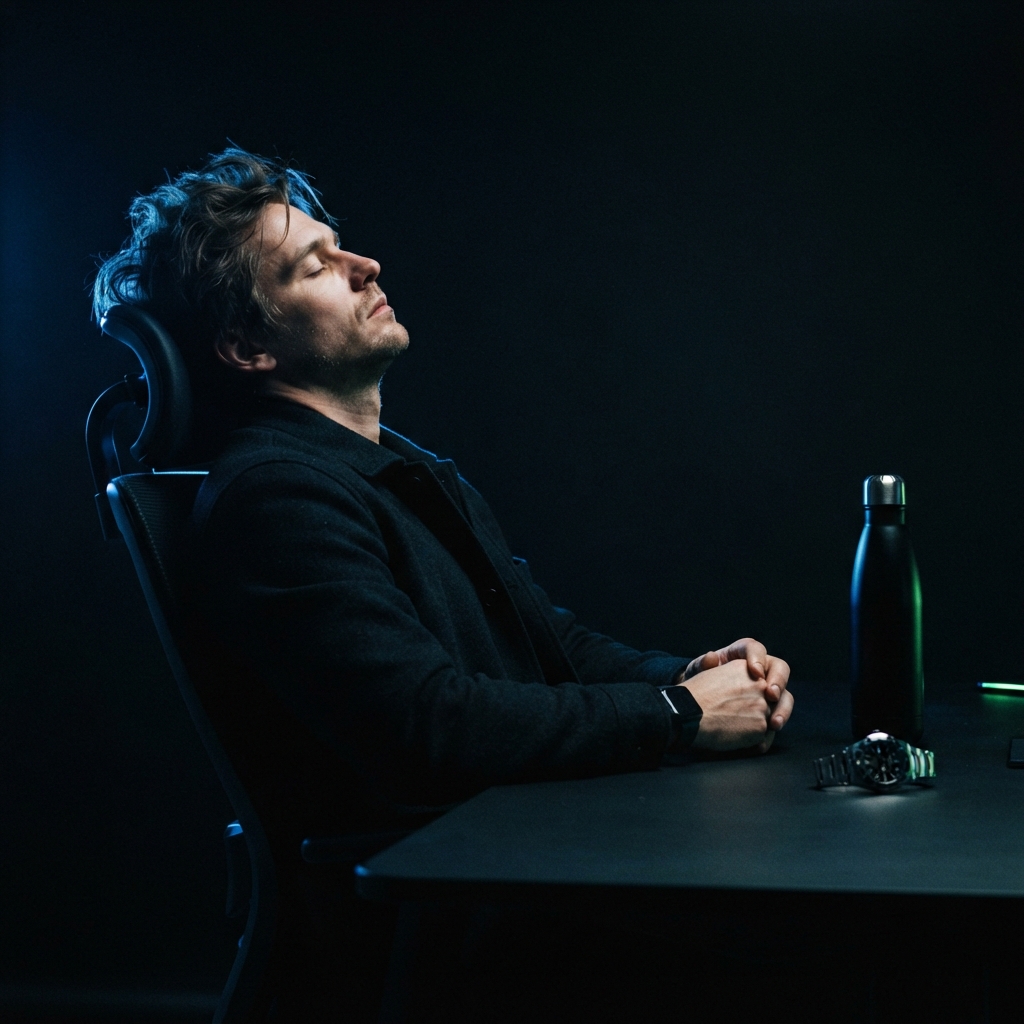
Founder burnout kills more startups than bad products, weak markets, or missed funding rounds. It works quietly, eroding judgment weeks before it shows up on a P&L or a board deck. Recent data shows 41% of burned-out founders miss funding rounds due to impaired decision-making, and productivity drops by roughly 23% before most founders admit anything is wrong. The pattern is consistent: the founder breaks first, then the company follows. Catching the early signals is not a wellness exercise, it is a survival strategy.
Key Takeaways:
Founder burnout is a measurable business risk, not a soft topic, and it distorts fundraising judgment before revenue signals shift.
The earliest warning signs are behavioral and cognitive, not physical, and usually appear months before collapse.
Structured support like coaching, peer community, and AI operational tools reduces mental load faster than willpower alone.
Why Founder Burnout Hits Different
Startup burnout is not the same as employee burnout. Founders carry payroll anxiety, investor expectations, product bets, and identity fusion with the company, often on top of personal financial exposure. That combination is why entrepreneur burnout symptoms compound faster and hide longer than in traditional roles.
The Root Causes Nobody Warns You About
The same traits that make someone a strong founder, high risk tolerance, novelty-seeking, obsessive drive, are the same traits that burn them out without proper structure. Founder burnout is rarely about laziness or weakness. It is structural.
Fundraising pressure: Constant pitching, rejection cycles, and dilution math create sustained cortisol spikes that most founders normalize.
Isolation: You cannot vent to your team, your investors, or often your spouse without consequences, so problems compound in your head.
Financial exposure: Personal guarantees, deferred salary, and runway math make every decision feel like a survival call.
Identity fusion: When you are the company, a bad product week feels like a personal failure, not a business signal.
No off switch: Unlike a job, there is no manager telling you to log off, and no clear line between rest and neglect.
The Silent Version Most Founders Miss
A 2025 CEREVITY survey found 73% of California tech founders experience "shadow burnout," persistent exhaustion and cynicism hidden behind continued high performance. That is the dangerous version. You are still shipping, still closing, still showing up, but your judgment has quietly degraded. It often gets mistaken for something else entirely, which is why understanding founder burnout vs boredom matters before you self-diagnose.
Spotting the Early Warning Signs
Startup founder mental health rarely collapses overnight. It erodes across three domains, physical, emotional, and behavioral, usually in that order of severity but reverse order of visibility. You will notice the behavioral shifts first if you know what to look for.
The Three-Domain Symptom Check
Run this check on yourself, and on your co-founder, monthly. If you hit three or more across two domains, you are already deep into the burnout curve, not approaching it. This is where recognize and recover from burnout becomes a real operating priority, not a nice-to-have.
Domain | Early Signal | What It Looks Like in Practice |
|---|---|---|
Physical | Disrupted sleep, tension headaches, appetite shifts | Waking at 3am with Slack anxiety, skipping meals, chronic low energy |
Emotional | Cynicism, detachment, irritability | Snapping at your team, feeling nothing after a win, dreading investor calls |
Behavioral | Avoidance, procrastination on high-stakes work | Delaying pitch prep, skipping 1:1s, drifting to busywork |
Cognitive | Poor prioritization, decision fatigue | Rewriting the same email six times, freezing on hiring calls |
Social | Withdrawal from peers and advisors | Ghosting your founder network, canceling coffee chats, isolating from your co-founder |
The behavioral and cognitive rows are the leading indicators. If you are avoiding your highest-leverage work and cannot tell why, that is the signal. Confusing it with self-doubt is common, which is why some founders misread burnout as founder imposter syndrome and try to push harder instead of pulling back.
The Fundraising Judgment Test
Here is a sharper test if you are mid-raise. Ask yourself: am I taking meetings I would have declined six months ago? Am I softening terms I would have held? Am I responding to investor emails from a place of fear instead of clarity? Burnout shows up first in impaired judgment and business outcomes, not in your calendar. Avoiding entrepreneur burnout while fundraising starts with noticing when your standards start slipping.
Choosing Your Support System
Preventing founder fatigue is not about meditation apps. It is about reducing the total cognitive load you carry alone. That means offloading operational thinking, adding accountability, and building a support layer before you need one. The question is which layer fits your stage and budget.
Coaching vs Community vs Self-Guided
Most founders default to self-guided because it is free, then wonder why nothing changes. Structured support works because it externalizes the pressure. Comparing the three main paths side by side clarifies where to invest first, and this is a useful lens whether you are weighing founder coaching vs accelerators or a lighter peer group.
Approach | Best For | Typical Cost | Main Tradeoff |
|---|---|---|---|
1:1 Founder Coaching | Founders mid-raise or scaling past product-market fit | $200-$500/hour | High impact, high cost, depends heavily on coach fit |
Peer Community / Group Coaching | Founders needing accountability and shared context | $50-$300/month | Lower cost, less personalized, quality varies by cohort |
AI Operational Tools | Reducing daily decision load and busywork | $7-$50/month | Great for execution offload, not a substitute for human perspective |
Self-Guided (books, podcasts) | Awareness-building, not intervention | Free-$30/month | No accountability, easy to abandon under pressure |
Nashville In-Person Community | Founders needing local network and unstructured peer time | Free-$200/event | Location-dependent, harder to scale to weekly rhythm |
The right stack is usually two layers, not one. AI tools handle execution load, a coach or peer group handles the human side. Inpaceline was built around exactly this stack, an AI virtual C-suite plus optional group coaching, because most founders cannot afford $300/hour weekly, but they can afford the mental cost of trying to run everything themselves.
Nashville-Specific Resources
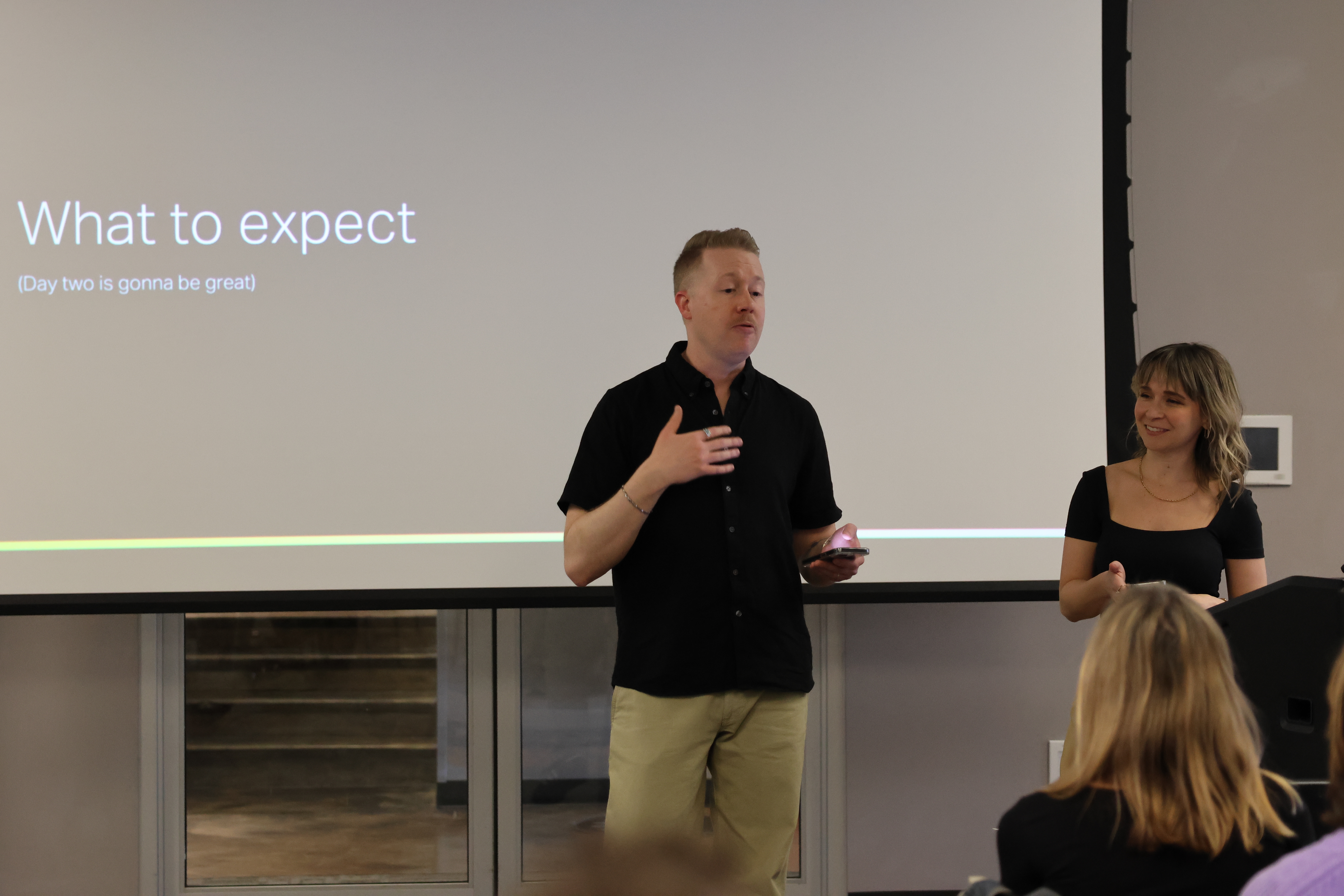
If you are building in Nashville, the local ecosystem is stronger than most founders realize. The Nashville Entrepreneur Center runs founder cohorts, Project Music and Project Healthcare host focused peer groups, and there are regular founder meetups where startup founder support in Nashville looks less like formal therapy and more like honest coffee. For local founders wanting a structured version, Inpaceline runs founder-first coaching and community from Nashville, blending AI tools with weekly live sessions.
Building a Recovery Plan That Actually Sticks
Founder burnout recovery strategies fail when they treat symptoms in isolation. Sleep more, meditate more, take a weekend. None of it holds if the underlying operational load stays the same. Real recovery is structural, not motivational.
The 30-Day Reset Framework
Start with a two-week audit. Track where your hours actually go, and mark every task as either high-leverage, delegatable, or automatable. Most founders find 40-60% of their week is work that should not be on their plate, which is why founder time management strategies matter more than more coffee. Then rebuild the next two weeks with three rules: one non-negotiable off-day, three deep-work blocks weekly, and one accountability check-in with a coach or peer. The Mercury team's guidance on catching early warning signs pairs well with this reset, especially the emphasis on sustainable rhythm over heroic sprints.
When to Escalate Beyond Self-Help
If sleep has been disrupted for more than three weeks, if you are drinking more, if you have lost interest in outcomes you cared about six months ago, that is the escalation point. Talk to a therapist, not just a coach. Coaches optimize performance. Therapists treat the underlying wiring. You need both if you are past shadow burnout, and there is no prize for skipping the harder call.
Conclusion
Founder burnout is a business risk with a body count, not a personal weakness. The founders who last are not the ones who grind hardest, they are the ones who build early warning systems, structured support, and honest peer relationships before the wall shows up. Scan the three symptom domains monthly, audit your calendar quarterly, and stack the right support layer for your stage. If you are in Nashville, the local community makes this easier than most cities, and if you are not, tools and coaching can close the gap. The startup you are trying to save is the one on the other side of the conversation you keep avoiding.
Frequently Asked Questions (FAQs)
What are the signs of startup founder burnout?
The earliest signs are behavioral and cognitive, including avoidance of high-stakes work, decision fatigue, cynicism, and social withdrawal, usually appearing weeks before physical symptoms.
Why do most startup founders experience burnout?
The same traits that drive founder success, ambition, risk tolerance, and identity fusion with the company, create structural vulnerability when combined with fundraising pressure, isolation, and financial exposure.
How do you manage fundraising stress as a founder?
Build a repeatable pitch process, batch investor updates weekly, and use accountability partners or coaches to pressure-test your judgment before you soften terms out of exhaustion.
Is founder burnout common in early-stage startups?
Yes, with recent surveys showing over 70% of tech founders experience some form of shadow burnout while continuing to perform, making it far more common than most founders admit publicly.
Is professional startup coaching worth the cost for mental health?
Coaching is worth it when you need accountability and strategic clarity, but for clinical burnout symptoms like chronic insomnia or emotional numbness, a licensed therapist is the correct escalation.
How can you scale a business without sacrificing your health?
Offload execution load through AI tools and hires, protect three deep-work blocks weekly, and build one recurring accountability rhythm so scaling pressure does not compound in isolation.
Are there founder burnout workshops in Nashville?
Yes, the Nashville Entrepreneur Center, local founder meetups, and platforms like Inpaceline run structured sessions and peer cohorts focused on founder wellbeing and sustainable growth.