
Business Advisory Services for Startups: What Founders Get
Quick Answer
Business advisory services give startups practical help with fundraising, financial decisions, growth priorities, and operating discipline. The right service produces usable outputs, such as a fundraising process, a working financial model, sharper positioning, and accountable next actions, not generic advice.
Introduction
Founders use business advisory services when the company needs experienced direction before it can justify a full executive bench or a costly consulting engagement. Good advisors turn uncertain decisions into work the team can execute this week: identify the customer, protect cash, prepare for investors, and fix the biggest constraint. Startup consulting services should meet the business where it is, whether that means validating an offer, creating a credible plan, or preparing a fundraise. Advice without an owner, a deadline, and a measurable decision usually dies in a document.
Key Takeaways:
Demand tangible deliverables that help the team make and execute decisions.
Use financial and fundraising guidance to reduce avoidable surprises.
Choose support that combines fast access with context about your actual business.
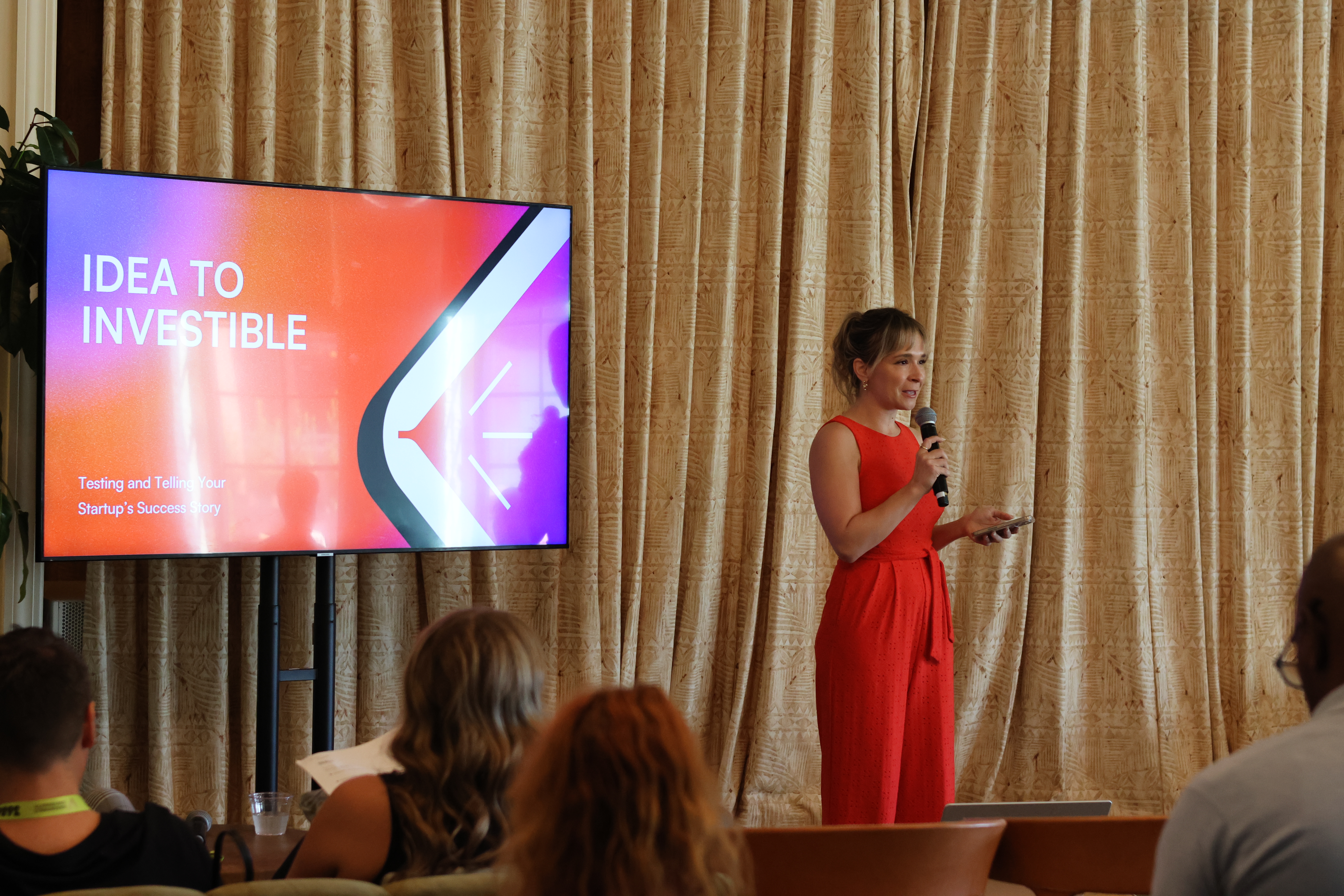
Start With Deliverables That Move the Company
Advisory work earns its place when it changes a founder’s next decision. Before signing up for any provider, define the company’s immediate constraint: cash visibility, investor readiness, customer acquisition, product focus, or team execution. That keeps business growth consulting tied to operating reality rather than a collection of disconnected sessions.
Demand a Clear Fundraising and Finance Operating System
Fundraising support should create an organized process, while financial consulting for startups should make tradeoffs visible before cash becomes urgent. A useful advisor helps founders pressure-test the story, build assumptions that can be explained, and maintain a follow-up cadence with prospective investors.
Fundraising narrative: A concise explanation of the problem, solution, market, traction, and use of capital.
Investor pipeline: A structured list of relevant investors, contact history, next steps, and relationship context.
Financial model: Revenue, expense, cash, and growth assumptions that the founder can update as evidence changes.
Runway decisions: Clear choices about hiring, spend, pricing, and milestones based on available capital.
Pitch feedback: Specific revisions that make each slide answer an investor question more directly.
Use Strategy Advice to Make Fewer, Better Bets
Strategic business coaching should force prioritization. An advisor who understands the company can challenge a weak channel, narrow an unfocused customer segment, or stop a feature project that will not improve retention. When considering an consulting vs DIY guidance approach, weigh the cost of fragmented research against the value of an outside perspective that connects decisions across the business.

Choose the Advisory Model That Fits the Stage
Different advisory models solve different problems. A founder needs access to judgment, frameworks, and execution support, but the right mix depends on the company’s urgency, budget, and ability to act on the guidance. business planning resources can establish fundamentals, but startups also need advice that evolves as customer evidence, cash position, and fundraising goals change.
Compare Coaching, Consultants, and AI-Enabled Platforms
Human advisors bring experience and accountability, while AI tools make structured guidance available between meetings. The strongest choice is usually the model that gives the team enough context, speed, and follow-through to turn advice into operating work.
This comparison shows what founders should expect from each path.
Advisory model | Best use | What you receive | Main tradeoff |
|---|---|---|---|
Solo coach | High-stakes founder decisions | Direct feedback and accountability | Access is limited by meeting time |
Traditional consultant | Defined strategic projects | Research, recommendations, and project support | Often slower and less available between engagements |
DIY resources | Learning a narrow skill | Templates, articles, and courses | Founder must create the operating system alone |
AI-enabled platform | Recurring startup execution | Tools, frameworks, on-demand guidance, and optional coaching | Works best when the founder supplies accurate context |
AI-powered advisory vs human consultants is not an either-or decision. Use AI for fast analysis and repeatable workflows, then use human coaching for judgment calls, relationships, and accountability when the stakes rise.
An AI versus human advisors comparison should focus on the work that happens between calls. If a platform cannot support financial review, messaging revisions, and operational choices in real time, it may simply become another unused resource.
Build a Virtual Executive Bench Around Real Decisions
Virtual CFO services for startups can help founders test cash assumptions and understand the impact of spending choices, while marketing and operations guidance can turn goals into campaigns and repeatable processes. A virtual C-suite for founders is most useful when each recommendation connects to the company’s current goals, customer evidence, and operating constraints.
AI business advisor explained content matters because founders need to know where automation adds value. AI can accelerate research, challenge assumptions, organize investor information, and draft first passes, but the founder still owns the decision and the relationship.
Evaluate Whether the Advice Produces Traction
Choose a provider based on outputs, not polished language. Ask to see the tools, frameworks, feedback process, and cadence that convert guidance into execution. Founders looking for a right startup consulting firm should also ask what happens after the initial recommendation: who revisits the assumption, tracks the next action, and adjusts the plan when the market responds differently.
Use Mentorship for Judgment, Not Dependency
Mentorship works when it improves the founder’s decision-making rather than creating reliance on a single expert. business mentor programs can offer confidential guidance, while development centers can provide local advisory support and practical connections. The founder should arrive with a specific decision, relevant facts, and a clear request for feedback.
Founding team coaching and mentorship also helps prevent co-founder misalignment from becoming an execution problem. Use it to define ownership, establish decision rights, and surface disagreements while they can still be resolved without slowing the company.
Look for an Integrated Fundraising Workflow
Capital raising advisory for tech startups should include more than deck comments. It should help founders identify fit, track investor conversations, prepare answers to diligence questions, and maintain momentum after each meeting. Inpaceline combines a Fundraising Command Center, Financial Intelligence Suite, founder resources, and AI guidance so the team can keep those activities connected rather than rebuilding the process in separate tools.
An investor CRM is valuable because it records relationship history, prevents missed follow-ups, and shows which conversations need action. For founders seeking local support, small business advisory services may also provide useful coaching and planning support through development programs.
Conclusion
Business advisory services should leave founders with clearer decisions and assets they can use immediately. Expect a financial view of the business, a disciplined fundraising process, focused strategic choices, and coaching that improves execution. Inpaceline can be a practical fit for early-stage teams that want AI-enabled tools alongside structured founder guidance. Pick the service that helps the company act faster without replacing founder ownership.
Frequently Asked Questions (FAQs)
Why should early-stage startups use advisory services?
Early-stage startups should use advisory services when they need specialized judgment on priorities, capital, customers, or operations without adding a permanent executive hire, because outside guidance can expose blind spots before they become expensive commitments.
Is it worth paying for startup business coaching?
Paying for startup business coaching is worth it when the coach helps resolve a real decision, strengthens founder accountability, and provides relevant operating experience, rather than offering broad encouragement or generic business theory.
How does an AI virtual C-suite help startups?
An AI virtual C-suite helps startups by providing on-demand prompts and structured analysis across finance, marketing, and operations, which can shorten the time between identifying a problem and producing a workable first response.
Can AI replace traditional startup business consultants?
AI cannot fully replace traditional startup business consultants because complex decisions, negotiations, and investor relationships still require human judgment, but it can reduce the routine research and planning work that consumes founder time.
What are the benefits of using an investor CRM?
The benefits of using an investor CRM include cleaner records of conversations, consistent follow-up, better preparation for investor questions, and a visible pipeline that helps a fundraising team manage relationships with discipline.
How to scale a business from 0 to 1M in revenue?
Scaling a business from 0 to 1M in revenue requires a repeatable customer acquisition path, a clear retention plan, controlled spending, and regular review of the assumptions that connect product demand to operational capacity.
About the Author
Clay Banks is an 8x founder, startup growth advisor, and operator with more than 23 years of experience building hardware and software companies. His work centers on startup execution, fundraising, product development, growth strategy, pitch clarity, ecommerce scaling, and founder coaching.