
Breakaway vs. Startup Accelerators: Which Is Right for You?
Quick Answer
Choose a traditional accelerator when a fixed cohort, concentrated investor access, and an equity trade are necessary for your next milestone. Choose Breakaway when you need ongoing startup support, fundraising systems, and coaching without a fixed cohort schedule or immediate equity dilution.
Introduction
Startup accelerators can compress learning and open investor conversations, but the model also asks founders to operate on someone else's calendar. A startup accelerator program may involve an application process, a cohort schedule, and an ownership trade before your operating model is fully proven. Breakaway takes a different path by pairing on-demand AI tools with founder guidance so execution can continue alongside customer work. The costly mistake is treating access to advice as interchangeable with a system that helps you act on it.
Key Takeaways:
Accelerators trade structure and investor exposure for time, control, and often equity.
Breakaway supports founders who need flexible execution and fundraising infrastructure.
Compare the operating commitment before accepting capital or joining a cohort.
Startup Accelerators: What You Trade for Structure
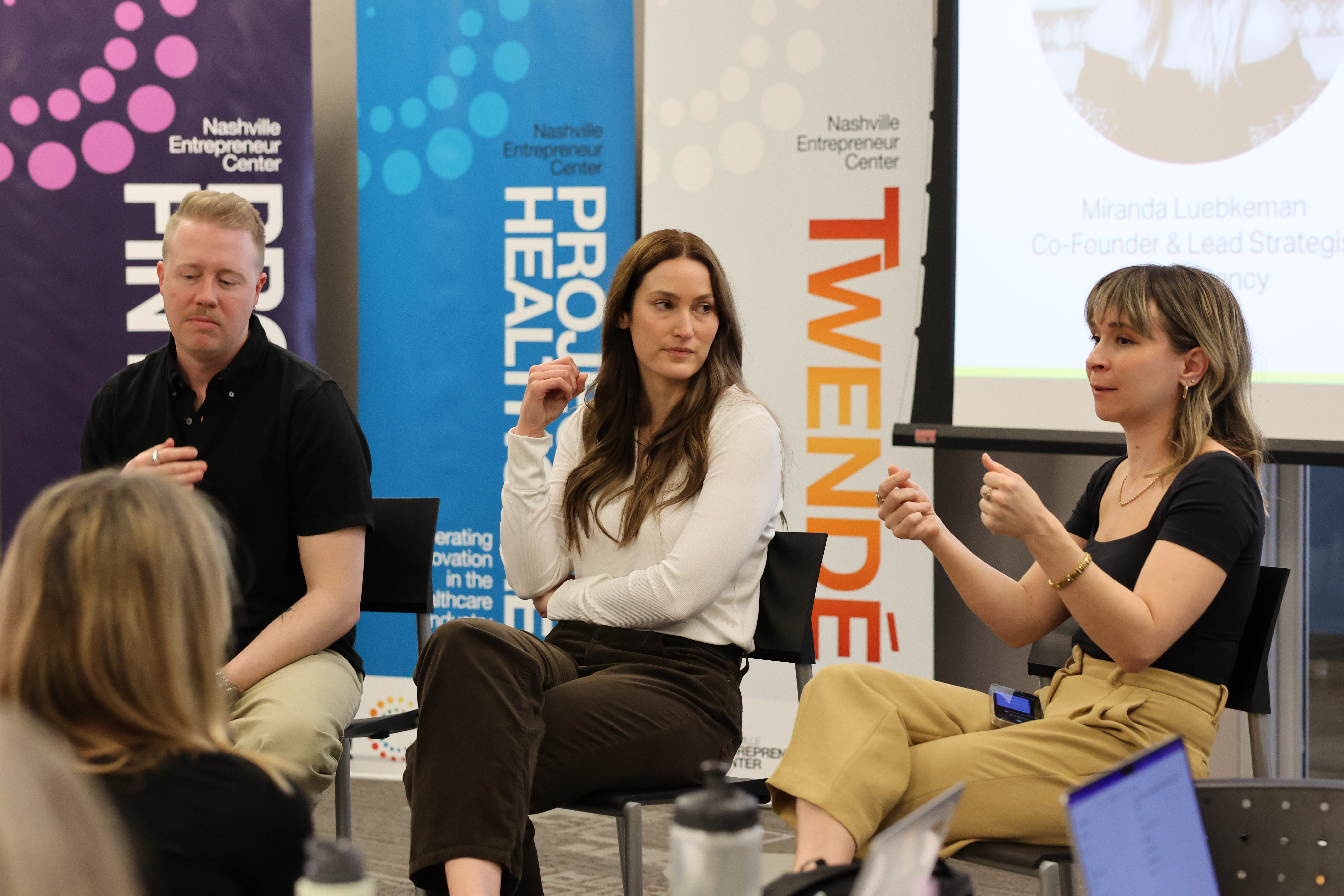
Traditional startup accelerators are time-bound programs built around a shared cohort, mentor access, programming, and a culminating investor event. The value can be real when the program's network matches your market, but founders must evaluate the accelerator program pros and cons against the ownership, pace, and operating constraints their company can absorb.
What a cohort program can provide
Cohort programs can create accountability and bring founders into frequent contact with peers, advisors, and investors. Research cited in an analysis of accelerator outcomes found accelerated startups were 3.4% more likely to receive venture capital and raised $1.8 million more capital on average, although those results do not guarantee an outcome for any individual company.
Cadence: Fixed deadlines force weekly decisions and visible progress.
Network: Cohorts create peer feedback and curated introductions.
Capital: Some programs provide investment alongside programming.
Demo day: A shared event concentrates investor outreach.
Equity, timing, and operating tradeoffs
Ownership is the trade founders should model before accepting a place. Techstars invests up to $120,000 and purchases rights to 6% of fully diluted capital stock at qualified financing, while Y Combinator invests $500,000 through two SAFEs, including $125,000 for 7%; these accelerator equity costs affect future fundraising before a founder has priced the next round.
Breakaway vs. a Startup Accelerator Program
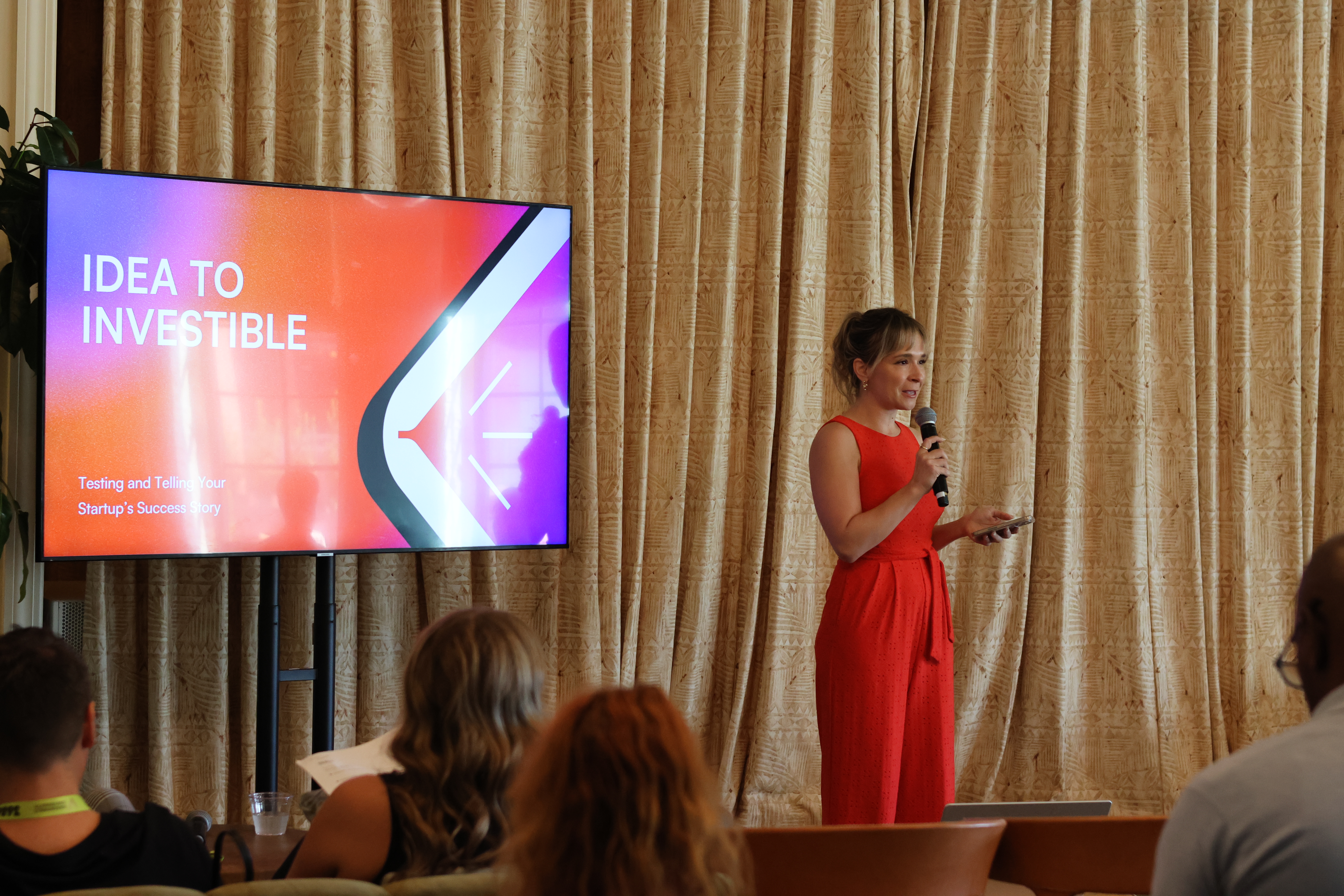
Breakaway and cohort accelerators are different operating models, not simply different brands of the same service. A cohort gives founders a prescribed sprint, while a founder coaching platform lets them build a recurring execution rhythm around product delivery, customer discovery, and fundraising.
Side-by-side operating comparison
The practical question is not whether mentorship has value. It is whether your company needs a concentrated, externally scheduled program or a toolset that remains available as priorities change.
Decision factor | Traditional accelerator | The Breakaway |
|---|---|---|
Operating format | Fixed cohort, 3–6 months, scheduled programming | 8 weeks, 6 founders, one operator |
Equity model | May exchange equity for investment and access | No equity taken |
Group size | 50–250 per batch | 6 seats, application only |
What you leave with | Pitch deck and demo day performance | Tested offer, live funnel, real CAC number |
Accountability | Cohort-wide | Weekly hot seats and 3 private 1:1s with Clay |
Cost | Equity plus time commitment | $3,997, no ownership |
Inpaceline starts at $6.99 per month for the InPaceline OS, including a 7-day free trial with no credit card required. Its Founders Round tier is $249 per month for weekly live group coaching, community access, and personalized feedback, while standalone coaching with Clay Banks is $300 per hour.
How the decision changes by startup stage
Use an accelerator when you can clearly name the introductions, capital path, or market knowledge the program can unlock, and when your team can commit to its schedule. Use Inpaceline when your immediate need is a repeatable fundraising and operating system that fits active customer work, especially if you want AI CMO, CFO, and COO guidance plus pitch-deck feedback between coaching conversations.
Choosing Support Without Pausing Execution
Founders often confuse momentum with activity. A business accelerator program can keep a team busy with sessions and mentor calls, but real progress comes from a tighter loop: identify a bottleneck, decide what changes, assign the work, measure the result, and repeat.
Build the funding process before you need capital
Raising capital for a startup starts with financial clarity, a credible narrative, and a trackable investor process. Inpaceline's Fundraising Command Center is designed around that work, combining an investor CRM, investor lists, communication tools, and a database for common investor questions so founders can manage follow-up rather than rely on memory.
Team composition also changes fundraising capacity. A study of Y Combinator companies found each additional co-founder was associated with approximately 21% more capital raised, which is a useful signal to examine workload coverage and decision ownership before treating an accelerator application as the solution.
Use accelerator alternatives when the program format does not fit
University entrepreneurship programs can offer another path: University incubators can provide longer-term space, resources, and mentorship for early-stage experimentation and development. Resources such as specialized entrepreneurial support and university incubator programs may help founders access guidance without assuming every company needs the same cohort format.
Conclusion
Startup accelerators are worth considering when their capital, network, and fixed operating model directly solve a defined constraint. Breakaway is a better fit for founders who need flexible, continuous execution support without committing equity simply to access frameworks, investor workflow tools, and coaching. The right decision starts with a hard look at your current bottleneck: capital access, execution discipline, customer traction, or financial planning. For founders building those systems alongside the business, Inpaceline provides an AI-powered operating environment with optional human support.
Fix your startup offer in 8 weeks. Apply now.
Frequently Asked Questions (FAQs)
What is a startup accelerator program?
A startup accelerator program is a structured, time-limited cohort that typically combines mentorship, programming, peer accountability, investor exposure, and sometimes capital in exchange for a defined commitment from selected founders.
How do I join startup accelerator programs?
To join a top startup accelerator, founders usually submit an application that explains the problem, product, traction, team, market, and fundraising needs, then prepare for interviews that test clarity, speed, and founder-market understanding.
Why should a founder join an accelerator?
A founder should join an accelerator when the program provides a specific network, investment path, market expertise, or accountability structure that the company cannot efficiently build through its existing team and advisors.
Is a startup accelerator worth the investment?
A startup accelerator is worth the investment only when the expected access and execution gains justify the equity, time commitment, scheduling limits, and potential distraction from customer-facing work.
What are the benefits of startup coaching?
The benefits of startup coaching include faster decision review, practical accountability, clearer priorities, and feedback tailored to the company's current product, growth, financial, or fundraising bottleneck rather than a standardized cohort curriculum.
What is the difference between a startup accelerator and an incubator?
A startup accelerator usually runs a fixed, intensive cohort with a defined finish, while an incubator generally provides longer-term support, workspace, mentorship, or resources as a company develops its product and operating foundations.
About the Author
Clay Banks is an 8-time founder, startup growth advisor, and operator with more than 23 years of experience across hardware, software, ecommerce, fundraising, and product execution. He has raised more than $5M in capital, holds three patents, and built Inpaceline to give early-stage founders practical systems for traction and fundraising.