
Best AI Strategic Advisor for Solo Founders in 2026 (And When You Still Need a Human)
Introduction
The best AI strategic advisor for a solo founder in 2026 is one that acts like a virtual C-suite: an AI CFO watching your runway, an AI CMO shaping your go-to-market, and an AI COO tightening your ops. That combo now costs less per month than a decent lunch, which is why solo founders are quietly replacing entire advisory boards with software. But here's the honest part most vendors won't tell you. AI is brilliant at frameworks and terrible at reading the room during a term sheet negotiation, and knowing the difference is what separates founders who scale from founders who stall.
Key Takeaways:
An AI strategic advisor for startups works best when it handles frameworks, modeling, and repeatable strategy while you handle judgment calls.
A virtual C-suite (AI CFO, CMO, COO) covers 80% of daily founder decisions, but high-stakes moments still need a human in the loop.
Platforms like InPaceline OS pair AI tools with structured playbooks and optional human coaching so solo founders don't have to choose one or the other.
What an AI Strategic Advisor Actually Does for a Solo Founder
Think of an AI advisor versus human advisor as two different tools in the same toolbox. The AI side gives you speed, structure, and a second brain that never sleeps. A solo founder without a co-founder can now stress-test decisions at 11 p.m. instead of waiting for a Thursday advisor call.
The Virtual C-Suite Breakdown
An AI-powered virtual C-suite for founders usually clusters around three roles, each solving a specific gap. Solo founders lean on these to replicate the classic three-person co-founder split without the equity dilution or hiring headaches, a shift widely covered across startup communities.
AI CFO: Handles runway management, scenario modeling, and burn tracking so you catch cash issues before they become emergencies.
AI CMO: Builds go-to-market plans, channel tests, and positioning drafts for early stage startups without a marketing hire.
AI COO: Maps workflows, SOPs, and hiring plans so operations don't collapse when growth hits.
AI Pitch Analyzer: Scores your deck slide by slide against proven fundraising frameworks.
Knowledge base: Answers ad-hoc questions using startup best practices instead of random Reddit threads.
Where AI Genuinely Wins
The clearest wins show up in repeatable, framework-driven work. An AI CFO financial guidance tool can rebuild your model in minutes when assumptions shift, something a fractional CFO would bill three hours for. Same story for GTM: an AI CMO for go-to-market planning can draft ICPs, positioning, and channel tests before your coffee cools. The rise of solo founders scaling without teams is directly tied to this shift.
Comparing the Options: AI Platforms, Human Coaches, and Hybrids
Not every solo founder needs the same setup. Some are pre-revenue and need frameworks. Others are mid-raise and need a human who has actually closed a round. The mix matters more than the label.
Side-by-Side Comparison
Here's how the three main options stack up for a typical solo founder deciding where to spend their limited budget in 2026.
Option | Best For | Typical Cost | Main Weakness |
|---|---|---|---|
Standalone AI tools | Quick tasks, drafts, single-function help | $20-$100/month | No connective tissue between tools |
AI business growth platform (bundled) | Solo founders needing full C-suite coverage | $7-$250/month | Still can't negotiate for you |
Human fractional exec | Specific deep expertise, part-time | $3K-$10K/month | Expensive, limited hours, slower turnaround |
1-on-1 founder coach | Judgment calls, mindset, relationships | $200-$500/hour | Not built for daily execution work |
Hybrid (AI + coaching tier) | Founders scaling from $0 to $1M | $50-$300/month | Requires you to actually use both |
The takeaway: bundled platforms win on cost and coverage, but hybrids win on outcomes. InPaceline OS sits in that hybrid lane, packaging the AI virtual C-suite with optional human coaching so founders can scale up or down without switching tools. You can dig deeper into the tradeoffs in this look at consulting versus self-directed guidance.
Where AI Advisory Hits Its Ceiling
AI is fast, but it doesn't have skin in the game. It won't call you out for avoiding a hard conversation with your biggest customer, and it can't sense that your lead investor is stalling because they're actually running their own fund crisis. Independent testing of AI co-founder tools consistently flags the accountability gap as the real limitation. This is where a startup coach versus consultant conversation matters, and where 1-on-1 sessions with Clay Banks or the Founders Round tier at Inpaceline earn their spot.
How to Decide Which Mix You Need
The right answer depends less on your industry and more on your current bottleneck. If you can't ship, you don't need a coach, you need execution frameworks. If you can ship but can't raise, you need pitch help and investor prep. If you can raise but can't hold your nerve in the room, you need a human.
Use Cases That Map to Real Founder Stages
A useful way to think about it: match the tool to the decision, not the decision to the tool. Solo founders who nail this stop wasting money on advisors they don't yet need. For fundraising specifically, pairing an AI pitch analyzer with fundraising strategy with AI covers most of what a $5K/month consultant used to do, backed by data on how startups now use AI.
When to Bring in a Human
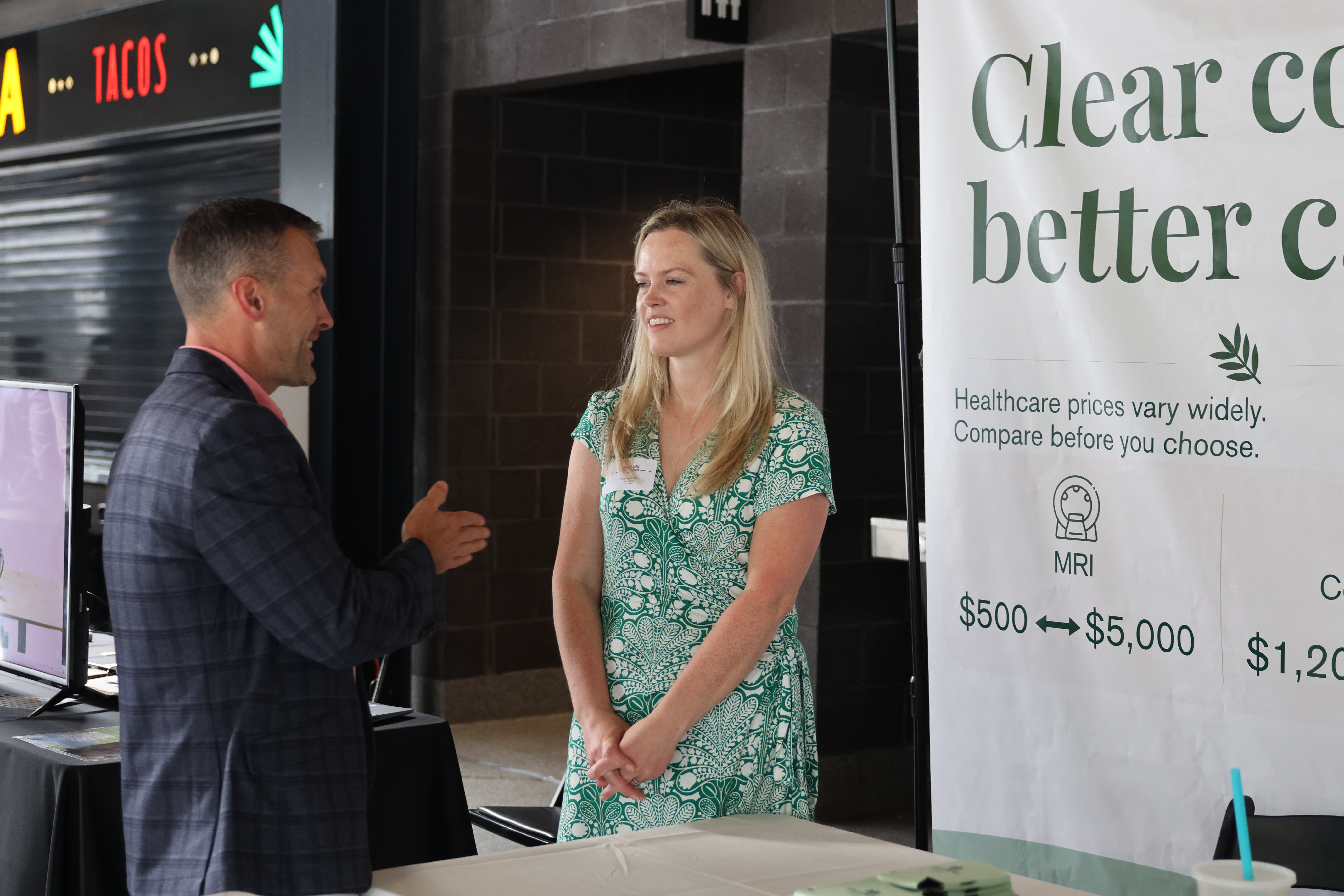
Some situations still demand a human across the table. High-stakes negotiations, co-founder disputes, mental load during a down round, or navigating a warm intro to a strategic investor all sit outside what AI does well. That's when 1-on-1 coaching or a small group tier (like Founders Round) becomes worth the spend, because the value is emotional bandwidth and pattern recognition, not another document.
Conclusion
Solo founders in 2026 don't have to choose between expensive human advisors and going it alone. The smartest move is to let AI handle the repeatable strategy work (runway models, GTM drafts, pitch scoring, ops mapping) and reserve human coaching for the moments where judgment, relationships, and stakes are highest. Platforms that combine both, like InPaceline OS, make that split easy without forcing you into a $10K/month commitment. Audit your current bottleneck honestly, pick the mix that solves it, and revisit the setup every quarter as you scale. That's how solo founders punch above their weight without burning out or burning cash.
Frequently Asked Questions (FAQs)
How can an AI strategic advisor help my startup?
It gives you on-demand access to CFO, CMO, and COO-level thinking so you can model runway, plan go-to-market, and structure operations without hiring a full executive team.
Can AI replace a fractional CFO for early stage founders?
For most pre-Series A founders, an AI CFO covers runway tracking, scenario modeling, and burn analysis at a fraction of the cost, though complex tax structuring and board-level finance conversations still need a human.
Does my startup need a virtual C-suite?
If you're a solo founder making cross-functional decisions daily without a co-founder to challenge you, a virtual C-suite fills that sanity-check gap for under $10 a month.
Is it worth using AI for business strategic planning?
Yes, especially for framework-driven work like GTM plans, financial models, and pitch decks, where AI delivers structured output in minutes instead of weeks.
Human coaching vs AI strategic advisory for startups: which wins?
Neither wins outright, because AI excels at speed and structure while human coaches excel at judgment and accountability, so the strongest founders use both.
What is the InPaceline OS platform?
InPaceline OS is an AI business growth platform built by Clay Banks that bundles a Fundraising Command Center, Financial Intelligence Suite, AI virtual C-suite, and pitch analyzer starting at $6.99 per month.
How can Clay Banks at Inpaceline help my startup scale?
Clay offers 1-on-1 coaching sessions and the Founders Round tier for founders who need human guidance on fundraising, pitch clarity, and high-stakes decisions that AI can't fully handle alone.